














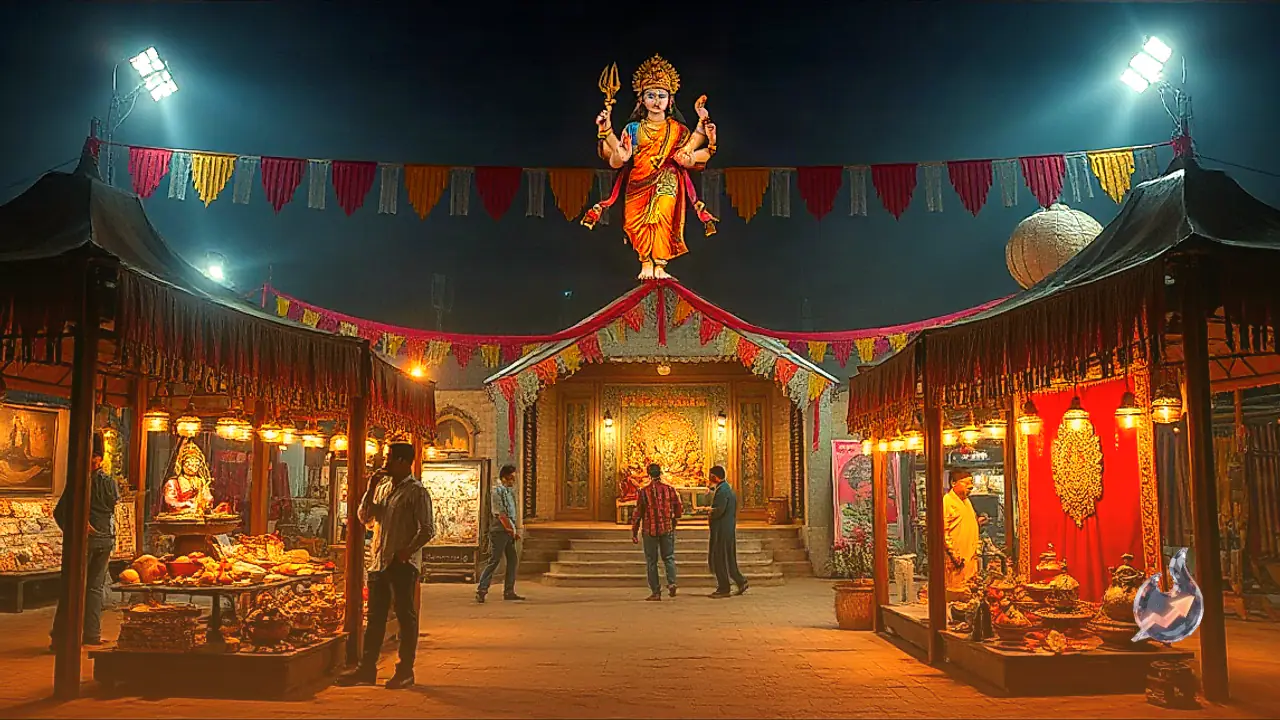

A spectacular display of Jharkhand's rich tribal heritage has taken center stage in Jamshedpur, where a prominent cultural hub has transformed itself to celebrate the essence of nature and faith. The Johar Haat, situated within Prakriti Vihar in the Kadma locality of Jamshedpur, is currently hosting a special exhibition themed entirely around the traditional folk festival of Karma Puja. This festive setup offers visitors a unique window into the indigenous lifestyle, beliefs, and artistic expressions of the tribal communities of the region.
A Showcase of Traditional Crafts and Tribal Attire
Inside the decorated venue, organizers have curated a wide array of exhibits that celebrate the daily life and festive customs of local tribes. Visitors can explore a diverse collection of traditional tribal garments, ornamental accessories, and various items historically used in community rituals. A major highlight of the exhibition is the array of eco-friendly home decor items crafted meticulously from bamboo. These include beautifully woven bamboo baskets, decorative hangings, and household utility items. These artisanal products represent a perfect harmony between ancient craftsmanship and contemporary design, drawing significant interest from urban shoppers looking for sustainable lifestyle choices.
The Cultural and Spiritual Significance of Karma Puja
Karma Puja is not merely a religious event but a profound celebration of the symbiotic relationship between humans and the natural world. Central to this festival is the worship of the Karam tree, which symbolizes growth, prosperity, and the life-sustaining force of nature. According to local beliefs, performing these rituals brings peace and abundance to households while also strengthening the sacred bond between brothers and sisters. The festival is traditionally marked by community-wide participation, where people gather to sing folk songs and perform traditional dances, reinforcing their social and cultural ties.
Preserving Heritage Through Community Celebrations
Explaining the deeper meaning behind these celebrations, Vaidya Rajesh Prasad stated that the core philosophy of the Karma festival revolves around nature, agriculture, collective prosperity, and community living. He noted that by worshipping Karam Devta, families and the larger society seek blessings for well-being, healthy crops, and overall happiness. Events like the one at Johar Haat play a crucial role in keeping these ancestral traditions alive, educating the younger generation, and sharing the unique cultural legacy of Jharkhand with the wider world.