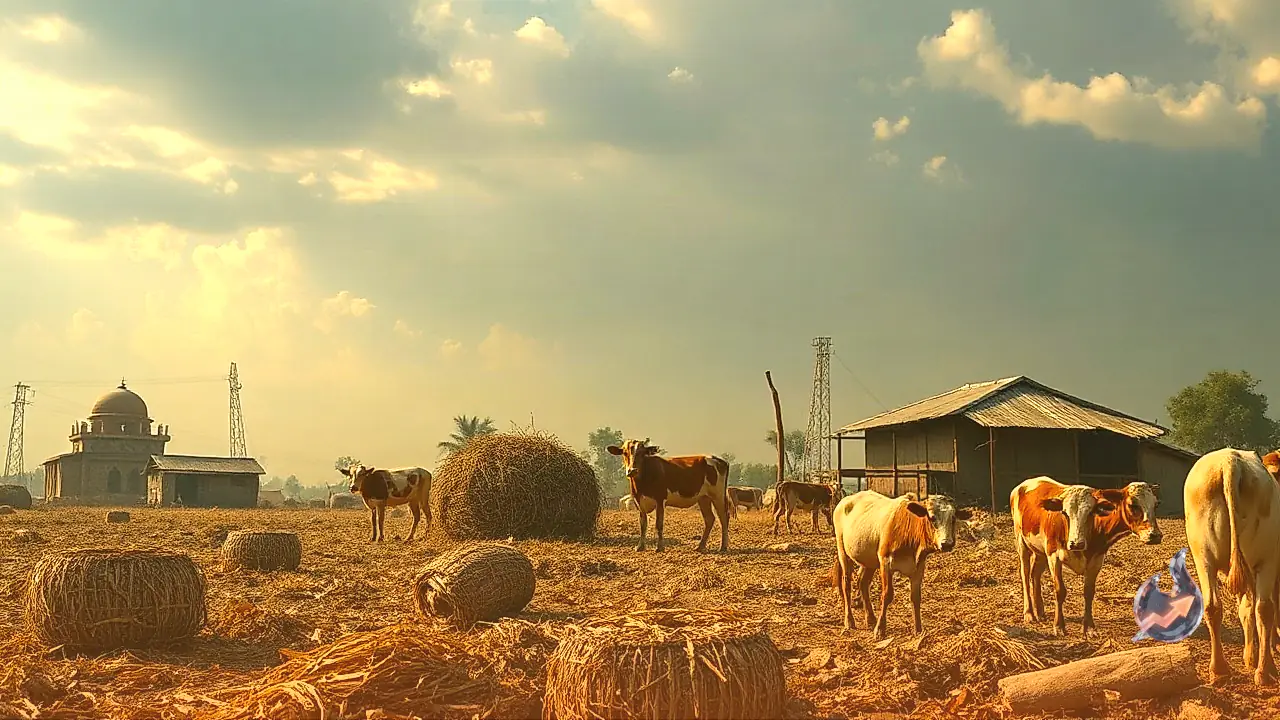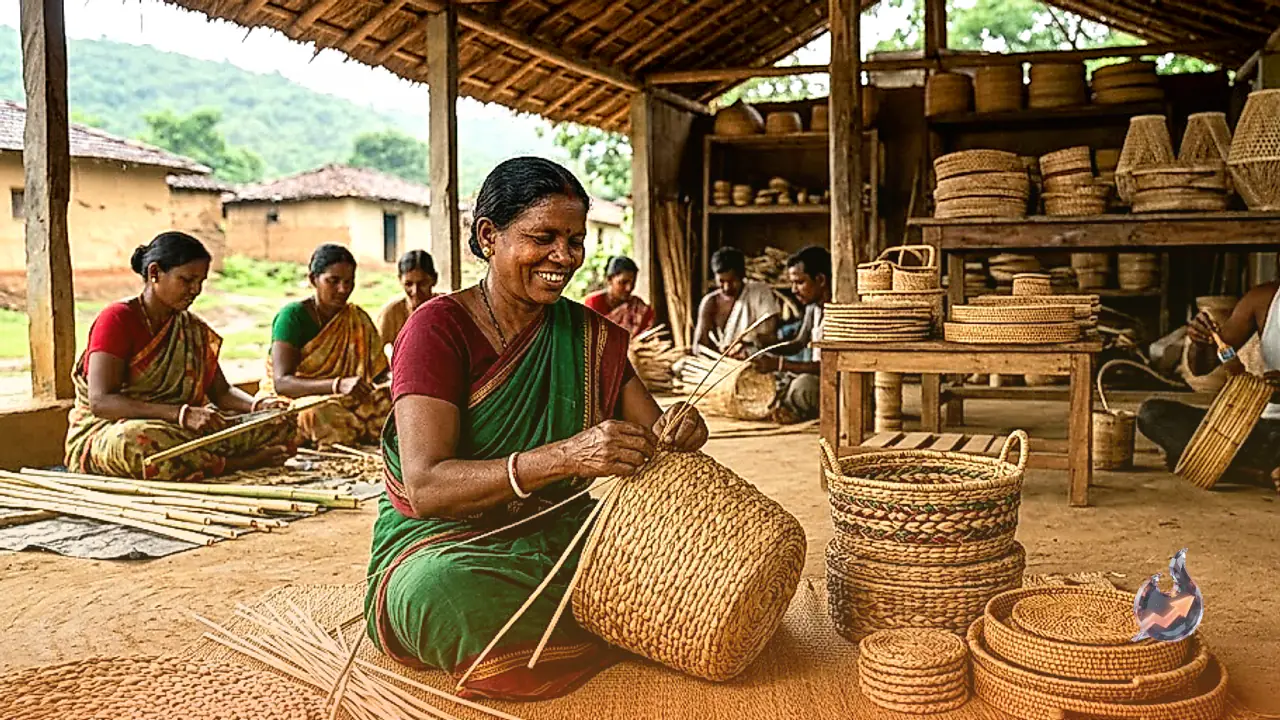


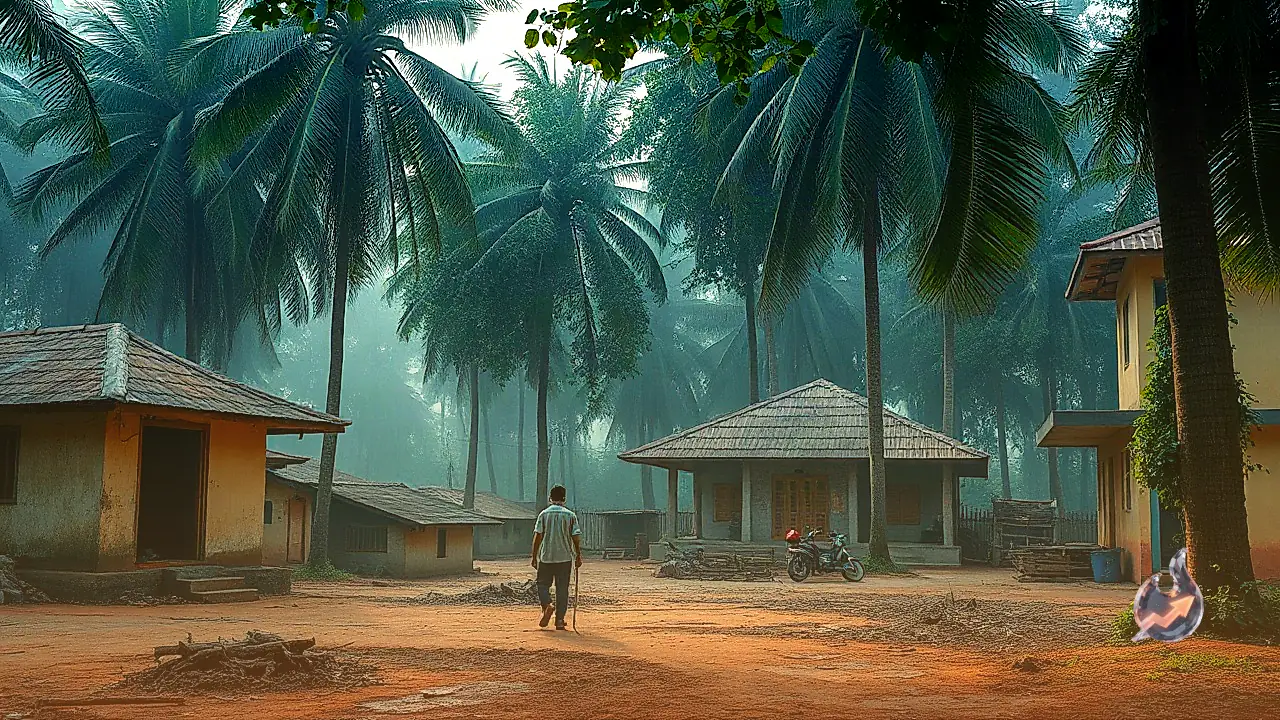




















Agricultural practices in Palamu are undergoing a noticeable shift as cultivators increasingly explore long-term arboriculture alongside traditional crops. In this evolving landscape, mahogany farming has emerged as a major topic of discussion among local growers due to its high-value timber. With proper upkeep, the trees are generally estimated to reach maturity over a span of roughly twenty to twenty-two years, promising substantial financial returns upon harvest.
Insights on Traditional Versus Mahogany Cultivation
Palamu farmer Tarkeshwar Singh Chero noted that in earlier times, cultivators relied heavily on teak trees as a long-term investment, which often required several decades to fully mature. In contrast, local growers and nurseries claim that mahogany timber becomes ready for harvesting in about twenty to twenty-two years. However, this growth timeline is heavily influenced by soil composition, local climate, sapling quality, and ongoing maintenance. Consequently, viewing this venture as an entirely risk-free enterprise that guarantees crores in returns is misleading.
Planting Density and Spatial Arrangement
Explaining the layout requirements, he pointed out that the number of trees per unit of land depends entirely on the spacing between saplings. Maintaining a distance of roughly eight to ten feet allows an estimated two hundred saplings to be accommodated within a standard katha spanning approximately seventeen hundred square feet. He emphasized that the final density should always be determined in consultation with a local agricultural specialist to ensure each tree receives adequate space and nutrients.
Growth Patterns and Timber Yield
He further elaborated that under optimal long-term environmental conditions, mahogany trees can attain heights of thirty feet or more. The actual usable timber retrieved from the trunk depends on numerous variables rather than height alone. Therefore, estimating the final market value or total revenue based solely on the physical height of the mature trees is inaccurate.
The Theoretical Math Behind Potential Revenue
Detailing the financial projections, he provided a hypothetical calculation where a single tree yields thirty feet of timber priced at three thousand rupees per foot, bringing its individual value to ninety thousand rupees. Multiplying this by two hundred trees yields a staggering figure of approximately one crore eighty lakh rupees, nearing the two crore mark. However, he stressed that this is merely theoretical arithmetic rather than guaranteed income. Actual earnings are subject to variables such as sapling mortality rates, timber quality, harvesting and transportation expenses, fluctuating market rates, and selling costs.
Essential Precautions Before Investing
Concluding his observations, he underscored that cultivating mahogany serves as a long-term financial commitment requiring regular irrigation, robust protection, and consistent monitoring during the initial formative years. Before committing land to this venture, prospective planters must consult local agriculture departments, agronomy experts, and dependable timber buyers to understand prevailing market dynamics and regulatory compliance.