






















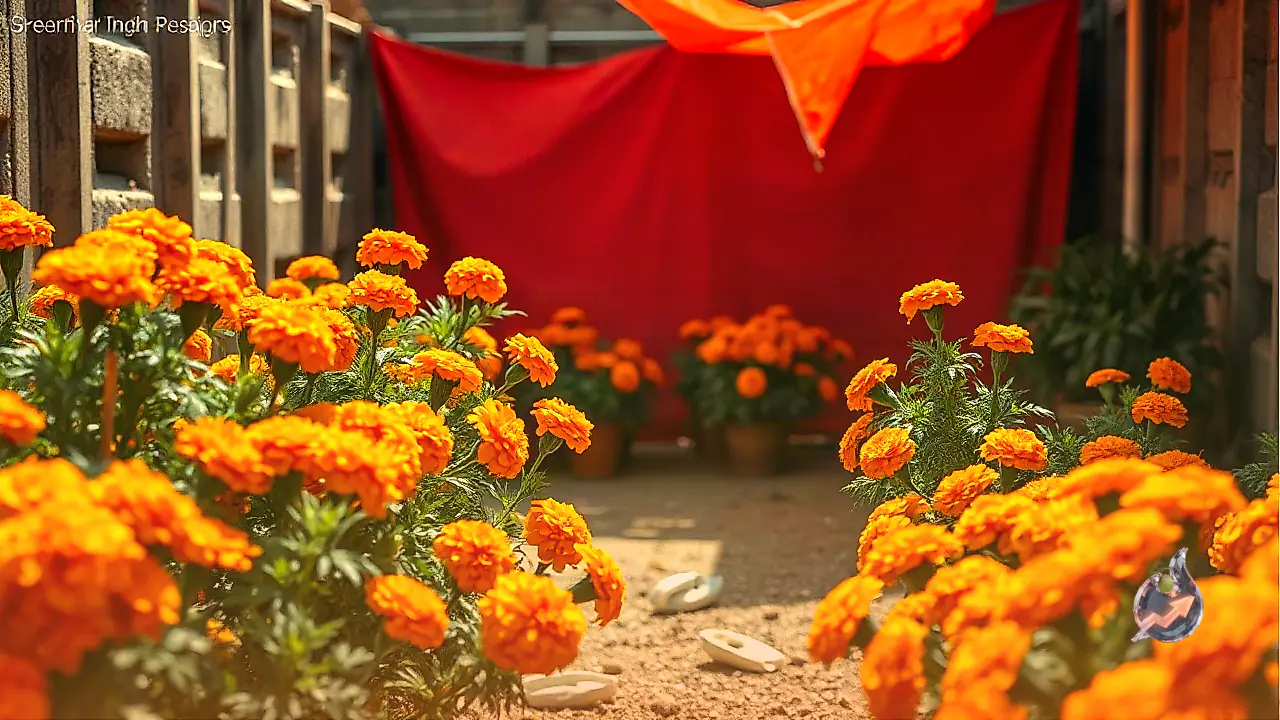

Marigold flowers are a top choice for enhancing the aesthetic appeal of home balconies, rooftops, courtyards, and gardens, especially with their vibrant yellow and orange petals frequently used in festivities and daily worship. Although managing plants during certain weather transitions can get tricky, providing minor attention and proper maintenance can easily help marigold plants deliver abundant and long-lasting flowering.
Selecting the Right Pot and Timing
According to Palamu-based farmer Tarkeshwar Singh Cheron, choosing the correct season and appropriate container size is absolutely vital for achieving robust growth in marigolds. Generally, the months of October to November and February to March are considered ideal for planting marigolds, though this can vary slightly depending on local climatic conditions. An eight to ten-inch pot works sufficiently for standard plants, while larger varieties require a twelve to fourteen-inch container. Furthermore, it is crucial to ensure that drainage holes are present at the bottom of the pot to prevent water logging.
Raising Plants Easily from Seeds
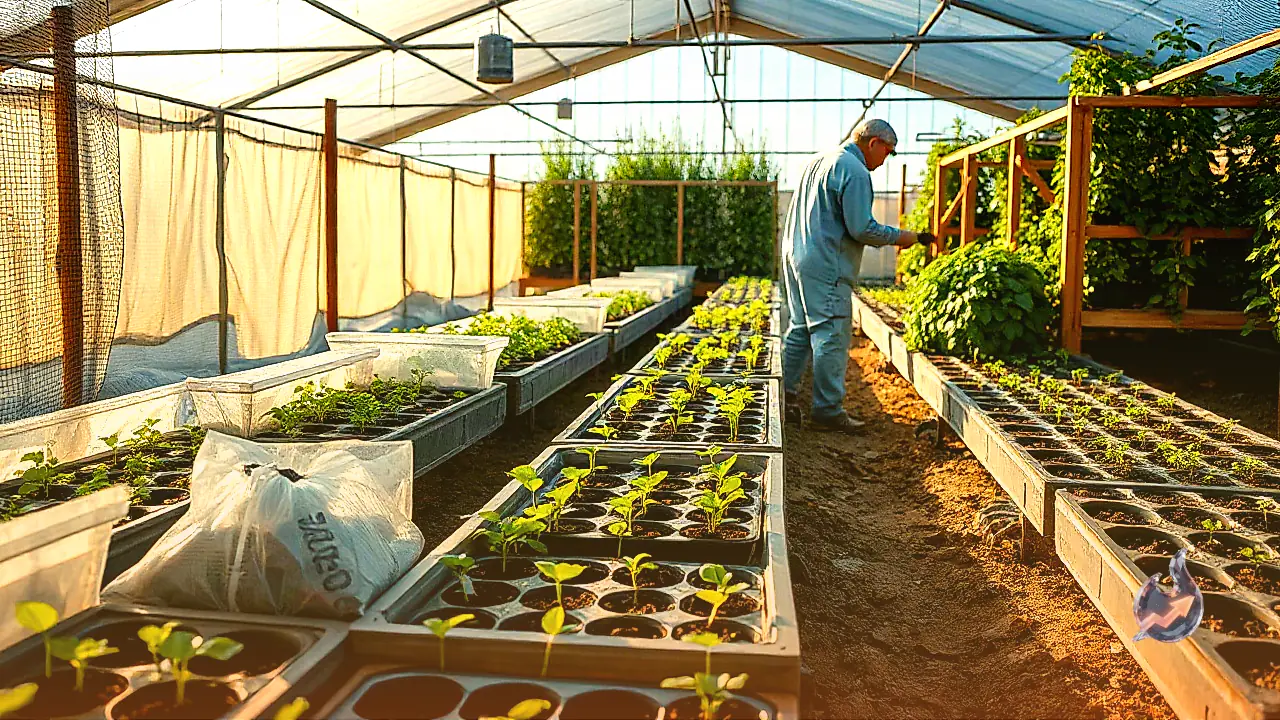
Propagating marigolds directly from seeds at home is a straightforward process. Seeds should be sown in light, crumbly soil, followed by dusting an extremely thin layer of soil over them and spraying water gently. Typically, seedlings start sprouting within four to ten days. Once the young plant reaches a height of roughly four to six inches, it can be safely transplanted into a larger permanent pot.
Managing Sunlight and Watering in Winter
As winter sets in, marigold plants often experience a decline in flower production. To counter this, the most important step is ensuring the plant receives adequate sunlight. Exposing the plant to roughly six to eight hours of direct sunlight daily helps boost the formation of numerous new blossoms. Water the soil only when the top layer feels dry, as overwatering can damage the roots severely.
Practicing Deadheading and Feeding Nutrients
To further increase flower yield, faded and withered blossoms should be plucked off regularly from the plant. Known as deadheading, this technique redirects the plant's energy toward developing fresh buds and healthy branches. Additionally, vermicompost or organic manure should be supplied at intervals of fifteen to twenty days. Fertilizers rich in potash can also prove exceptionally beneficial for optimal flower development.
Regular Weeding and Core Maintenance Rules
Alongside these measures, the soil should be lightly hoed at regular intervals while dried leaves are cleared away. Maintaining a balance across four key elements, namely measured watering, ample sunlight, excellent drainage, and routine fertilization, ensures that marigold plants will thrive with magnificent blooms even during peak winter, filling your pots with bright yellow and orange flowers.