




















The continuous surge in vehicle ownership across urban areas and expanding markets has created a parallel boom in automotive maintenance and support services. For individuals searching for a sustainable, high-yield business model with a relatively modest initial capital requirement, establishing a vehicle washing center presents an exceptional opportunity. This venture is particularly lucrative for those who already own a piece of land situated along high-traffic routes. In locations like Palamu, where transportation networks are growing rapidly, setting up a dedicated cleaning hub can pave the way for a highly reliable and consistent source of daily income.
Selecting the Ideal Location for Maximum Footfall
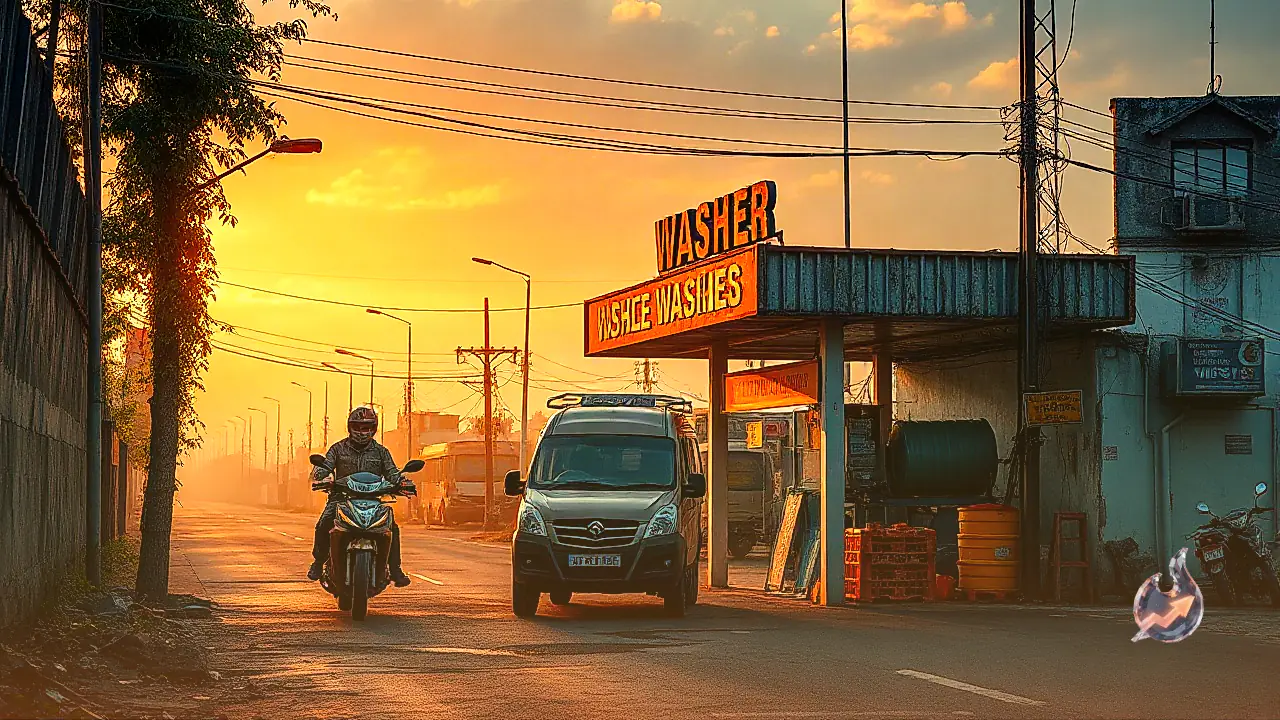
In the vehicle washing business, geographical placement behaves as the primary driver of customer acquisition. To ensure a steady stream of vehicles, operators must strategically select sites adjacent to bypass roads, major highways, active petrol pumps, local mechanical garages, or automotive showrooms. Establishing the center near busy market complexes or high-density residential zones also ensures high visibility. If you are fortunate enough to own a plot in one of these premium areas, your initial setup costs will drop significantly since you do not have to worry about monthly rental outlays or leasing negotiations. High-traffic visibility ensures that passing motorists organically discover your services, which reduces the need for expensive promotional campaigns.
Financial Requirements and Equipment Setup Costs
Launching a fully operational vehicle washing unit requires a planned capital investment. According to Rajiv, an experienced operator running a successful washing center, the starting setup cost generally falls between 4 to 5 Lakh Rupees. This budget is utilized to establish the foundational infrastructure of the business. The capital covers the design and construction of a vehicle ramp, drilling a deep borewell, purchasing high-efficiency water motors, and installing a large-capacity water storage tank. Additionally, professional washing equipment, high-pressure spray guns, a reliable power generator for backup, and various essential cleaning accessories are required. Entrepreneurs must also secure a dedicated commercial electricity connection to run the heavy-duty machinery. The final, actual cost will fluctuate based on local land prep requirements, the quality of the machinery chosen, and the overall physical scale of the center.
Technical Blueprint for Ramps and Water Systems
The structural layout of the washing station is crucial for seamless daily operations. Rakesh Kumar, who also operates in this sector, explains that constructing an efficient ramp is a critical first step. Based on standard operational guidelines, the ramp should ideally feature a depth of approximately 3 feet, a width ranging between 2 to 2.5 feet, and a total length of at least 15 feet. If the available plot size is larger, expanding these ramp dimensions is highly recommended. A larger ramp layout allows the center to accommodate and wash multiple vehicles simultaneously, drastically reducing customer wait times during peak hours. Alongside the ramp, establishing a robust water network is non-negotiable. This involves drilling a reliable borewell, mounting a heavy-duty motor, and setting up overhead storage tanks to maintain uninterrupted high-pressure water flow throughout the day.
Daily Revenue Potential and Profit Projections
The financial viability of a washing center is highly attractive for local entrepreneurs. Rakesh Kumar notes that after clearing all daily operational expenses, a standard center can comfortably yield a net daily profit of around 1,000 Rupees. This baseline performance translates into a steady monthly net income of approximately 30,000 to 35,000 Rupees. However, it is essential to understand that actual profit margins are dynamic. The final monthly take-home income is directly tied to the total volume of daily customers, local service pricing, staff wages, electricity tariffs, water sourcing costs, and miscellaneous overheads. High-performing centers situated in prime locations can easily exceed these average figures by serving a larger volume of daily clients.
Leveraging Festive Demand and Expanding Services
Seasonal demand fluctuations play a massive role in boosting the overall revenue of a vehicle cleaning business. During major festivals and special celebratory seasons, the volume of customers surges dramatically. It is a widespread cultural practice to thoroughly clean and wash personal vehicles before major holidays or family events, leading to a massive spike in service bookings compared to normal business days. To build a highly resilient business, operators should not limit themselves solely to basic exterior washing. As the business stabilizes, entrepreneurs can introduce value-added premium services. These include deep steam cleaning, interior vacuuming and detail cleaning, body polishing, and under-chassis rust-proofing. Offering these specialized services allows the business to earn significantly more revenue per vehicle. Furthermore, forming strategic tie-ups with nearby car showrooms, mechanical garages, and commercial fleet owners can secure a steady pipeline of contract-based corporate clients.
Pre-Launch Market Analysis and Strategic Planning
Before investing capital into setting up a washing center, conducting a thorough local feasibility study is vital. Aspiring business owners must evaluate the total concentration of vehicles in the target area and survey the number of active competitor washing centers nearby. Assessing the continuous availability of water resources and commercial power lines is equally critical to prevent operational bottlenecks. By calculating the exact dimensions of the land and obtaining accurate price quotes for high-quality machinery, you can build an airtight business blueprint. Ultimately, combining a high-traffic location with superior service standards and honest customer relationships will ensure the long-term sustainability and growth of your washing center venture.