
























In Deoghar district, the process of paddy transplanting was completed approximately 20 to 25 days ago. As we enter the beginning of September, this period is considered highly critical and sensitive for the paddy crop's development. Agriculture scientists warn that if farmers fail to pay close attention to their fields during this pivotal phase, it could severely impact the final crop yield. Furthermore, the combination of rainfall and high atmospheric humidity during this season significantly elevates the risk of various diseases and pest infestations taking root in the standing crops.
Why the 20 to 25-Day Post-Transplanting Period is Crucial
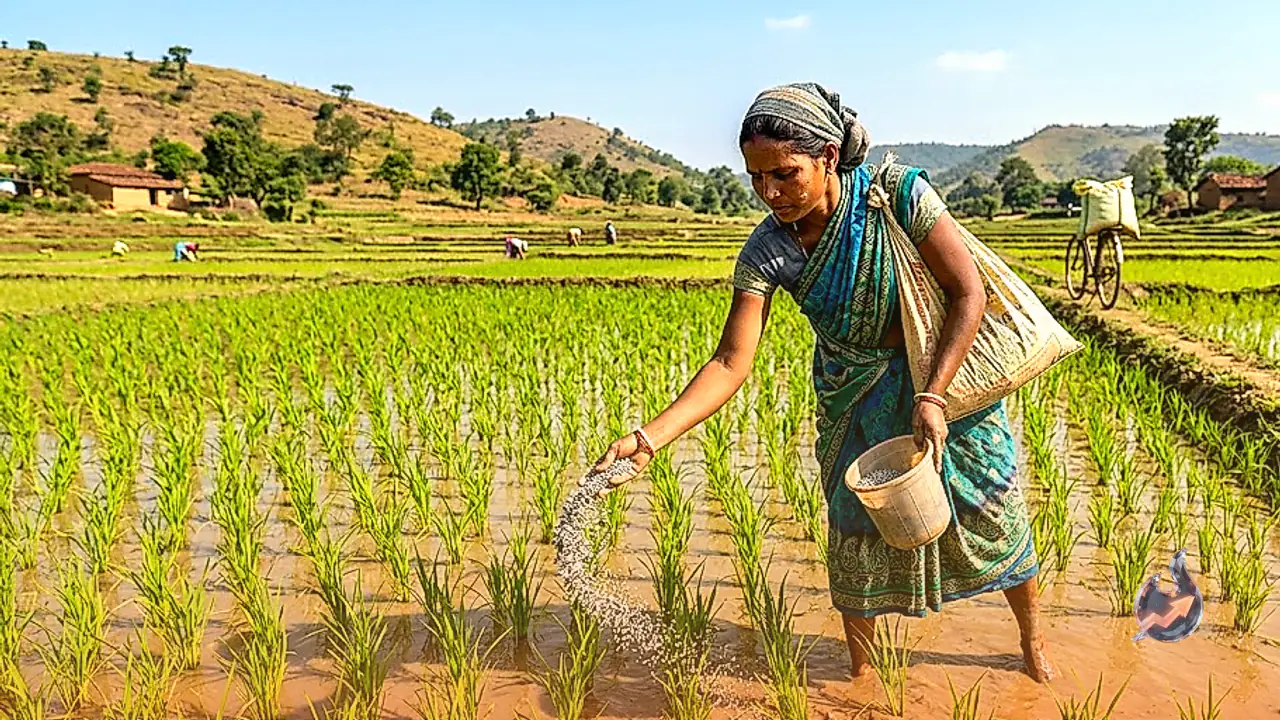
Providing deep insights into this developmental phase, Dr. Rajan Ojha, an agriculture scientist at the Krishi Vigyan Kendra in Deoghar, highlighted the immense importance of crop management at this stage. He explained that after 20 to 25 days of transplanting, paddy plants enter a rapid vegetative growth phase. During this time, the plants grow quickly and begin to develop tillers from their base. This is the optimal window for farmers to supply the essential nutrients required to fuel this growth. Dr. Rajan Ojha strongly recommends that farmers apply a balanced mixture of urea, zinc sulfate, and potash during this period. Administering these vital nutrients at the correct time ensures that the plants receive comprehensive nourishment, which in turn boosts their overall growth and development.
The Consequences of Delayed Fertilization on Paddy Yield
The primary benefit of applying fertilizers at this stage is that it stimulates healthy plant growth and encourages the formation of a high number of tillers. The density of tillers in a paddy crop is directly linked to the final grain yield; more tillers translate to a greater number of grain-bearing panicles and a highly successful harvest. Conversely, if farmers neglect to provide these essential nutrients during this critical phase, plant development can stall. This neglect leads to weak, stunted plants with very few tillers, which ultimately results in a sharp decline in grain production. Therefore, scientists advise farmers not to become complacent simply by observing adequate water levels in their fields. Instead, they must continuously monitor the crop's condition and apply the necessary fertilizers without delay.
Managing Pests and Diseases in Humid Conditions
According to Dr. Rajan Ojha, safeguarding the paddy crop against pests and diseases in early September is just as crucial as providing proper nutrition. The prevailing high humidity and moisture levels during this period create an ideal breeding ground for destructive pests, particularly the stem borer. The stem borer feeds on the inner tissues of the paddy stem, causing the plant to weaken and gradually wither away. If left unaddressed, a severe stem borer infestation can cause extensive damage to the entire field. To prevent such losses, farmers must conduct regular and thorough inspections of their crops. Upon spotting any initial signs of pest activity or disease symptoms, they should immediately seek advice from agricultural experts to implement recommended chemical or biological control measures.
Comprehensive Agricultural Guidance for a Successful Harvest
In conclusion, achieving a bountiful paddy harvest requires a dual approach of timely fertilization and constant crop vigilance. The 20 to 25-day period after transplanting is a make-or-break phase for farmers. A balanced application of urea, zinc sulfate, and potash strengthens the crop's vegetative structure, while active monitoring helps detect pest threats before they escalate. By taking proactive measures to control pests and diseases, farmers can avoid significant financial losses. For the farmers of Deoghar, dedicating attention and resources to their fields right now is essential to ensure that their hard work and investment translate into a bumper harvest.


