























Litti chokha carries an unmistakable rustic appeal that combines the deep aroma of roasted gram flour, pungent mustard oil, and melted desi ghee. In urban apartments and modern modular kitchens, however, the lack of traditional clay ovens, open charcoal grills, or cow dung cake embers often keeps people from preparing this classic regional dish. The entire experience can nevertheless be recreated with standard kitchen utensils using a heavy kadhai over an everyday gas stove. Popular cooking creator Nisha Madhulika demonstrated on her YouTube cooking channel how home cooks can prepare flaky litti alongside smoky roasted eggplant and tomato chokha with basic stove equipment.
Preparing the Dough with the Right Proportions
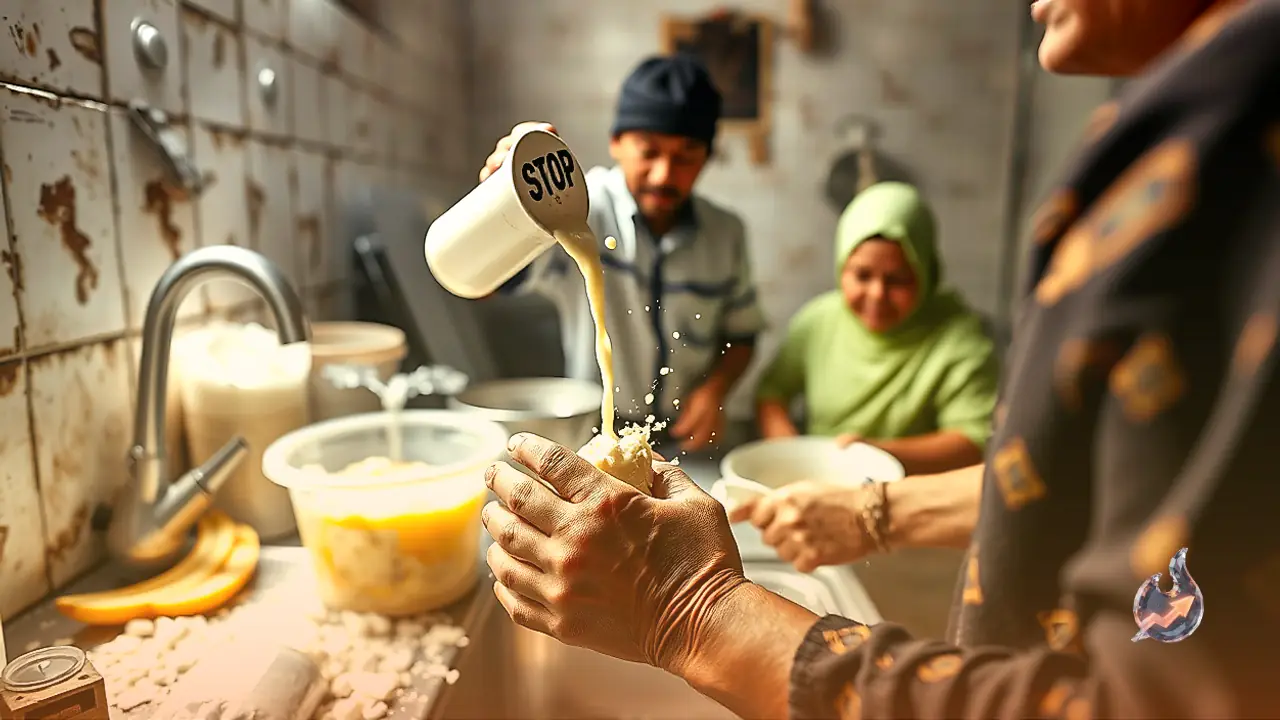
The foundation of crisp, thoroughly cooked litti rests on proper dough preparation. In a mixing bowl, combine 3 cups of whole wheat flour with 3 tablespoons of ghee to provide shortening. Add salt to taste, half a teaspoon of carom seeds (ajwain), and a quarter teaspoon of baking soda. The inclusion of baking soda allows the dough balls to expand slightly and cook through evenly over indirect stovetop heat. Rub the flour and ghee together with your fingers until the mixture feels crumbly. Next, gradually pour in plain water while kneading to form a soft, pliable dough. Ensure the dough is neither overly stiff nor sticky. Once the dough comes together smoothly, cover the bowl with a clean cloth or lid and let it rest so the gluten relaxes.
Crafting the Pungent Sattu Stuffing
The characteristic taste of litti depends entirely on the spicy, aromatic sattu filling sealed inside. To prepare the stuffing, measure 1 cup of sattu (roasted gram flour) into a deep bowl. Mix in finely chopped fresh coriander leaves, 5 to 6 minced green chillies, and 2 inches of freshly grated ginger. For the distinctive zesty punch, incorporate 1 tablespoon of pickle masala, salt to taste, 2 tablespoons of raw mustard oil, and the freshly squeezed juice of one whole lemon. Raw mustard oil and pickle spices lend the filling its authentic rustic bite. Combine all ingredients thoroughly. If the sattu remains excessively powdery, sprinkle a small splash of water over the mixture and stir until it holds together loosely when pressed. The filling should neither become pasty nor remain so dry that it spills freely during shaping.
Roasting Eggplant and Tomatoes for Smoky Chokha
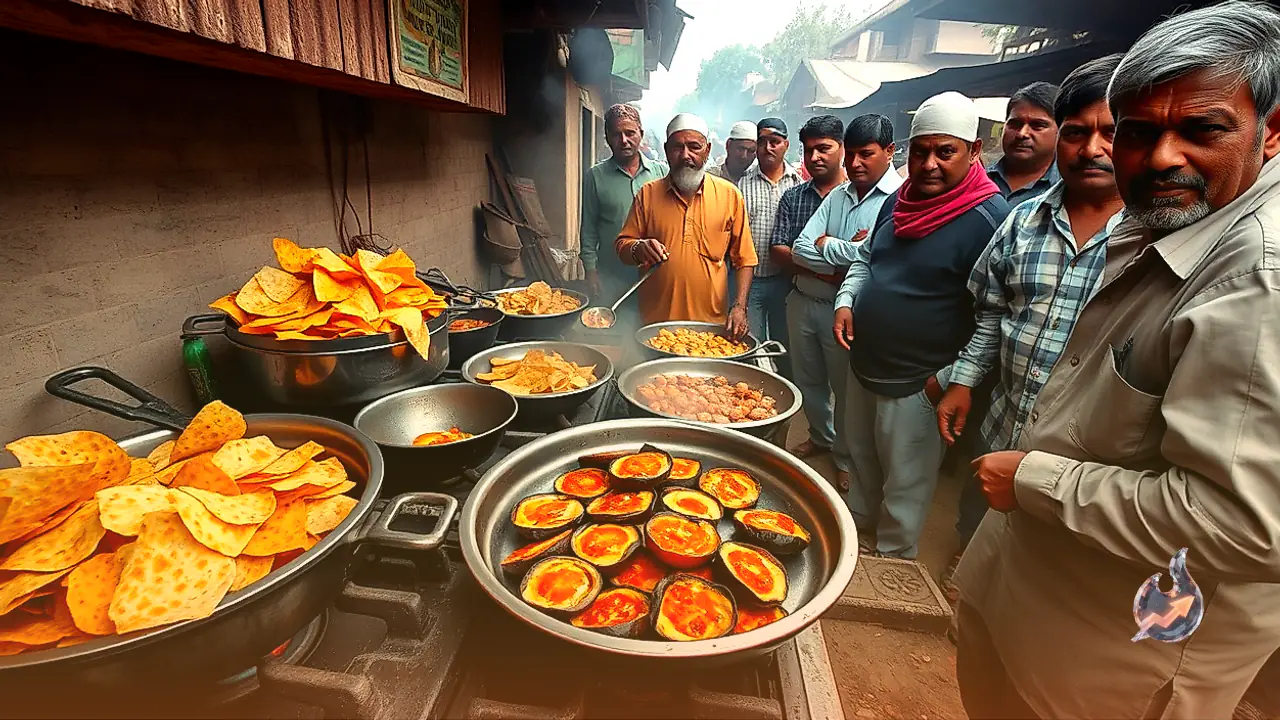
A classic chokha served alongside litti features direct flame-roasted vegetables. Select one whole eggplant and four ripe tomatoes. Rub a light sheen of oil over their skins so that the charred peels separate cleanly later. Set a wire roasting rack directly over the gas burner, place the eggplant and tomatoes on top, and roast them over medium flame. Rotate the vegetables periodically with tongs to ensure the heat penetrates uniformly and softens the pulp inside. Turn off the flame once the skins turn completely charred and blackened. Allow the roasted produce to cool down before gently peeling away the blackened skins. Transfer the roasted pulp to a bowl along with four boiled, peeled potatoes and mash everything thoroughly. Season the mash with finely chopped green chillies, grated ginger, fresh coriander leaves, salt, juice of one lemon, and a drizzle of raw mustard oil. Stir well to complete the rustic chokha.
Stuffing and Shaping the Dough Balls
Once the dough has rested, knead it briefly and portion it into small round balls. Lightly grease your palms with ghee and flatten each ball into a neat round disk. Using your thumbs, press gently into the center while rotating to form a shallow bowl-shaped pocket. Spoon a portion of the seasoned sattu stuffing directly into the cavity. Carefully pull the outer dough edges upwards, gathering them together at the top to seal the filling completely inside. Press down any surplus dough and roll the ball gently between your palms to restore a smooth, rounded shape. Repeat the process with the remaining dough and filling. Make sure there are no visible fissures or unsealed gaps along the outer surface, which prevents the stuffing from leaking into the pan during cooking.
Cooking the Litti Evenly in a Covered Kadhai
To roast the stuffed dough balls without an open fire, choose a heavy-bottomed kadhai that distributes heat gradually and prevents scorching. Smear approximately one teaspoon of ghee over the bottom and sides of the pan. Place the assembled littis inside with slight spacing between them and cover the kadhai with a tight-fitting lid. Set the stove to low-medium heat. After cooking for about 2 to 3 minutes, remove the lid and turn the littis over with a pair of tongs or a spoon. Continue rotating them every 2 to 3 minutes so each side develops an even golden-brown crust. Once the surface turns evenly toasted, firm, and golden, remove the cooked littis from the pan. Avoid overcrowding a smaller kadhai to allow uniform heat circulation. The same cooking technique can also be applied using a pressure cooker or an appe pan. Serve the hot littis dipped generously in pure melted ghee or cracked open with ghee spooned over top, paired alongside the smoky chokha.