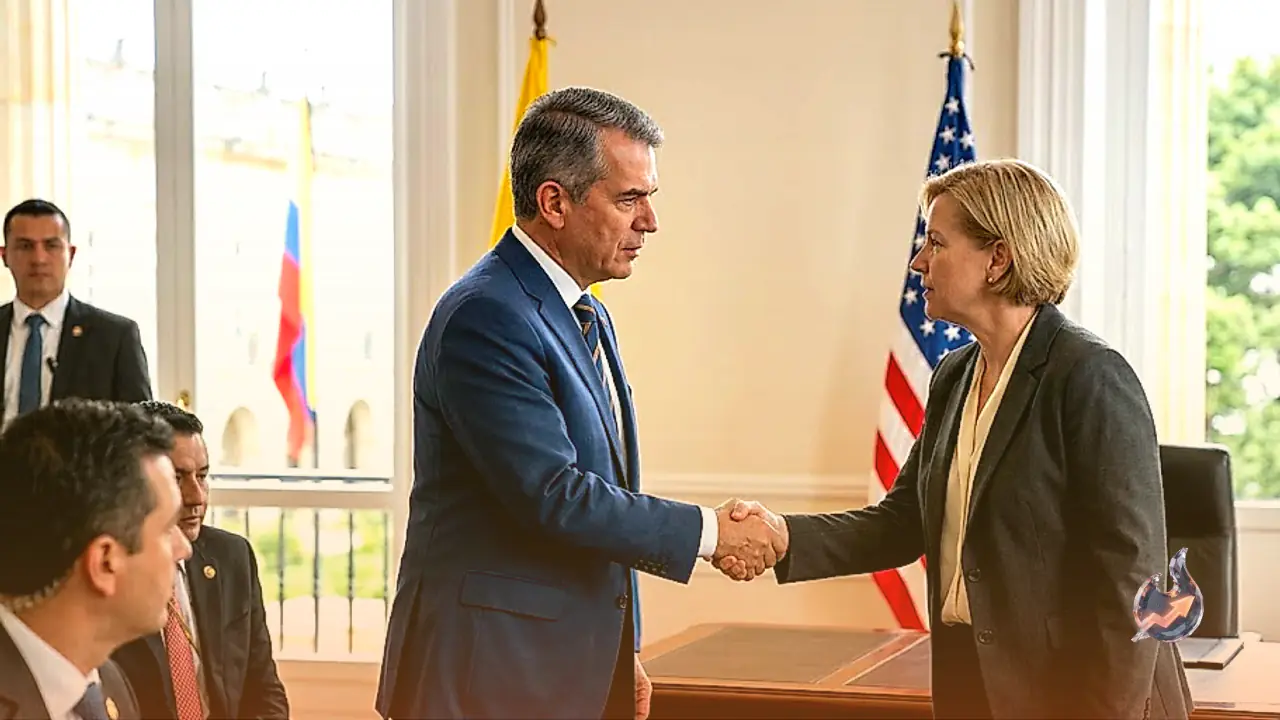




















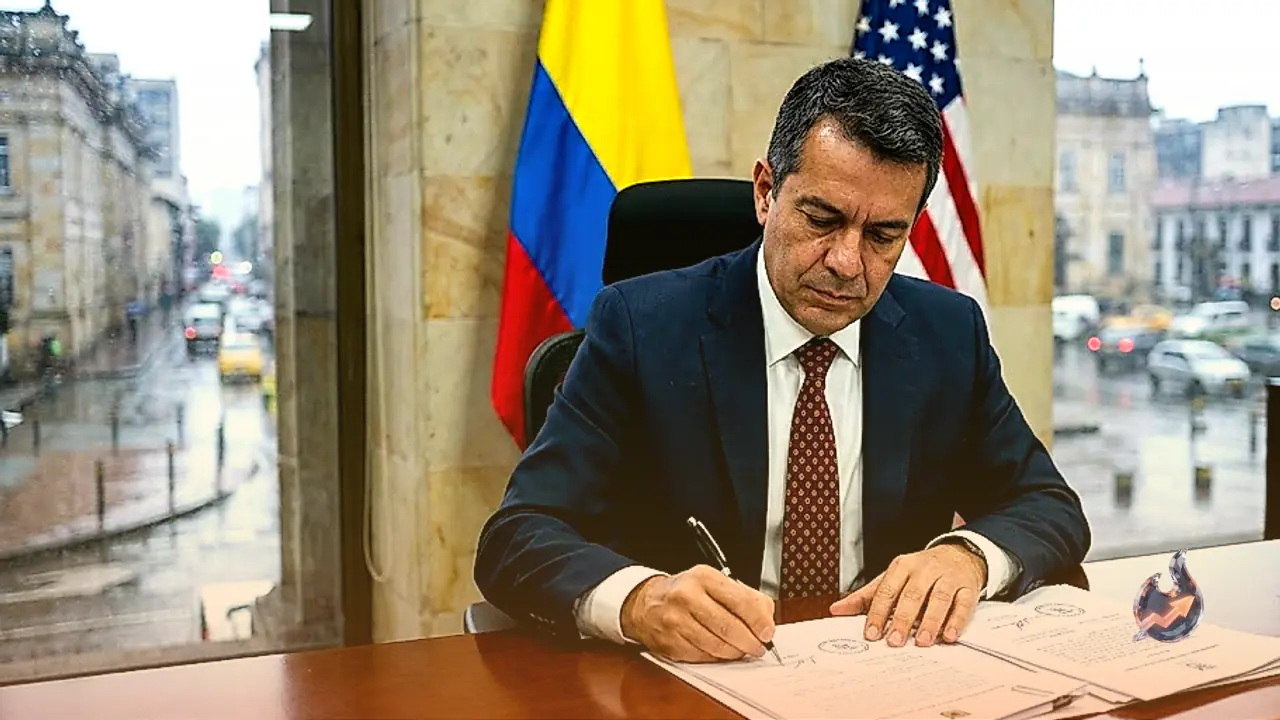

Colombia's newly sworn-in right-wing President, Abelardo de la Espriella, has formally approved the extradition of five members of rebel armed groups and drug cartels wanted in the United States on narcotics-related charges. The decisive measure marks a major policy shift from the approach taken by his left-wing predecessor, Gustavo Petro, who had attempted to resolve Colombia's decades-long armed conflict by drawing insurgent and criminal factions into peace negotiations. By prioritizing law enforcement and international extradition, the new administration in Bogota signals an aggressive return to hardline anti-narcotics strategies.
Reversal of the Peace Negotiation Strategy
President Abelardo de la Espriella made his government's foreign policy and anti-crime stance clear shortly after taking office. Writing on X, de la Espriella declared that from day one, peace cannot serve as a refuge for criminals or function as a mechanism of impunity. Speaking further on the decision, the new leader directly criticized the former administration's peace initiatives, stating that Petro's negotiating framework had opened doors to illegal organizations without securing genuine cooperation or dismantling their illicit operations.
Critics of Petro's total peace policy had long argued that attempting to negotiate simultaneously with multiple armed groups proved counterproductive. According to opponents, members of these illegal groups repeatedly violated bilateral ceasefires, manipulated the dialogue process to consolidate their logistical operations, and ultimately walked away from the negotiation tables without disarming. By lifting the legal protections previously granted to negotiators, the de la Espriella administration aims to hold cartel and rebel operatives accountable under international law.
The Suspects and Their Extradition Status
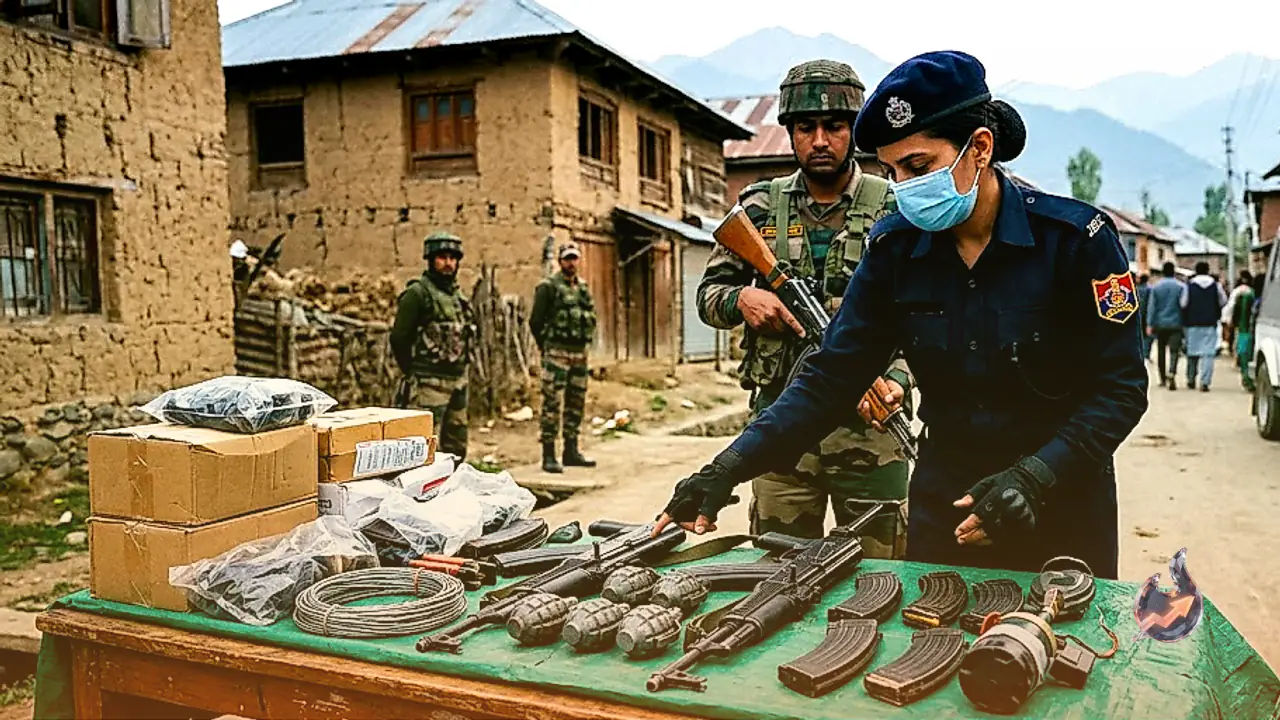
The five individuals subject to extradition face severe federal indictments in the United States, including charges of drug trafficking, narco-terrorism, and illegal possession of firearms. The suspects are affiliated with dissident factions of the Revolutionary Armed Forces of Colombia (Farc), a left-wing guerrilla organization that signed a peace agreement with the national government in 2016, as well as the Gulf Clan, widely recognized as Colombia's premier drug trafficking syndicate.
Although former President Gustavo Petro had initially authorized their extraditions in 2025, the legal orders were subsequently suspended when the suspects agreed to participate in government-sponsored peace talks. Out of the five wanted men, only two are currently held in Colombian detention facilities, while the remaining three remain at large as fugitives. President de la Espriella's approval reactivates the extradition process for those in custody and underscores high-priority capture orders for those still on the run.
Restoring the Washington-Bogota Security Alliance
De la Espriella, who assumed the presidency earlier this month after campaigning on explicit promises to crush drug cartels, has pledged to US President Donald Trump that Colombia will escalate anti-narcotics campaigns across Latin America. Targeting regional drug trafficking cartels remains a central national security priority for the Trump administration, making Colombia's renewed cooperation pivotal for US regional policy.
As the world's largest producer of cocaine, Colombia has historically functioned as Washington's most vital security ally in South America. However, bilateral relations experienced significant friction under Petro, who publicly questioned traditional counter-narcotics models and criticized US military operations against suspected drug-smuggling vessels in international waters. With de la Espriella's latest executive action, bilateral security cooperation between Bogota and Washington is expected to tighten considerably in the coming months.