

















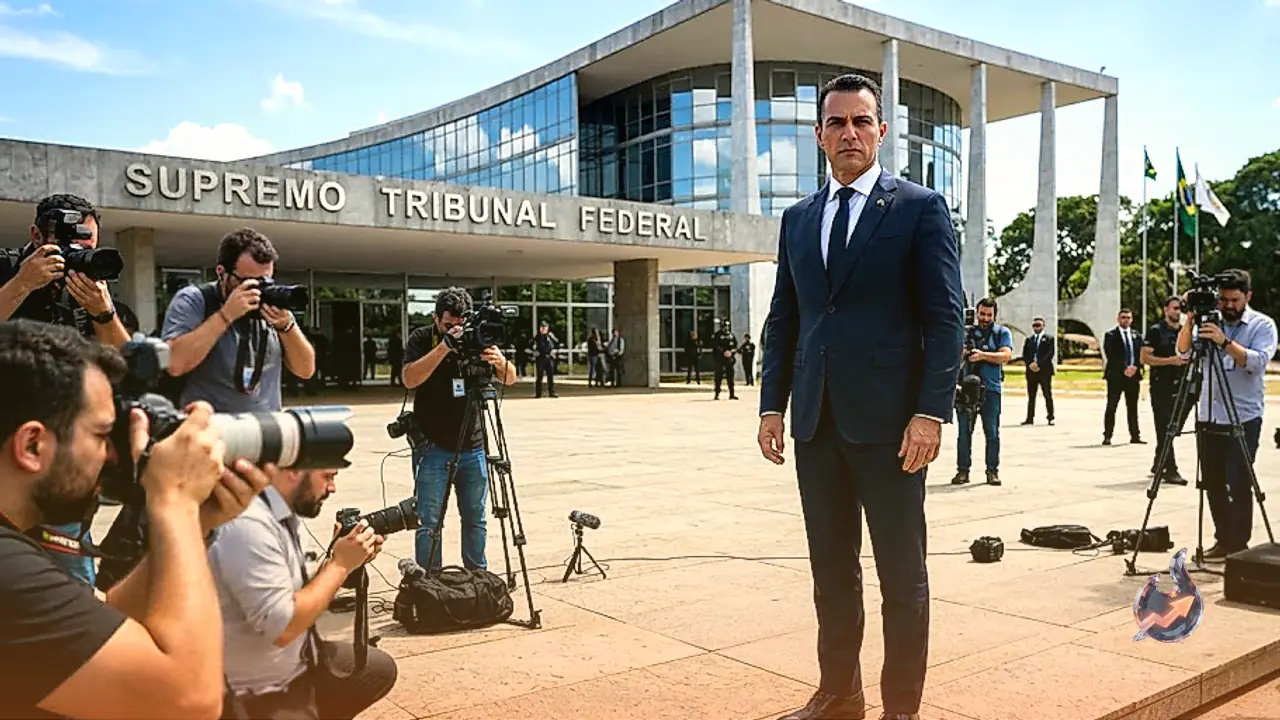

Federal police in Brazil have formally voided the travel credentials of right-wing senator Flávio Bolsonaro following his failure to hand over the paperwork within a court-mandated deadline. The Supreme Court had instructed the defeated 45-year-old presidential candidate on Monday to relinquish his passports to law enforcement custody within a strict 24-hour window.
The surrender directive stems from an active investigation examining alleged money laundering operations, misconduct that the senator vigorously disputes. Because the stipulated period expired without the documents being deposited, law enforcement officials are actively confronting concerns that he might have already slipped outside national borders.
Mounting Inquiries and Disputed Movements
Prior to the expiration of the deadline, Bolsonaro publicly maintained that leaving his homeland was out of the question. He adamantly declared his determination to remain in Brazil to spearhead political opposition against newly elected left-wing rival President Luiz Inácio Lula da Silva. Despite those reassurances, his failure to comply has triggered intense scrutiny at transit checkpoints.
Federal units are reviewing territorial boundaries to ascertain whether the politician managed to cross into neighboring Argentina. For their part, authorities in Argentina have stated that their border posts possess no entry logs or records documenting his arrival.
Legal pressures around the senator have intensified on multiple fronts. He was already under official scrutiny regarding corruption accusations tied to production financing for a movie detailing the career of his father, former President Jair Bolsonaro. The elder Bolsonaro is currently serving a term under house arrest following a conviction related to plotting a coup. Compounding these legal challenges, Brazil's Supreme Court on Tuesday instructed detectives to initiate an inquiry into suspected foreign contributions to Flávio Bolsonaro's presidential war chest.
Election Upset and Bitter Electoral Challenges
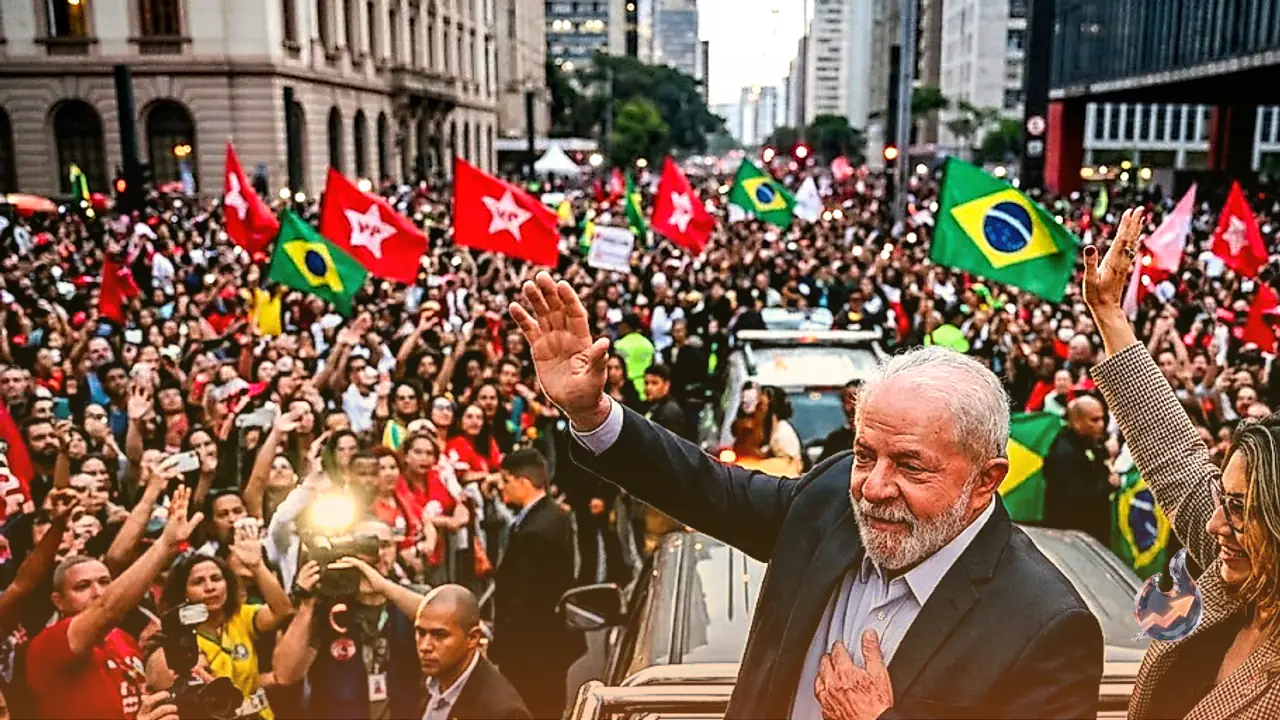
The regulatory confrontation arrives immediately after a bruising defeat during Sunday's presidential runoff, an outcome that overturned widely held expectations of a Bolsonaro victory. Prior polling data had placed him slightly in front of Lula, and electoral analysts had viewed his initial triumph in the first round on 4 October as a strong indicator that he would secure the presidency in the final showdown.
Although Bolsonaro built an early advantage as ballots were first tallied, the veteran incumbent steadily erased the margin. Lula subsequently became the first presidential aspirant in the country's electoral history to overturn an opening-round deficit and claim victory in the runoff stage. When the count concluded, Lula had secured 51.79% of total ballots against 48.21% for his challenger.
Facing a deficit of 4.4 million ballots, Bolsonaro refused to concede the race and has instead petitioned for the complete annulment of the vote. He maintains that his campaign was unfairly damaged by a two-hour extension of voting hours on election day. That timing extension, granted by a Supreme Court justice, had actually been requested by representatives of both rival political organizations.
While Bolsonaro labeled the scheduling shift an unfair maneuver, the Liberal Party, which backed his candidacy, chose to accept the certified election outcome. Nevertheless, the party stated that the judicial decision to lengthen voting hours deserves a dedicated inquiry.