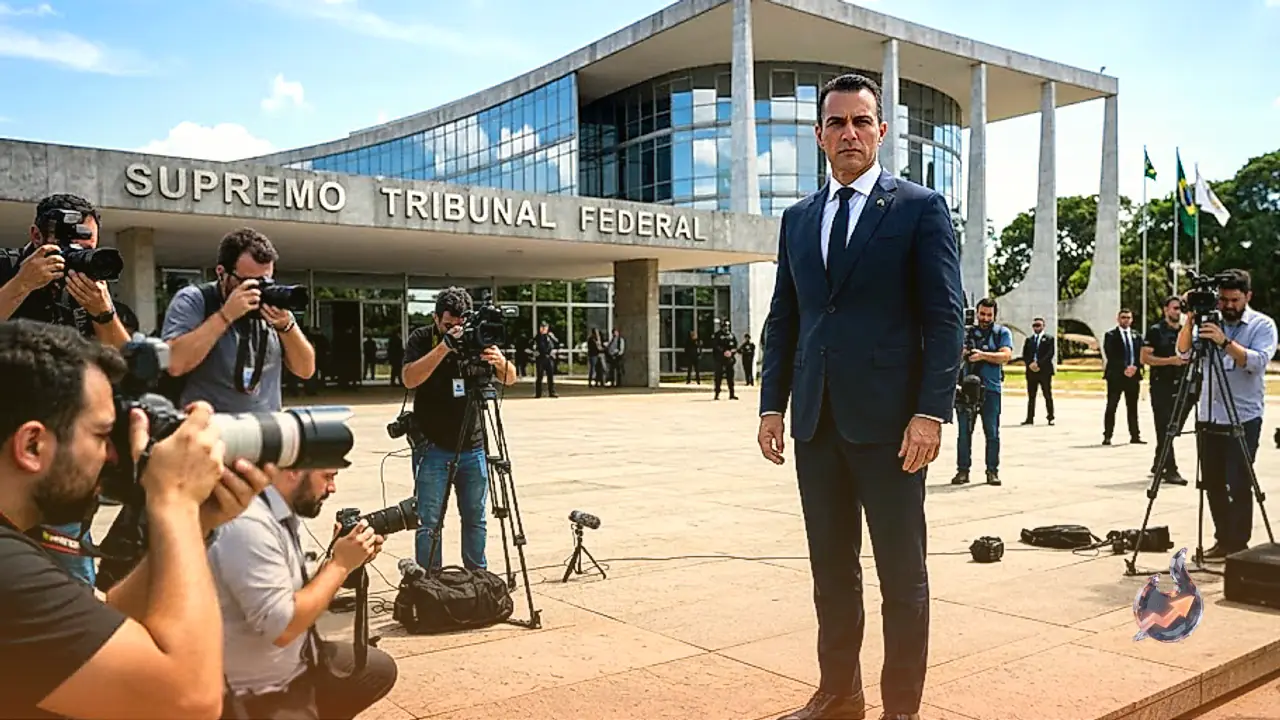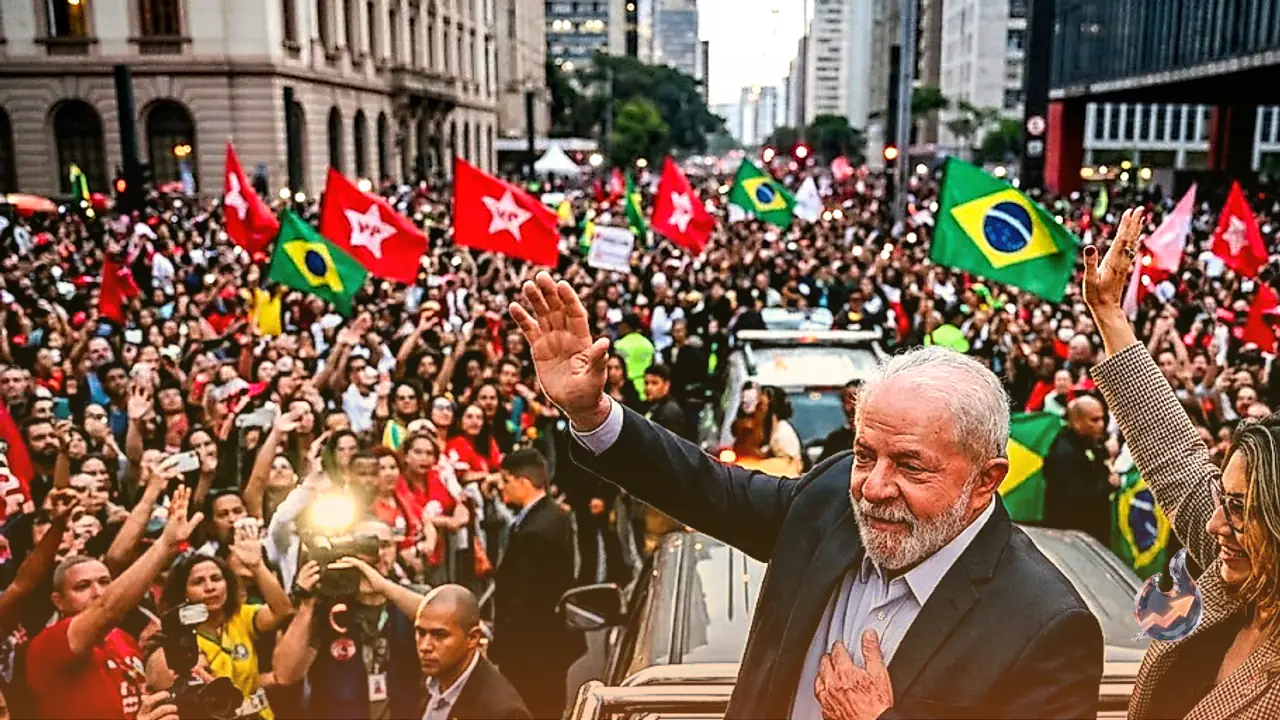

















In the immediate aftermath of his election triumph, Brazil's left-wing President Luiz Inacio Lula da Silva declared unequivocally that the country would never resign itself to being treated as anyone's backyard. That pointed declaration of national pride was directed straight at Washington. Domestic elections are rarely decided on the terrain of international relations, and this hard-fought contest was fundamentally no exception. Yet Lula's fierce public resistance to what he characterized as overt United States meddling in Brazilian sovereignty struck a deep chord across the electorate, transforming foreign policy into an exceptionally potent campaign asset.
That confrontational posture aligned naturally with his long-standing political identity as an uncompromising former trade union organizer who built his career by staring down entrenched power structures. Paradoxically, this unyielding stance appears to have won him the personal esteem of Donald Trump. Offering his immediate reaction to the vote, Trump noted that he likes Lula and that the two get along well, adding that he did not take sides before characterizing the electoral process as terrible and rigged. While the interaction might appear contradictory on the surface, it reflects an intricate and fragile dynamic between two assertive figures operating with divergent geopolitical agendas.
Sovereignty at the Ballot Box and Clashing with the Bolsonaro Camp
Trump refrained from offering a formal public endorsement to Lula's right-wing challenger Flavio Bolsonaro, who adamantly refused to concede defeat or acknowledge the certified election outcome. Nevertheless, Trump maintained an exceptionally close personal and ideological alliance with Flavio's father, former President Jair Bolsonaro. Instead of adopting a cautious and diplomatic posture toward Trump as several traditional international partners have done, Lula chose to push back forcefully. That combative strategy proved strategically decisive.
Throughout the campaign trail, Lula delivered impassioned speeches asserting Brazilian autonomy, took aim at external pressure directed against the domestic judicial apparatus, and regularly wore a signature blue cap emblazoned with the words declaring that Brazil belongs to Brazilians. He directed sharp criticism at the Bolsonaro political dynasty, accusing them of behaving unpatriotically by actively lobbying Washington to maintain punitive trade tariffs against their own nation. This line of attack dealt a damaging blow to a conservative movement that traditionally treats patriotism as its exclusive political domain. Even influential voices within the domestic agribusiness sector, who typically form a dependable core of Bolsonaro support yet depend heavily on stable trade access to the United States, acknowledged the validity of Lula's critique. Washington eventually relented and lowered those tariffs, although duties have moved higher once again in subsequent periods. Lula and Trump subsequently engaged in talks at the United Nations and held an official meeting in the Oval Office, where Trump described the dialogue as very good and Lula stated that he walked away very satisfied, providing another clear sign that Trump respects uncompromising national figures.
The Donroe Doctrine and the Geopolitical Struggle for South America
Despite their cordial personal exchanges, the broader administrative apparatus in Washington has substantial strategic grounds to view Lula's return with dismay. Over recent years, Latin America experienced an unmistakable shift toward the political right, with conservative leaders taking office across Ecuador, Chile, Colombia, Argentina, and Peru, each establishing close strategic alignment with the Trump administration. Trump has actively sought to leverage these regional allies to construct uncontested United States hegemony throughout the Western Hemisphere, an assertive regional playbook he has termed the Donroe Doctrine.
Christopher Sabatini, a senior fellow specializing in Latin American affairs at Chatham House, observed that Trump viewed Brazil as the tenth and crowning prize of this hemispheric coalition following Flavio Bolsonaro's initial lead in the first round of voting. Brazil represents the dominant economic engine of Latin America. Had the younger Bolsonaro prevailed, he was widely expected to enlist the nation in Trump's Shield of the Americas regional security coalition focused on combating cross-border narcotics trafficking. Beyond security architecture, Brazil possesses the planet's second-largest deposits of critical rare earth minerals behind China, a vital strategic resource to which the United States has been eager to secure preferential access.
Diplomatic Fallout, Sovereignty Disputes, and Security Rifts
Although diplomatic communication between the two administrations has experienced temporary thaws, Lula's four-year presidential mandate carries multiple unresolved flashpoints capable of reigniting deep bilateral discord. Earlier this year, Brazil directly accused American authorities of attempting to sow distrust regarding the integrity of its electronic voting infrastructure, prompting Brazilian officials to deny entry visas to a pair of visiting United States State Department personnel. Washington dismissed those allegations as baseless and retaliated diplomatically by revoking the visa of the Brazilian ambassador. Continued public assertions from Trump labeling the election as rigged threaten to spark renewed diplomatic retaliation and sever sensitive official channels.
Security policy represents another volatile area of dispute, as Lula has mounted outspoken opposition to unilateral United States armed interventions across the wider continent. He has condemned aggressive maneuvers ranging from operations targeting Nicolas Maduro in Venezuela to aerial strikes conducted against suspected illicit maritime transport vessels. Lula also expressed sharp indignation when Washington designated two prominent Brazilian organized crime networks as foreign terrorist organizations, a move that followed direct lobbying by Flavio Bolsonaro. The Brazilian leader cautioned that such external designations represent an encroaching infringement upon sovereign law enforcement authority. This issue remains profoundly sensitive for the Latin American political left, which retains painful institutional memories of brutal twentieth-century military regimes that were systematically backed by the CIA under the banner of containing regional communism.
Tech Allegations, Pix Disruption, and Polarized National Politics
The friction between the two sides has also extended into the digital sphere and financial technology markets. During the heated presidential race, Lula's campaign publicly accused tech conglomerate Meta of tilting its algorithmic systems to favor Flavio Bolsonaro. While Meta firmly denied intentional ideological bias, the platform conceded that automated moderation flaws and technical breakdowns had mistakenly suppressed legitimate content and curbed user distribution. In response, Lula's organizers mobilized an expansive digital apparatus comprising a 10-million-strong WhatsApp network, successfully bypassing centralized platform gatekeepers to communicate directly with citizens.
In the financial arena, the Trump administration has voiced discontent over Pix, Brazil's state-backed instant digital payments infrastructure. While Pix has revolutionized local commerce and dramatically accelerated domestic economic activity, policymakers in Washington view it as an aggressive competitive threat that undercuts market revenue for established American card giants Visa and Mastercard. Domestically, the contest highlighted severe ideological fractures. At conservative political rallies, Bolsonaro supporters were seen waving American flags and displaying an inflatable banner pleading for Trump to nuke Brazil, while progressive organizers countered by accusing Flavio Bolsonaro of subordinating national sovereignty to foreign interests. Today, the United States stands as Brazil's second-most significant bilateral trading partner after China. While both leaders maintain a cordial working relationship for the moment, long-term stability will hinge entirely on how forcefully Washington attempts to influence Brazilian governance and how fiercely Lula acts to defend national autonomy.