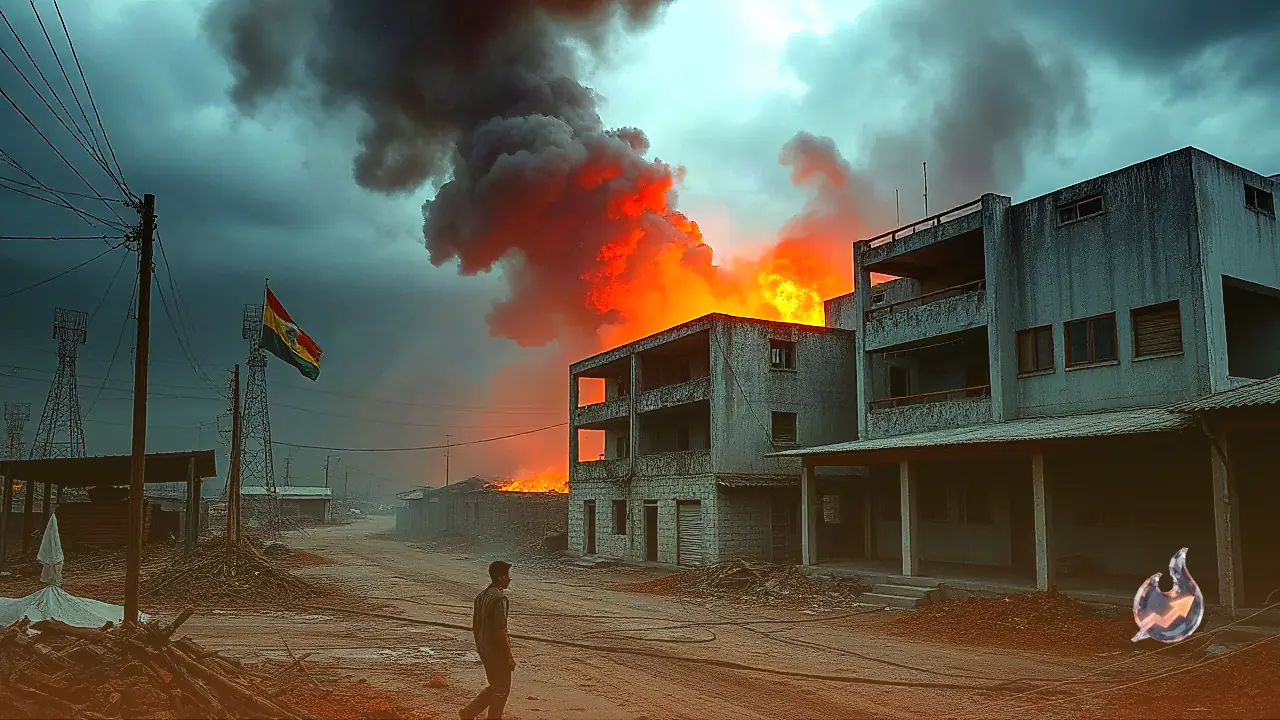






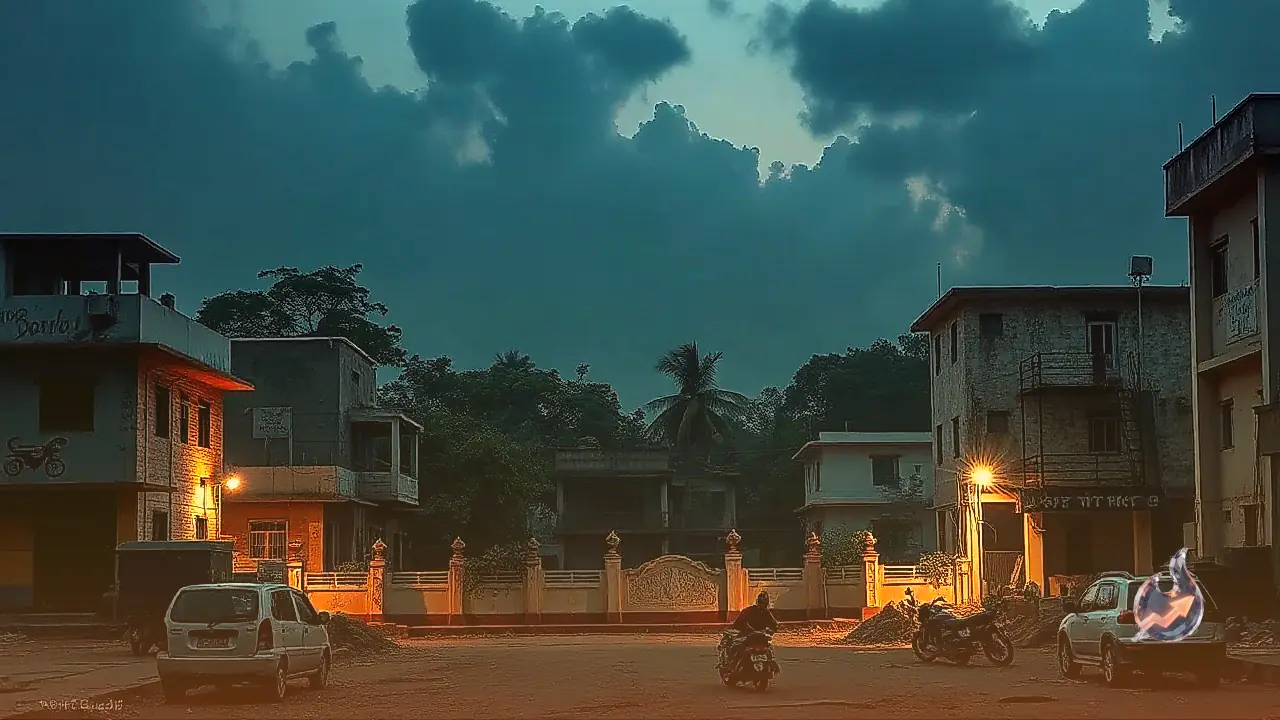















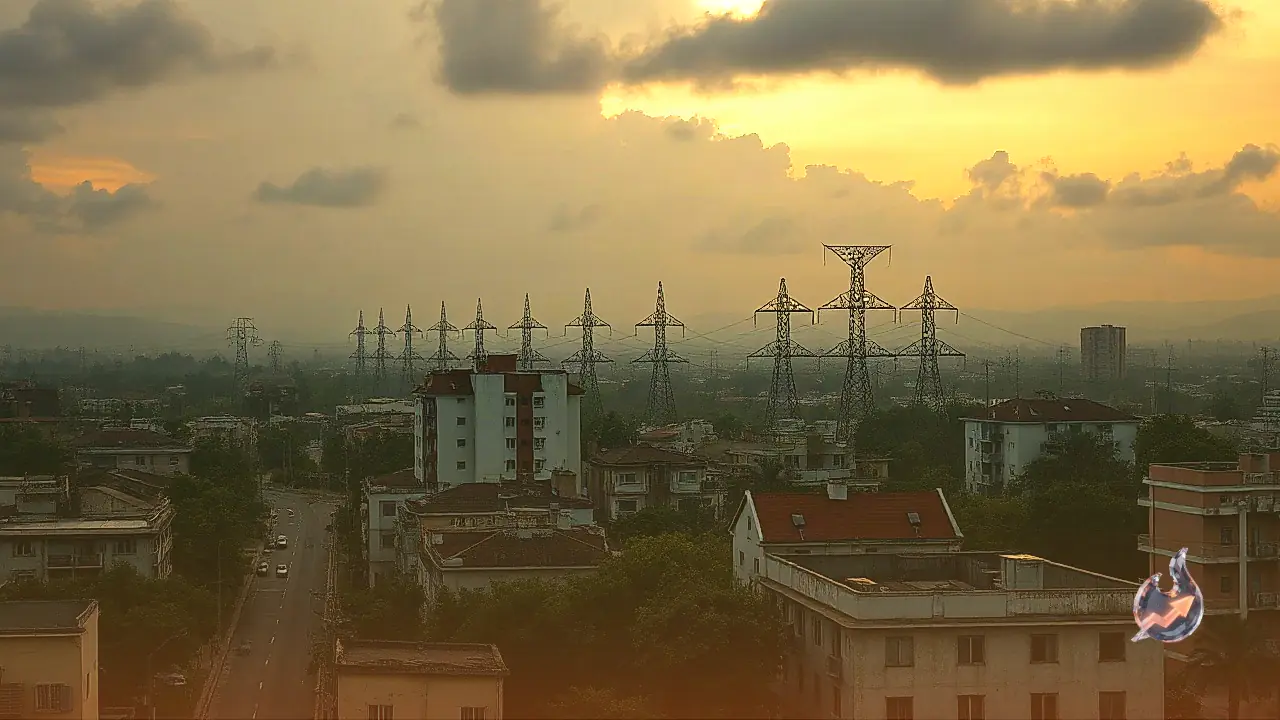

Millions of residents across Cuba found themselves plunged into darkness on Friday after the island nation suffered another catastrophic collapse of its national electrical network. Cuba's energy ministry confirmed that the entire power system experienced a total disconnection, severing electricity supplies nationwide within minutes. The outage compounds an already desperate humanitarian backdrop marked by acute shortages of food, drinking water, and essential medicines.
The national electrical operator UNE reported that the massive outage originated just before 14:00 local time on Friday (18:00 GMT). Officials identified the root trigger as a transmission failure interacting with harsh weather conditions across central Cuba. Following the grid's collapse, national load dispatch director Felix Estrada confirmed the activation of established protocols aimed at a gradual restoration of power, with recovery efforts extending through Saturday.
Priority Restoration for Hospitals and Essential Services in Havana
Emergency restoration measures prioritized critical public infrastructure rather than widespread residential areas. By late Friday evening, UNE crews managed to reconnect limited high-priority zones in the capital city of Havana, focusing primarily on facilities surrounding major hospitals and vital municipal water pumping stations. Despite these localized interventions, the vast majority of urban and rural neighborhoods remained without electricity.
This incident represents at least the sixth partial or total grid failure experienced by Cuba within the current year alone. The island's power generation network has been crippled by decades of underinvestment, decaying machinery, and a persistent inability to secure fuel. These longstanding structural vulnerabilities have been severely aggravated by an intensified US blockade targeting petroleum shipments destined for the communist-run island.
Daily Life Paralyzed by Interlocking Shortages of Water, Gas, and Light
For ordinary Cubans, prolonged outages have shifted from occasional inconveniences to an exhausting daily reality. Havana resident Frank Lorenzo observed that blackouts have turned into an almost routine fixture of existence. Lorenzo noted that while power cuts previously struck once a month, residents recently endured a 28-hour blackout that was interrupted by only a single hour of light before collapsing once more.
The compounding nature of the breakdown was echoed by 36-year-old schoolteacher Lidia Fernandez, who pointed out that the loss of electricity immediately halts access to running water and cooking gas. Francisco Rodriguez, 78, reported having spent 28 continuous hours without electricity by Friday, expressing dread that his household might remain without power for several more days. The recurring crisis has forced schools and municipal government offices to shutter, while healthcare centers struggle to maintain basic life-saving functions.
Geopolitical Squeeze: Venezuelan Oil Cutoff and Sanctions Threats
Cuba's electrical generation remains heavily dependent on foreign crude oil imports, leaving the economy exceptionally exposed to geopolitical friction. Historically, regional partner Venezuela delivered approximately 35,000 barrels of crude oil per day, supplying roughly half of Cuba's aggregate petroleum demand. That lifeline dried up after supplies were halted following the US seizure of Venezuelan President Nicolás Maduro in January.
The external pressure has intensified under US President Donald Trump, who issued explicit tariff threats against foreign nations attempting to deliver oil shipments to Havana. American authorities have also intercepted and seized multiple petroleum vessels bound for the island. Officials in Washington have countered Havana's accusations by attributing the power breakdown to domestic administrative incompetence, labeling Cuba a national security threat. Donald Trump has publicly contemplated regime change, including floating the idea of a friendly takeover during remarks in March.
Public Outcry in the Face of Severe Legal Penalties
The relentless series of blackouts has tested the endurance of local communities, sparking rare demonstrations across several towns. Unauthorized street protests are strictly illegal under Cuban law, and citizens participating in spontaneous public gatherings face the imminent risk of arrest and substantial prison terms. Nevertheless, the simultaneous evaporation of light, water, and food preservation has repeatedly driven distressed citizens to register their dissent despite the formidable state penalties.