




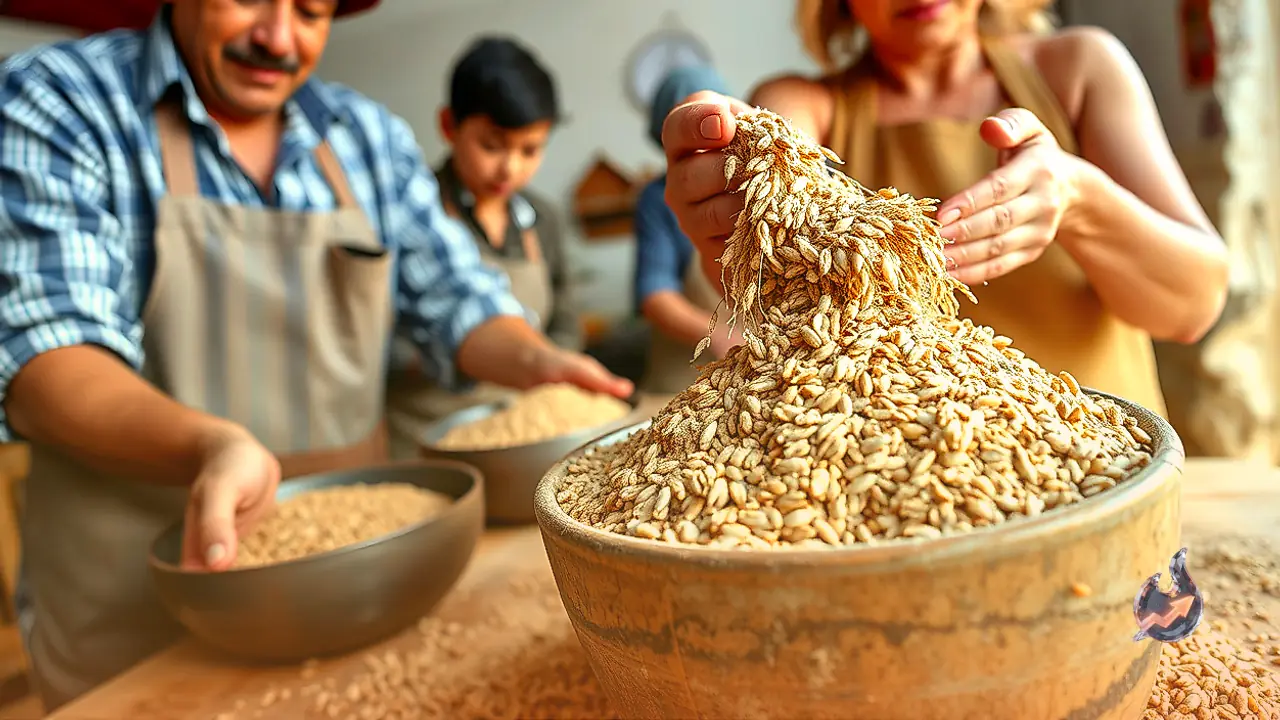


















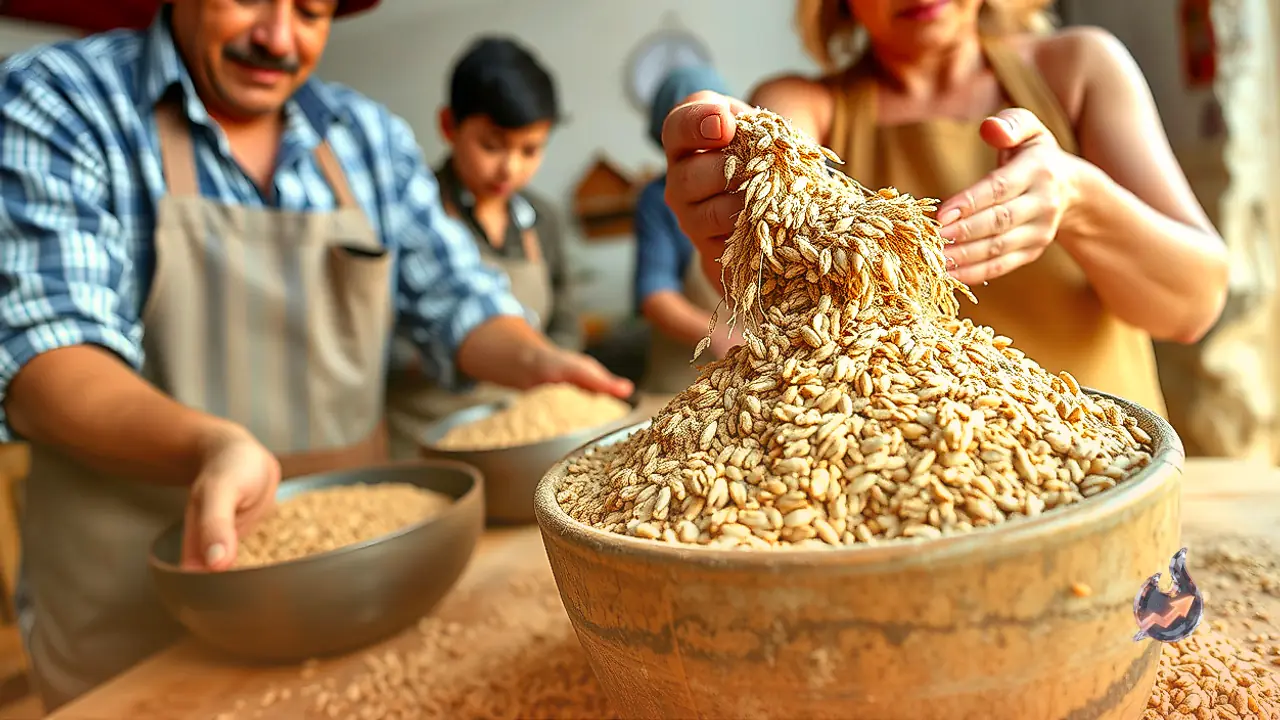

Switching from conventional plain wheat flour to homemade multigrain flour has become a preferred dietary choice for health-conscious households. By combining an assortment of whole grains and pulses, this composite flour delivers a well-rounded nutritional profile that includes carbohydrates, plant protein, dietary fiber, vitamins, and minerals. Incorporating this blend into daily meals supports efficient digestion, sustains satiety for extended hours, and offers a natural boost of balanced nourishment.
Selecting the Ingredients and Customizing the Blend
The foundation of a wholesome multigrain flour relies on a thoughtful mix of grains and legumes. Traditional staples such as wheat form the primary base, accompanied by barley, pearl millet, sorghum, maize, chickpeas, soybeans, finger millet, and flaxseeds. Depending on individual dietary requirements, taste preferences, or household needs, the exact proportions of each component can be adjusted flexibly.
Cleaning and Sun-Drying the Grains
The preparation begins with thorough cleaning to ensure optimal hygiene and purity. Every pulse and grain should be sorted carefully to eliminate small stones, dust particles, and any foreign debris. Once thoroughly inspected and cleaned, spread the entire batch under direct sunlight for 2 to 3 hours. Sun-drying extracts residual moisture completely, which is an essential step to prevent spoilage and extend shelf life.
Roasting Techniques and Milling Procedure
Following the drying stage, individual portions of barley, pearl millet, sorghum, maize, chickpeas, and soybeans should be gently roasted separately over low heat. Light roasting enhances the natural aroma and nuttiness of each ingredient while helping preserve the flour against moisture damage. It is crucial not to over-roast the ingredients, as excessive heat can compromise sensitive micronutrients. Allow all the roasted grains to cool down completely to room temperature.
Once cooled, combine the roasted elements with wheat, finger millet, and raw flaxseeds, mixing everything uniformly. This homogeneous mixture can then be milled at a local flour mill. If preparing in smaller batches, a heavy-duty home grinder can also achieve the desired fine consistency. After grinding, transfer the flour into a spacious basin and stir thoroughly so that all grain flours are evenly distributed. Finally, pack the flour into an airtight storage container and place it in a cool, dry spot.
Key Nutritional and Health Benefits
Due to its high dietary fiber content, multigrain flour actively assists the digestive tract and aids in alleviating constipation issues. The complex carbohydrate matrix supplies steady, prolonged energy throughout the day. From a nutritional standpoint, finger millet and pearl millet serve as exceptional sources of bioavailable calcium, while chickpeas and soybeans considerably elevate the overall protein value.
Furthermore, the inclusion of flaxseeds introduces beneficial omega-3 fatty acids, which play an important role in supporting cardiovascular wellness. The dense combination of fiber and quality protein prolongs fullness after dining, making it a valuable dietary aid for individuals aiming to regulate calorie intake and manage body weight.
Cooking Tips and Dietary Adjustments
Preparing flatbreads with multigrain flour involves minor adjustments to kitchen routines. Because varied whole grains absorb higher quantities of moisture than plain wheat, water should be introduced gradually in small amounts during kneading. Additionally, recipes can be tailored without difficulty; if any family member has specific grain sensitivities or food allergies, that particular ingredient can simply be omitted from the mixture.