






















A staple spice in Indian cooking, cumin enhances everything from lentil temperings and vegetable curries to raita and sweet delicacies. While most households purchase it off store shelves, it can also be cultivated directly in containers on a balcony when provided with favorable weather, proper soil composition, and sufficient sunlight. Developing fully mature cumin seeds generally requires a span of 100 to 120 days or longer, though the exact duration may fluctuate depending on local climatic conditions and planting methods. The Indian Council of Agricultural Research notes that specific early-maturing varieties can be ready in approximately 100 to 105 days.
Container Selection and Ideal Soil Mixture
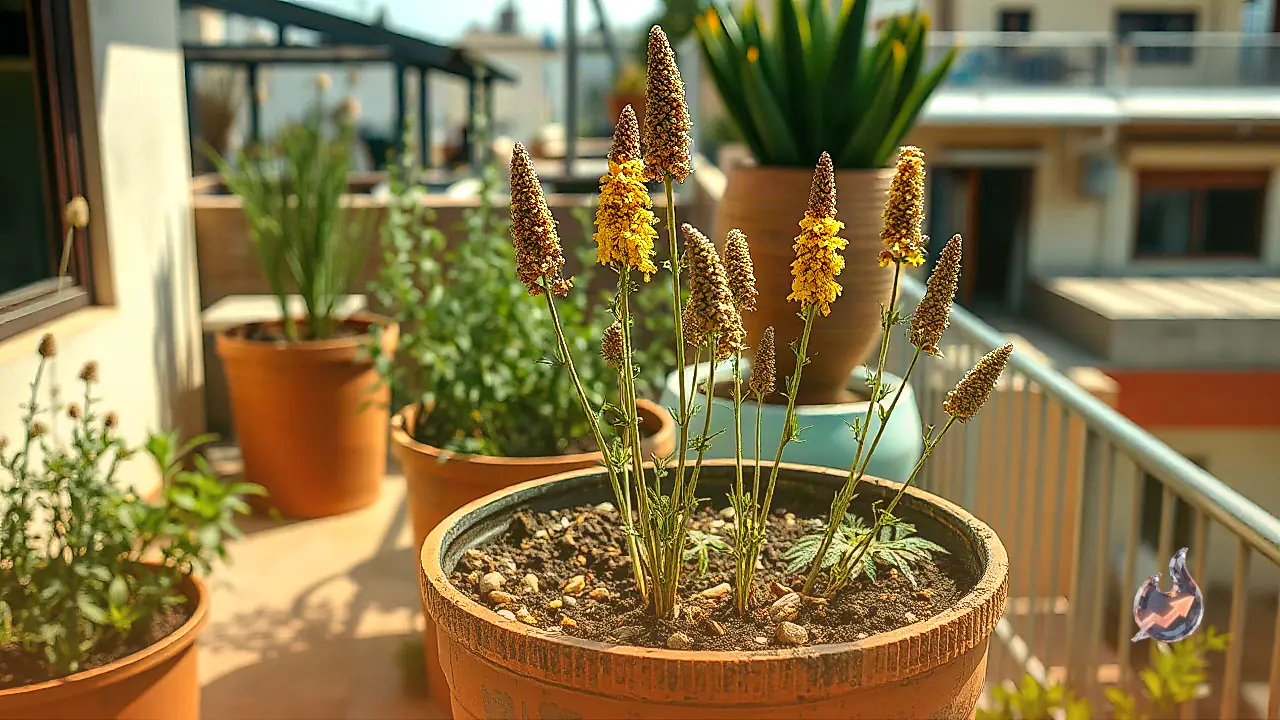
Cultivating cumin does not demand excessively large planters, but containers must feature functional drainage holes at the bottom to let excess water escape freely. Pots measuring around 8 to 12 inches deep work very effectively for this purpose. The growing medium should be crumbly, porous, and free-draining, with sandy or sandy-loam soil offering the ideal texture. A balanced soil mix can be created by blending ordinary garden soil with thoroughly decomposed farmyard manure or well-rotted compost.
Sowing Guidelines and Germination Care
Select high-quality cumin seeds and scatter them shallowly across the soil surface in the pot. Planting seeds too deep in the container can obstruct sprouting and prevent the emerging shoots from surfacing properly. Once the seeds are sown, mist or sprinkle a light shower of water over the soil bed to moisten it gently, and position the container in an area that receives adequate natural light.
Climate Requirements, Sunlight, and Moisture
Cumin plants thrive best in cool and relatively dry climatic conditions. For this reason, keep the container on a balcony spot that enjoys ample and direct exposure to natural sunlight throughout the day. Maintain moderate moisture within the soil, but never allow stagnant water to pool around the base. Overwatering remains a major hazard, as waterlogged conditions quickly lead to root rot and complete crop loss.
Nutrient Inputs and Weed Management
During the early vegetative stage, a small quantity of organic fertilizer or compost can be applied to aid initial growth. Frequent feeding is completely unnecessary for this crop. Additionally, any unwanted weeds that emerge within the container must be periodically removed by hand, ensuring that the main cumin seedlings do not have to compete against invasive plants for moisture and soil nutrients.
Maturity Indicators, Harvesting, and Drying
Reaching full harvest readiness typically requires an overall window of 100 to 120 days. Gardeners can tell that the crop is ripe when the green foliage begins turning pale yellow and the developed seed clusters take on a clear brownish tint. Once these signs appear, cut the plants, dry them thoroughly under the sun, and gently separate the dried cumin seeds from the stems.