





















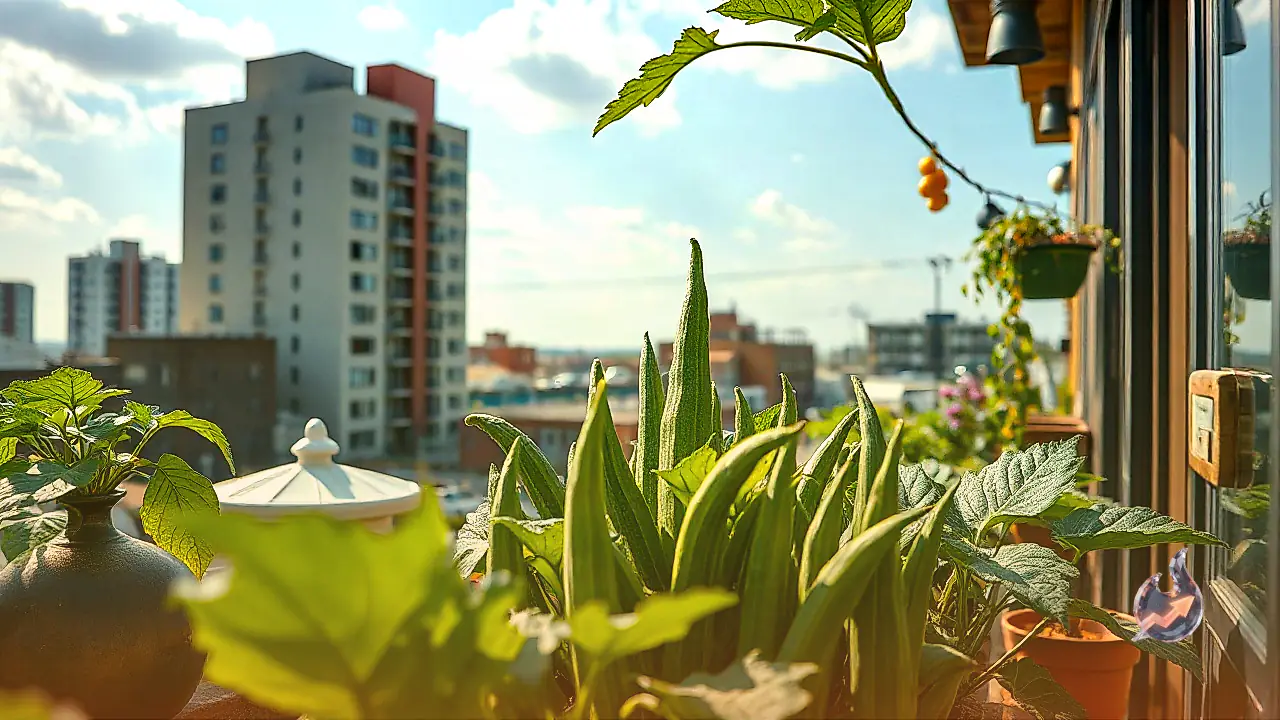

Okra ranks among the most popular and versatile green vegetables in everyday cooking, loved for its distinct taste and texture. While most households routinely purchase it from local vegetable vendors and grocery stores, growing it at home in simple containers is surprisingly straightforward. One of the greatest advantages of the okra plant is that it does not demand extensive garden beds or large open land. With consistent care and the right growing conditions, a single plant can produce multiple rounds of tender pods across its growing cycle. Achieving a bountiful harvest, however, depends entirely on choosing the right container, preparing nutrient-rich soil, providing adequate sunlight, and maintaining balanced watering practices.
Selecting the Right Container and Drainage
The first crucial step in cultivating okra at home is selecting an appropriate container or plastic pot. A container measuring at least 12 to 18 inches in depth is ideal to allow proper space for root expansion. It is essential to ensure that the base of the pot features functional drainage holes to let excess water escape freely. If the container is too shallow or cramped, the root system fails to develop properly, which directly curtails the overall height of the plant and severely reduces vegetable yield.
Preparing the Ideal Soil Mixture
Okra thrives best in loose, well-draining soil that prevents stagnation around the roots. An optimal potting mix can be prepared by blending standard garden soil with well-rotted cow manure compost or organic compost. Incorporating a modest portion of river sand or cocopeat into the mix significantly enhances its overall structure. This creates an airy, crumbly texture that facilitates smooth air circulation and keeps root systems well-aerated throughout the plant's life cycle.
Sowing Seeds and Speeding Up Germination
Starting with premium quality seeds is essential for robust plant development and higher yield. Soaking the seeds in clean water for a few hours prior to planting softens the outer coat and substantially accelerates the germination process. When planting, sow the seeds roughly 1 to 2 inches deep into the soil and cover them gently with a light layer of earth. Keep the soil evenly moist during this initial stage, taking strict care never to saturate or flood the pot.
Sunlight Requirements and Watering Routine
As a sun-loving crop, okra requires ample direct sunlight to flourish. Position the container in a location, such as an open balcony or terrace, where the plant receives approximately 6 to 8 hours of unfiltered sunlight each day. Generous sun exposure strengthens the plant's structural quality and actively stimulates healthy flowering and pod development. When watering, apply moisture only when the top layer of soil feels completely dry to the touch. Avoiding stagnant water in the pot is vital, as excessive moisture leads directly to root rot.
Fertilizer Management and Optimal Harvesting
To sustain steady vegetative growth, replenish the soil periodically with small, controlled doses of organic fertilizer or compost. Excessive feeding must be strictly avoided, as an overabundance of rich nutrients triggers rampant leaf foliage at the expense of vegetable pods. Under favorable seasonal conditions and attentive care, the plant begins producing pods shortly after the emergence of blossoms. Harvest the pods while they remain small, tender, and soft, as allowing them to become overly large and fibrous diminishes their culinary texture and flavor.