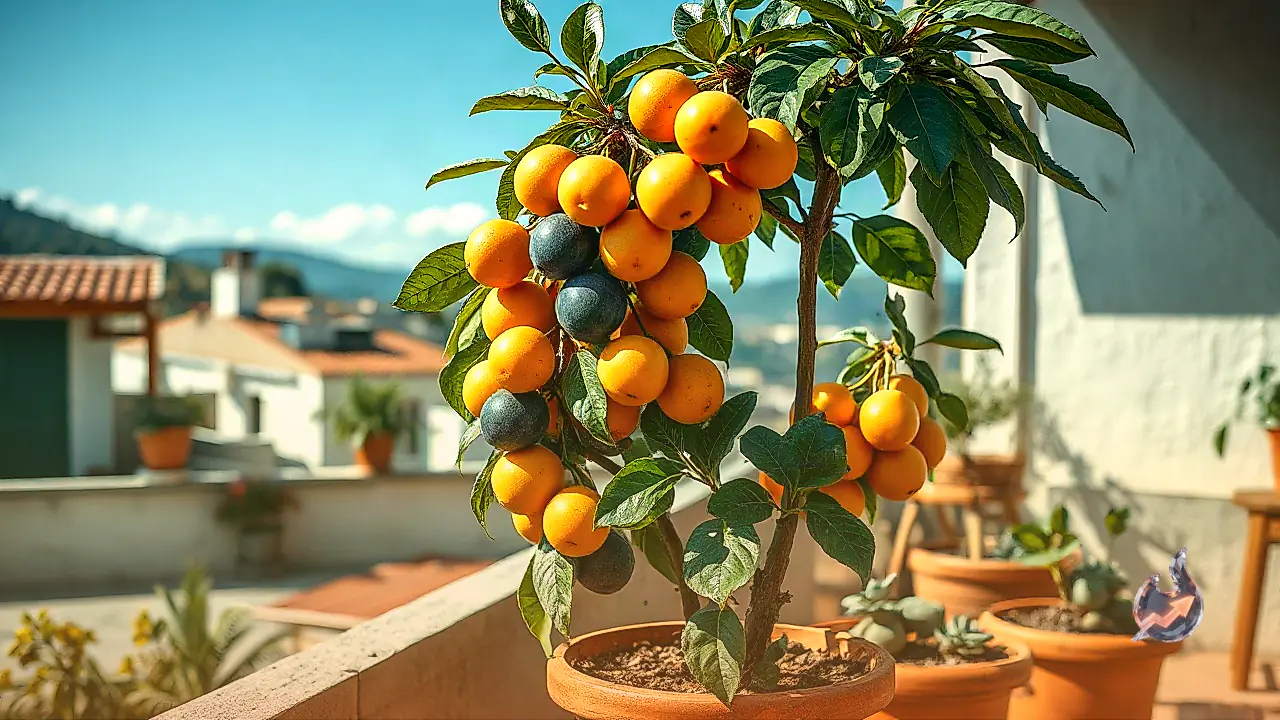

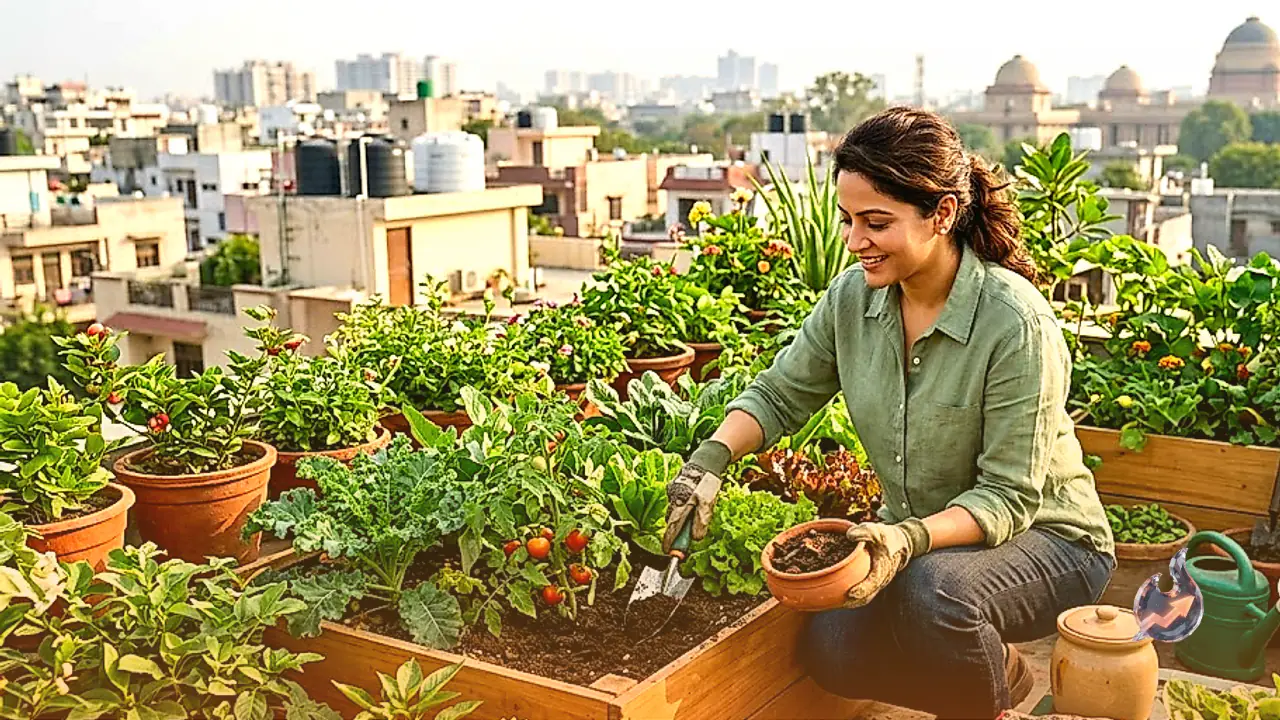






















Growing concerns over adulterated vegetables, fruits, and dairy products circulating in commercial markets have driven many households to take matters into their own hands. A growing number of urban residents now cultivate seasonal vegetables and edible plants in whatever space they can manage, including home rooftops, apartment balconies, and small backyard gardens. However, a significant gap remains in awareness regarding the right soil nutrition and fertilizers required for these domestic crops. Lacking proper guidance, home gardeners frequently resort to synthetic pesticides and chemical fertilizers to protect their harvest. What exacerbates the situation is the common and dangerous practice of plucking these chemically treated vegetables the very next morning for cooking, creating direct health hazards for consumers.
The Critical Health Hazards of Harvesting Right After Chemical Sprays
Senior Scientist Dr. RS Bana from the Indian Agricultural Research Institute stresses that chemical management requires extreme prudence, particularly in residential settings. Gardeners who apply chemical sprays to crops grown on terraces or in balcony pots must never harvest the produce the morning after an evening application. Toxic residues from synthetic pesticides cling to the skin and foliage of vegetables for an extended period. Ingesting produce immediately after treatment exposes family members to toxic chemical compounds that can cause severe harm to human well-being. Even if chemical interventions are applied, harvesting should only take place after several days have elapsed, allowing pesticide concentrations to break down and dissipate safely.
Turning Everyday Kitchen Scraps and Fallen Leaves into Organic Fertilizer
Instead of relying on harsh synthetic additives, home growers should consistently prioritize organic nutrition regardless of whether their crop yields are large or small. According to Dr. RS Bana, highly potent organic compost can be prepared easily at home without specialized infrastructure. Daily household kitchen refuse, specifically leftover vegetable peelings and discarded fruit scraps, provides an ideal base for nutrient-rich fertilizer. In addition, the dry leaves naturally shed by yard plants and potted vegetation can be accumulated and decomposed into compost. Applying this self-made compost to terrace beds and balcony planters nourishes edible plants naturally without introducing harmful chemical residues into the domestic food supply.
Diverse Organic Fertilizer Varieties and Access Through Government Centers
Organic inputs come in several distinct varieties, ranging from traditional cow dung manure to decomposed leaf mold and kitchen waste compost. For individuals unable to process their own compost due to space or time constraints, certified organic fertilizers can be purchased directly from the Indian Agricultural Research Institute at Pusa. The institute supplies a wide variety of lab-inspected, high-grade organic manures at official government-regulated rates. Gardeners can also source vetted, quality-checked organic fertilizers from local government agriculture centers in their vicinity, ensuring that the fruits and vegetables cultivated at home remain genuinely pure and safe for human consumption.
Protecting Air-Purifying Indoor Plants During Winter Air Pollution
As winter sets in and atmospheric pollution spikes across urban areas, many households turn to indoor greenery to filter ambient air and improve room freshness. Dr. RS Bana notes that these domestic indoor plants also require dedicated organic care rather than synthetic chemical nutrients. Nourishing indoor foliage with organic compost stimulates steady root development, enhances structural vigor, and prolongs the lifespan of potted greens. Healthy, organically fed houseplants not only survive longer indoors but also maintain optimal vitality to help purify domestic living spaces over the colder months.