





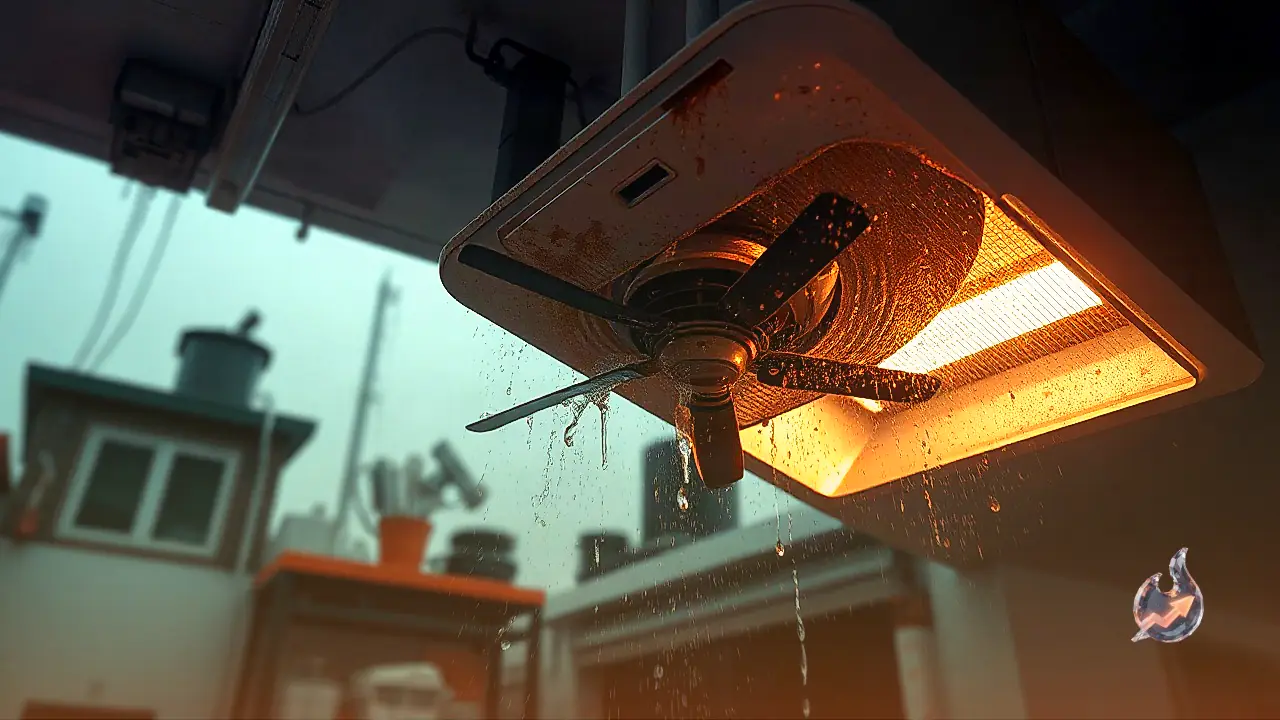
















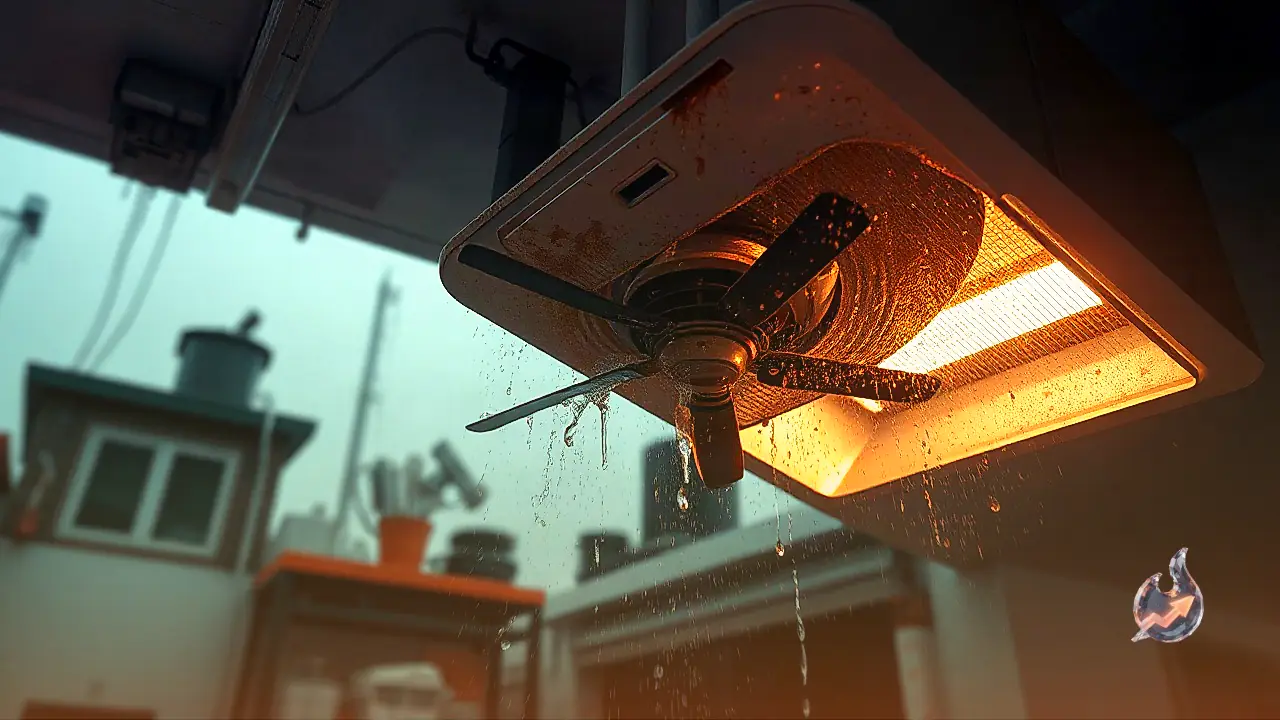

Exhaust fans are an essential fixture in modern homes to keep the air moving in bathrooms and kitchens, yet the units installed in cooking areas inevitably collect the most grime. Whenever spices are tempered or food is fried, tiny oil droplets rise alongside steam and hot smoke, gradually settling onto the outer mesh and spinning blades. Over time, this grease merges with airborne dust, forming a thick, stubborn sludge that severely impairs the appliance's air-moving capability. A clogged, greasy fan not only leaves stale odors lingering indoors, but the accumulated residue can also turn into an avoidable fire hazard.
Why Grease-Choked Exhaust Fans Demand Timely Care
As the oily coating hardens, the fan blades experience increased resistance, causing the motor to turn sluggishly or jam completely. Keeping the appliance clean and running smoothly requires prompt maintenance before the airflow drops off noticeably. Despite this necessity, household members frequently delay cleaning because scraping away aged, sticky kitchen grease is notoriously tiring, and ordinary soapy water barely makes an impact even after long minutes of hard scrubbing.
Skip Costly Store Chemicals for a Potent Kitchen Blend
Removing this tough layer does not require spending money on aggressive commercial cleaners or toxic degreasing sprays. According to Nandu Yadav, an electrician based in Azamgarh, common pantry staples can tackle the chore with great efficiency. An effective cleaning paste is prepared by combining baking soda with liquid dishwashing gel and a tiny splash of water until it reaches a thick consistency. The natural abrasive strength of baking soda paired with the concentrated degreasing agents in dish soap breaks apart tough cooking residues quickly.
Safe Step-by-Step Cleaning Application
Safety remains the top priority during this chore, so the electrical supply to the exhaust fan must be completely shut off at the main switch before touching any part of the unit to eliminate the risk of electric shock. Once the power is isolated, use an old toothbrush or cleaning brush to spread the thick paste evenly across the fan blades and the protective frame. Allow the applied coating to rest undisturbed for roughly 5 to 10 minutes.
During this waiting period, the cleaning formula softens and breaks down the crusted grease. After 5 to 10 minutes have elapsed, take a clean damp cloth and wipe the blades and mesh using gentle strokes. The softened soot and sticky grime will lift off effortlessly, leaving the surfaces entirely clean.
Saving Effort and Avoiding Appliance Dismantling
The primary advantage of this domestic routine is convenience: there is no need to unmount or unscrew the exhaust fan from the kitchen wall or window frame. Homeowners can skip calling a professional repair technician or electrician, avoiding labor fees and lengthy service visits. Within minutes and without extra expenditure, the kitchen exhaust fan looks refreshed and regains its full suction speed.