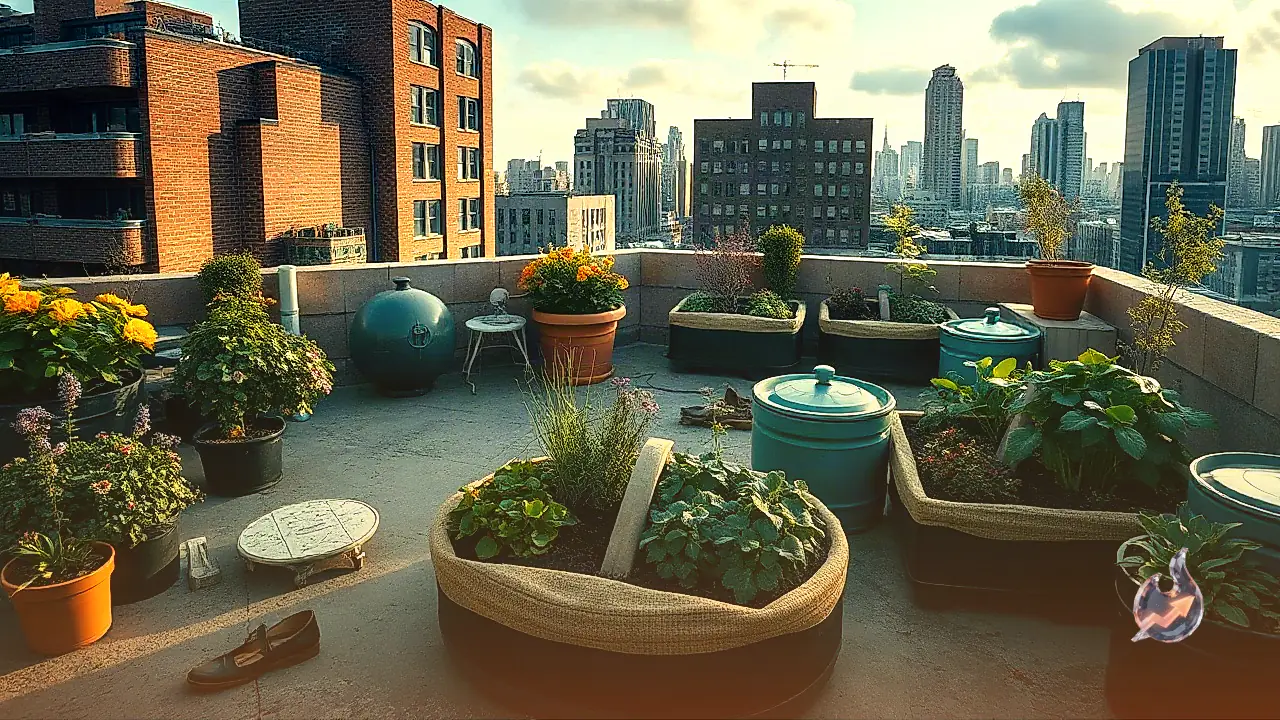




















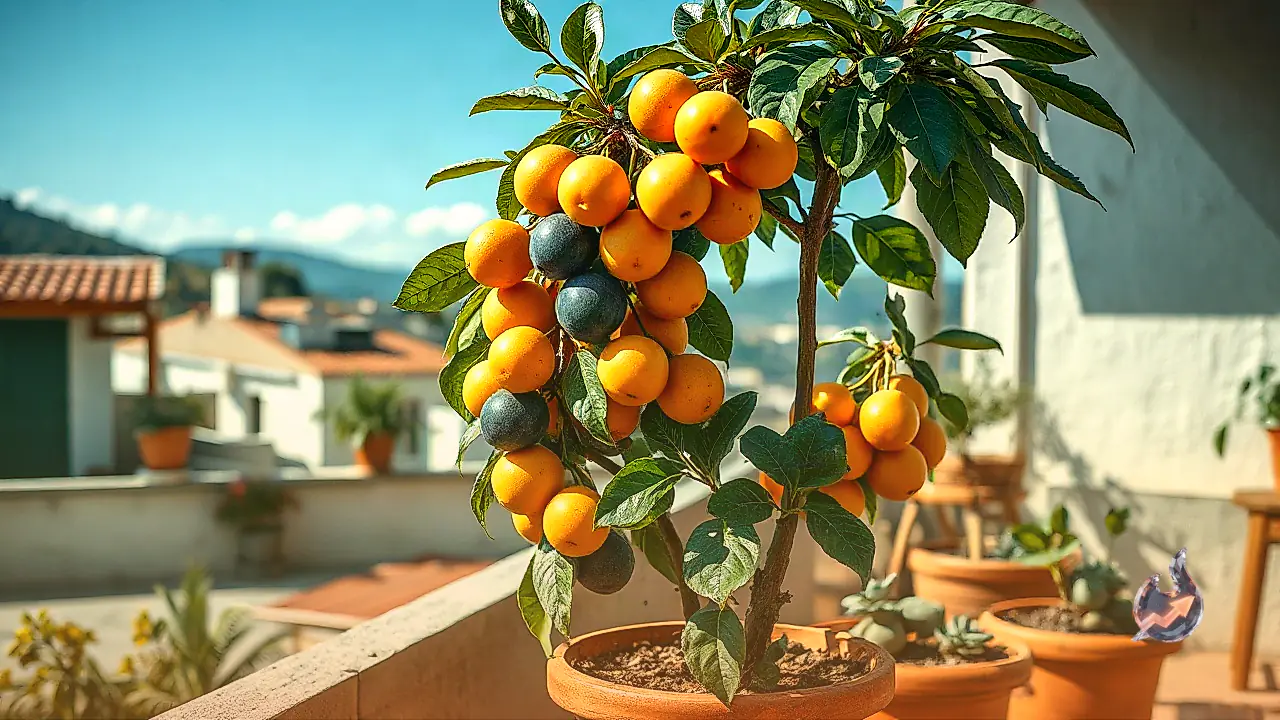

Growing fruit-bearing plants in urban settings is often constrained by a lack of ground space, but cultivating karonda presents an exceptionally practical solution for passionate home gardeners. Known for its resilient and shrubby nature, karonda can thrive effortlessly in large containers or pots placed on rooftops, open terraces, and wide balconies. Once the plant establishes a firm root foundation, it becomes remarkably prolific, yielding generous quantities of tart, crisp fruits season after season within a compact footprint.
Selecting the Right Container and Drainage Foundation
The journey of growing karonda on a terrace starts with picking an appropriately sized growing container. Because karonda develops an expansive root structure over time, cramping it into a shallow or tiny pot will severely stunt its vegetative growth and reduce fruit potential. Horticulture expert Imran emphasizes that selecting a spacious pot from the very beginning provides the roots with ample room to spread and anchor securely.
Proper drainage is equally vital when choosing a container. The pot must feature functional drainage holes at the base to prevent stagnant water from suffocating the root zone. Home growers can opt for traditional terracotta pots, durable cement planters, or sturdy fabric grow bags. Heavy and stable pots offer the added advantage of keeping top-heavy mature shrubs steady against strong terrace winds while shielding root systems from rapid temperature fluctuations.
Formulating an Aerated and Nutrient-Rich Soil Blend
The subterranean health of the karonda shrub relies almost entirely on the quality of its potting mix. This plant demands a growing medium with superior drainage capabilities, as soil that retains excessive moisture for prolonged periods can quickly trigger root decay.
To build an optimal potting mixture, combine garden soil with thoroughly decomposed farmyard manure or organic compost to supply steady nourishment. Incorporating coarse sand or other porous organic matter helps keep the mixture loose, airy, and friable. When filling the container, press the soil down gently rather than packing it too tightly, ensuring sufficient aeration pockets remain intact for healthy root respiration.
Sourcing, Transplanting, and Initial Care
Acquiring a healthy sapling from a trusted plant nursery is the most dependable way to establish a karonda bush. During the transplantation stage, delicate handling is critical to ensure the root ball remains undisturbed and completely undamaged.
Scoop out a central hole in the prepared potting mix roughly matching the dimensions of the nursery root ball. Position the sapling upright in the center, backfill the cavity with soil, and gently firm the surface around the stem to eliminate large air pockets. Water the freshly planted sapling thoroughly right after planting, and place it in a bright spot with good air circulation and filtered sunlight for the initial settling phase.
Sunlight Demands and Balanced Watering Practices
Abundant direct sunshine is the primary engine driving karonda's vegetative vigor, flowering, and fruit development. The pot should occupy an unshaded location on the rooftop or terrace where it can receive uninterrupted sunlight for the greater part of the day. Keeping the shrub in persistent shade results in sparse foliage, weak shoots, and a drastic drop in blossom and berry set.
Water management for potted karonda requires careful observation rather than a rigid calendar schedule. Excess moisture pooling in the container is detrimental to the plant. Gardeners should check the top layer of soil with their fingers and apply water only when the surface feels dry to the touch. Water demands rise during scorching summer heatwaves due to rapid evaporation, necessitating frequent checks, while supplemental watering should be strictly halted during heavy monsoon spells to preserve root integrity.
Pruning Regimen and Sustained Plant Maintenance
Routine pruning is essential for maintaining an orderly plant structure and encouraging continuous fruit production. Periodically inspect the bush to prune away dead, weakened, crossing, or diseased branches. This systematic thinning opens up the canopy to direct sunlight and fresh airflow, directly stimulating the growth of fresh lateral shoots that produce blossoms.
Periodic applications of well-cured organic compost can be added to nourish the soil ecosystem according to the plant's seasonal needs. Always inspect the soil texture prior to feeding and avoid over-fertilization. By pairing an ample pot with aerated soil, rich sunshine, and measured hydration, gardeners can easily cultivate a flourishing karonda shrub that turns an ordinary terrace into a productive fruit-bearing haven.