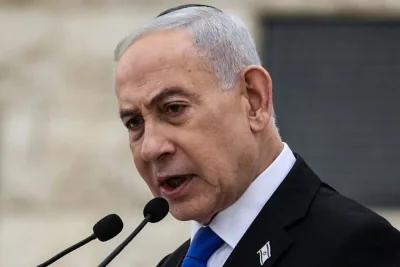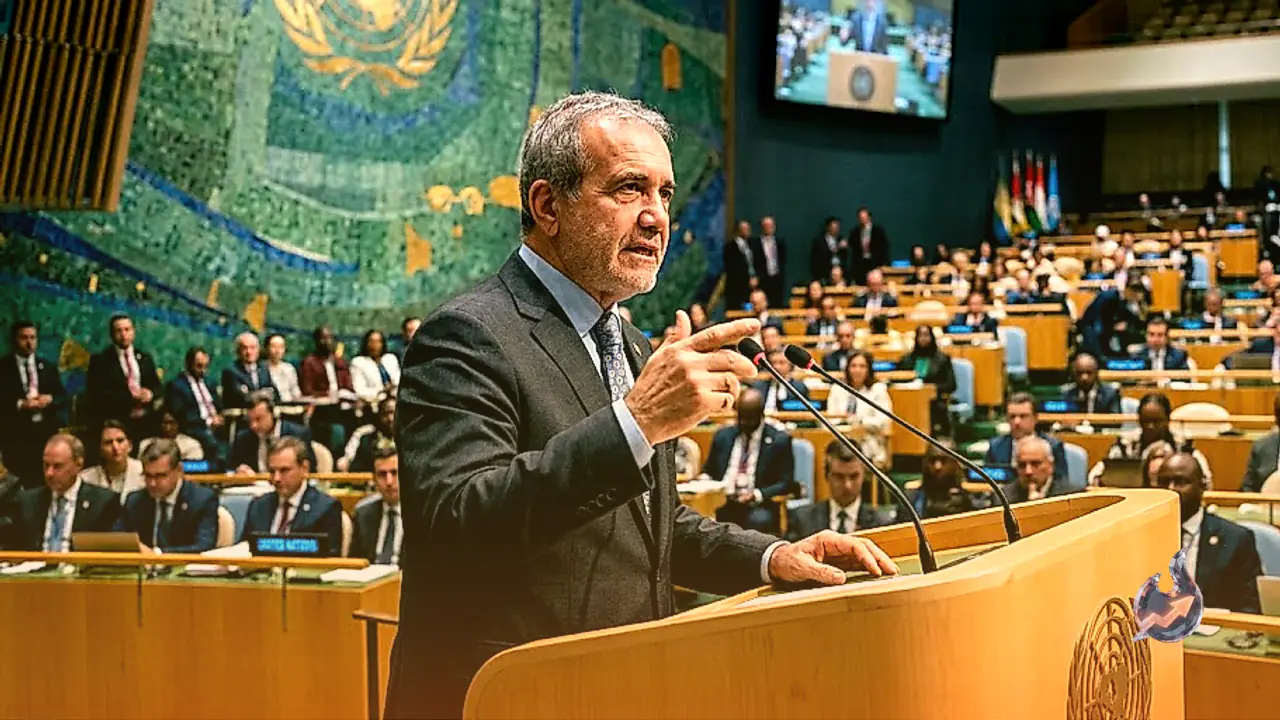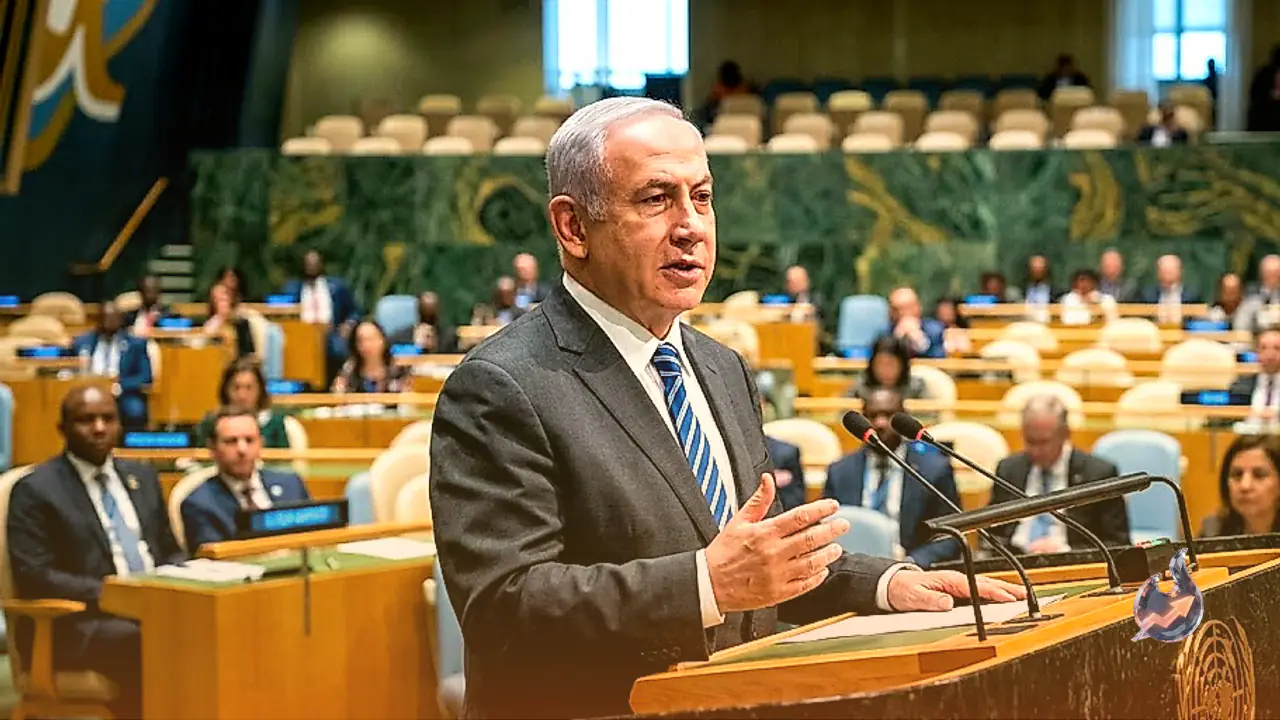






















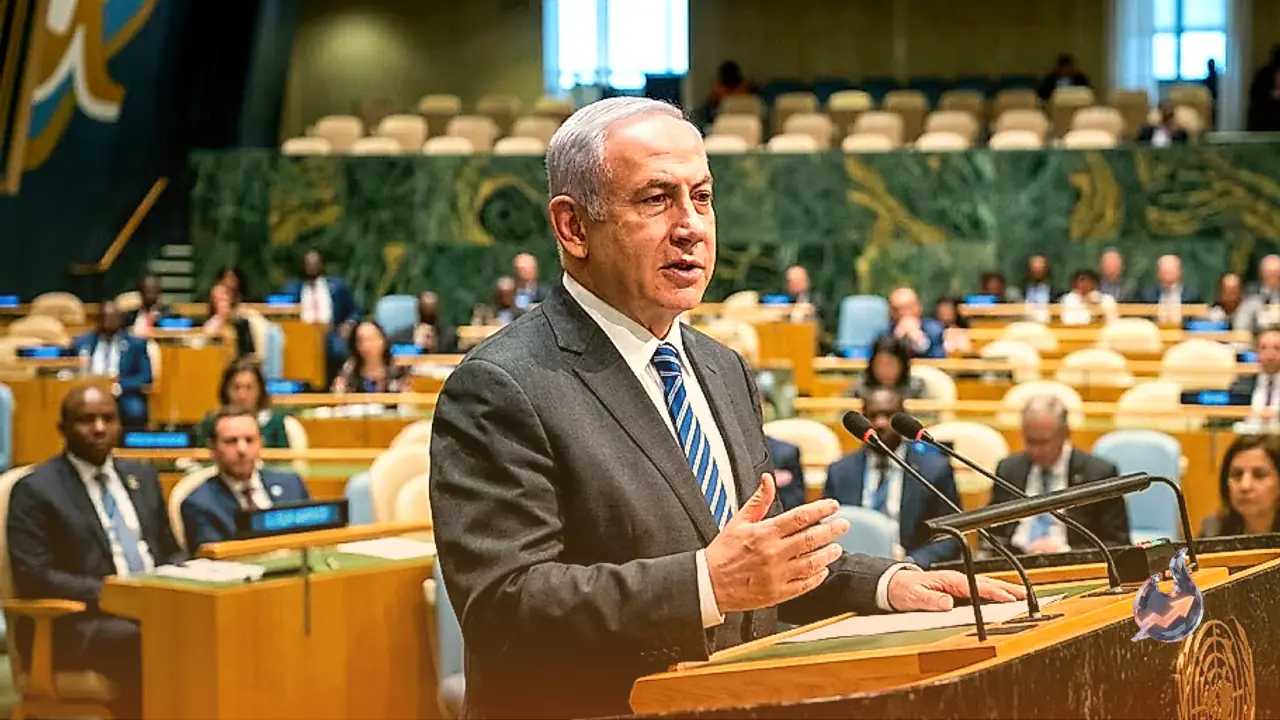

Addressing the United Nations General Assembly, Israeli Prime Minister Benjamin Netanyahu presented a defiant defense of his nation's continuing military campaign across the Middle East. Standing before international delegates, Netanyahu argued that the offensive against Hamas in Gaza is not merely a political decision, but a fundamental fight for national survival. To explain the deep-rooted military philosophy guiding his decisions, he reached back decades into his personal past, recounting a critical conversation with his late elder brother whose final words became an enduring doctrine for the country.
The Looming Threat of 1967 and Preparations for Collective Graves
During his address, Netanyahu reflected on the harrowing period immediately preceding the 1967 Six-Day War. At the time, he was a seventeen-year-old student living in Philadelphia in the United States. Israel found itself surrounded by imminent danger as the combined military forces of Egypt, Syria, and Jordan stood mobilized along its borders. The peril of total destruction appeared so severe that municipal authorities inside Israel were already digging mass graves in public parks to bury citizens in anticipation of catastrophic losses.
Just five days before the outbreak of open hostilities, young Netanyahu returned home to an anxious country enveloped in nightly blackouts and gripped by tense silence. Amid this atmosphere of dread, he traveled to locate his twenty-one-year-old brother, Yonatan Yoni Netanyahu, who was serving as an officer in a paratrooper unit of the Israeli military.
A Cup of Coffee in Ramla and a Lasting Philosophy
The reunion took place within the citrus groves surrounding Ramla, where army tents had been pitched amid the trees. As the two brothers embraced and shared coffee brewed in a standard military kettle, the younger Netanyahu voiced the deep uncertainty tormenting the nation, asking what would happen to them and how the crisis would unfold.
Yoni paused, looked directly at his brother, and uttered words that would permanently shape Netanyahu's outlook on military confrontation. He insisted that Israel would win because it had no other choice. According to Netanyahu, that brief declaration grew into the foundational rule of Israel's defense mindset. In his view, defeat would mean the complete annihilation of the country, rendering victory a matter of existential necessity rather than an optional preference.
The Entebbe Raid and the Sacrifice of Yoni Netanyahu
Netanyahu stressed to the assembly that his brother's conviction was proven on the battlefield. In 1976, when Palestinian terrorists hijacked an Air France flight and diverted it to Entebbe Airport in Uganda, Yoni Netanyahu was appointed commander of the elite commando rescue mission.
The hijackers separated Jewish passengers from other travelers and threatened them with execution. Flying thousands of miles from Israeli territory into the heart of Africa, the commando force executed a daring raid that liberated 103 Jewish hostages from mortal danger. However, that triumph came at a devastating personal price for the Netanyahu family, as Yoni was the sole Israeli soldier killed during the entire rescue operation.
October 7 Attacks and the Determination to Defeat Hamas
Forty-seven years after that rescue at Entebbe, on October 7, 2023, Israel suffered the deadliest terror attack in its history when Hamas militants breached the border, killing more than 1,200 people and seizing hundreds of hostages. At the United Nations, Netanyahu linked that massacre directly to the existential crises of 1967 and 1976.
He noted that as foreign governments increase diplomatic pressure on Israel to agree to a ceasefire, he remains guided by his brother's uncompromising philosophy. Netanyahu argued that halting operations prematurely would allow Hamas to regroup and carry out similar attacks in the future. Consequently, he framed the complete dismantle of Hamas as an inescapable duty to protect subsequent generations rather than an optional posture.
Defying Global Pressure and Managing Domestic Strife
This unwavering stance sends distinct signals across multiple fronts. To the United States, European nations, and international bodies, it serves as a refusal to halt operations due to external diplomatic intervention. Netanyahu emphasized that the nation intends to pursue its goals regardless of external demands.
Simultaneously, the posture acts as an explicit warning to regional adversaries including Hamas and Hezbollah, signaling that Israeli forces will contest threats to the bitter end. Domestically, Netanyahu faces intense scrutiny and public protests over the fate of hostages still held in Gaza and calls for a negotiated settlement. By invoking his family's personal sacrifice, he seeks to persuade the Israeli public that compromise on core defense principles is impossible. The five words spoken fifty-seven years ago in an orchard near Ramla continue to serve as the blueprint for his governance and wartime strategy.