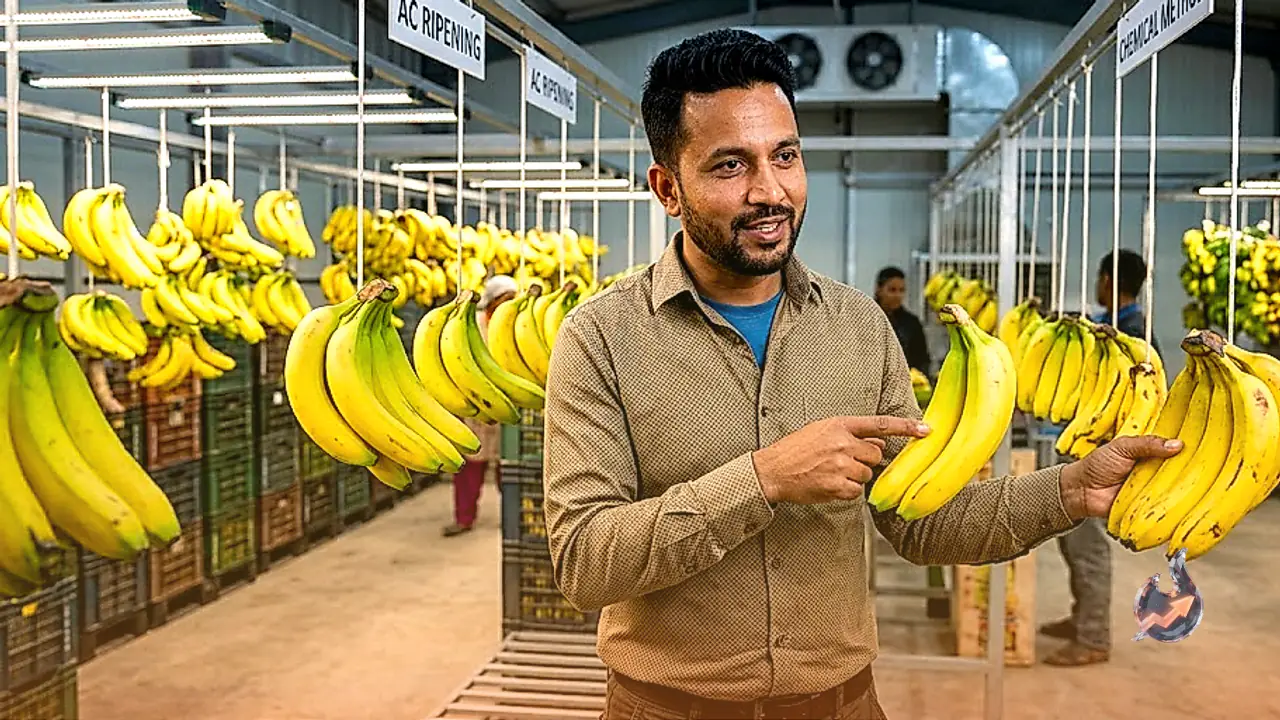
























Plant lovers seeking to shield their home gardens from synthetic chemicals and expensive store-bought fertilizers frequently rely on homemade kitchen remedies. Among these, banana skins remain a popular choice due to their high natural potassium content. However, a common mistake many gardeners make is tossing fresh peels directly on top of potted soil or simply burying whole skins underneath the surface. Far from providing an effortless nutrient boost, this unprocessed habit exposes delicate houseplants to serious pest infestations and fungal damage that can quickly wither thriving foliage.
Why Tossing Unprocessed Peels Harms Soil and Root Systems
Fresh banana skins retain a high level of moisture alongside natural plant sugars. When dropped straight into a container without prior treatment, these sweet residues rapidly attract foraging ants, fruit flies, and airborne mold spores as the matter begins to decompose. Within days, what was meant to be nourishment turns into a breeding ground for persistent pests inside the container.
Even more dangerous is the heightened risk of root rot. As bulky organic matter decays in damp soil, aggressive bacteria and mold colonies proliferate, attacking fragile root hairs that sit directly beneath the surface. Furthermore, the limited microbial ecosystem in a standard pot takes a very long time to break down tough, fibrous skins. This sluggish decomposition means the plant fails to absorb any immediate nourishment, while the ongoing rotting process suffocates underground root networks.
How to Brew a Quick Nutrient-Rich Liquid Fertilizer
Gardeners do not need to discard banana peels entirely, as they remain an exceptional organic source of essential potassium, phosphorus, and calcium. The key lies in changing the preparation method. The simplest and quickest approach is brewing a mild liquid feed. Chop three to four peels into small segments with a kitchen knife, place the cuttings into a container with one liter of fresh water, and let them steep undisturbed for two to three days.
Over this period, the soaking water changes color to a deeper shade, confirming that vital minerals have leached out into the solution. Strain the liquid thoroughly to separate the spent solid fragments, then pour the enriched tea directly around the base of your plants. This liquid tonic is readily assimilated by root systems, offering an immediate dose of energy without creating lingering decay inside the container.
Sun-Drying Peels into a Long-Lasting Organic Powder
For gardeners looking for steady, slow-release nourishment, turning banana skins into a fine powder provides an ideal, pest-free alternative. Gather your discarded peels and lay them out under strong sunlight until every trace of moisture evaporates and the pieces turn completely brittle. Once thoroughly dry, transfer the hardened shards to a kitchen grinder and blend them into a fine meal.
To apply, sprinkle a single tablespoon of this dry powder into each pot once a month, gently loosening the topsoil so the meal distributes evenly. Because the organic matter is completely dehydrated, it removes any danger of attracting insects or harboring fungal decay. As the soil is periodically watered, the powder releases potassium, phosphorus, and calcium gradually, nourishing the plant across several weeks.
Composting Safely and Essential Garden Care Rules
Those who maintain an outdoor kitchen compost bin can also recycle banana peels seamlessly. Mixing chopped peels alongside dry leaves, garden clippings, and other household organic waste allows them to break down fully through aerobic decomposition. Once completely cured, the resulting compost enriches garden soil safely, with zero threat of souring or drawing pests.
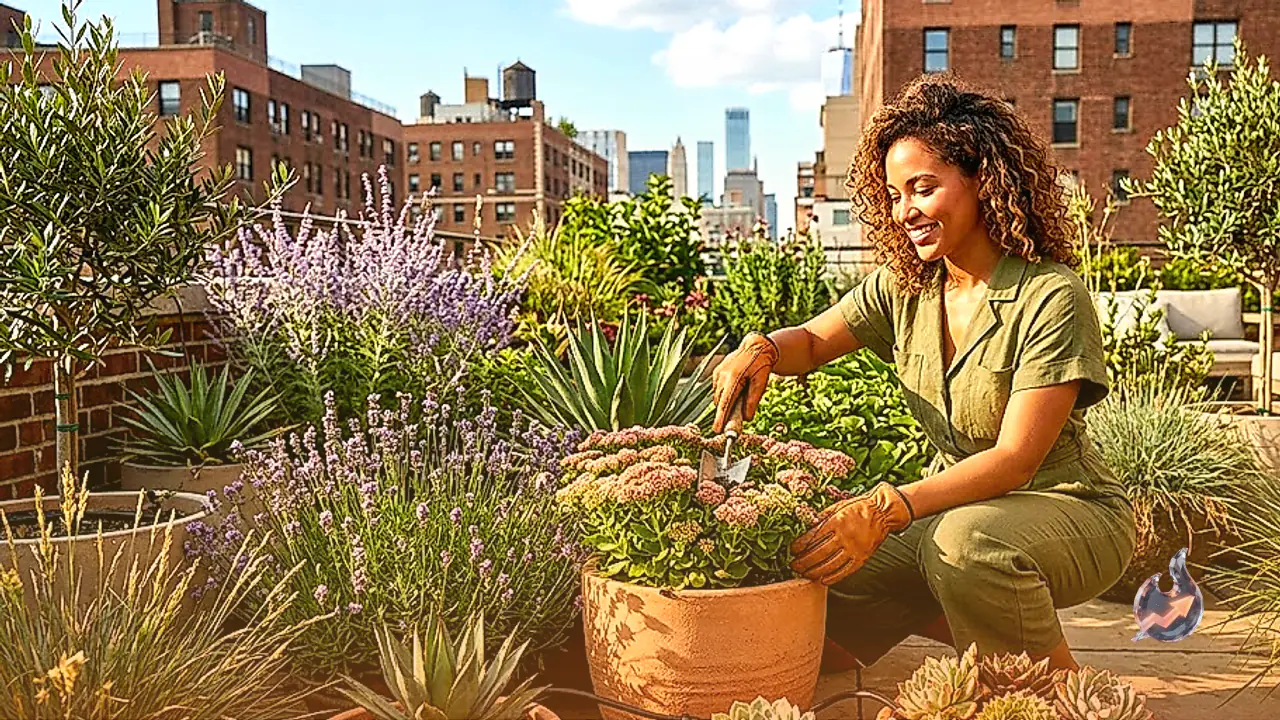
Whenever feeding potted greens, observing two fundamental precautions ensures optimal plant vigor. First, always aerate the top layer of soil with a small hand cultivator before applying any fertilizer, as this improves oxygen circulation and helps roots absorb nourishment effectively. Second, avoid overfertilizing, as an excess of even organic nutrients can stress container plants. Using modest, calculated portions safeguards root health while sustaining lush, vibrant growth throughout the growing season.