





















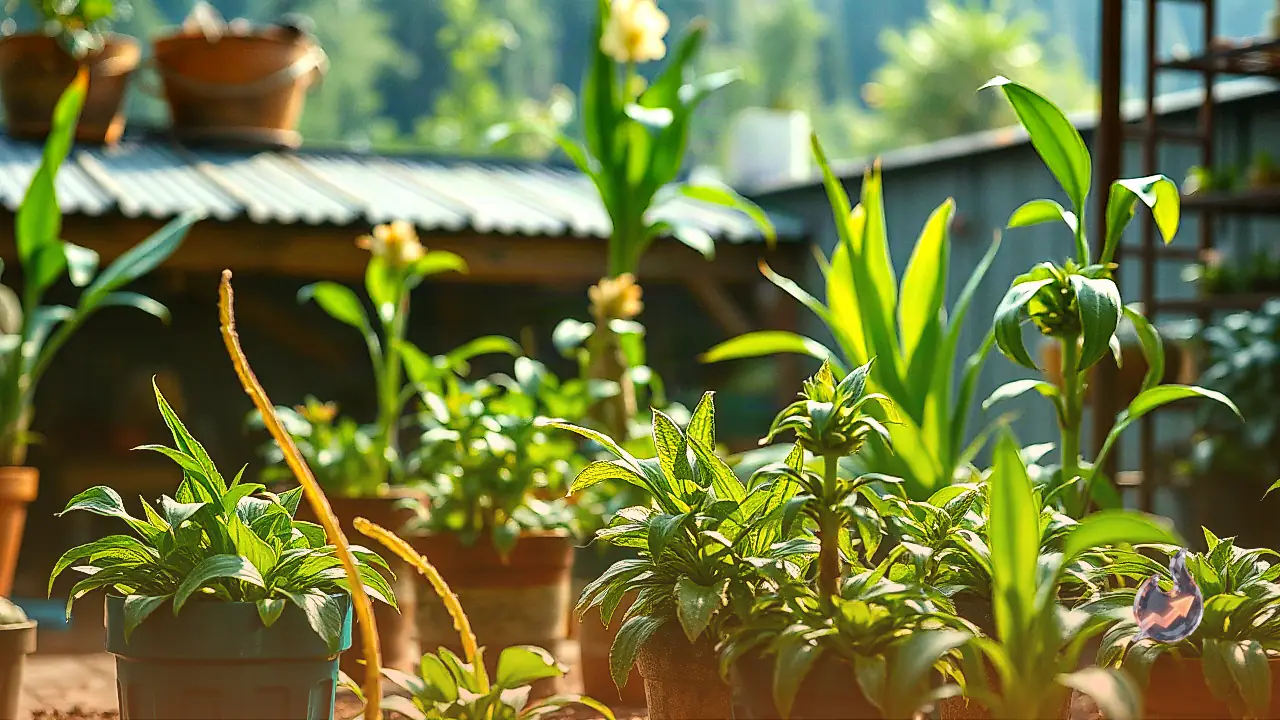

When potted plants at home suddenly begin to droop, their lush foliage turns pale yellow, or overall growth stalls, plant owners often rush to garden centers to buy expensive commercial fertilizers. However, effective remedies capable of supplying essential nourishment are already sitting right inside household kitchens. Everyday kitchen staples and cooking leftovers such as potatoes, onions, garlic, bananas, lentils, rice, and leftover liquid from homemade paneer can easily be converted into potent homemade liquid feeds. Utilizing these simple household resources not only restores plant vitality without extra shopping trips, but it also provides a gentle, sustainable boost to potted soil.
Extracting Nutrients from Onion and Garlic Peels
The dry outer skins of onions and garlic are almost universally discarded as kitchen waste. Instead of throwing them away, these clean skins can be collected in a clean vessel and submerged in roughly one liter of fresh water. After allowing the skins to soak for a period until the water absorbs their valuable compounds, strain the mixture thoroughly to remove the solid debris. The strained liquid retains vital nutrients that directly aid plant development when applied to the soil.
Proper technique is critical when applying this peel-infused liquid. Gardeners must avoid making the solution excessively thick, as concentrated mixtures can overwhelm sensitive root systems. Keep the liquid light and diluted. Pour the solution directly onto the soil rather than spraying it across delicate foliage. Furthermore, never pour this fertilizer into a pot if the soil is already soggy or waterlogged. Wait until the top layer of the soil feels slightly dry before giving a mild dosage. When testing this mixture for the first time, begin with a small portion to observe how the plant responds. If leaf tips exhibit signs of burning or distress, discontinue its use immediately.
Mineral-Rich Unsalted Potato Boiling Water
The water left behind after boiling potatoes offers another straightforward source of nutrition for garden pots. As potatoes cook, minerals seep into the surrounding hot water, creating a nutrient-infused base that can support plant health. However, a strict prerequisite applies: the water must contain absolutely no salt. Salt accumulation in container soil damages root structures and impairs moisture uptake.
Allow the plain, unsalted boiled potato water to cool down completely to room temperature before pouring it into the soil. Pouring warm or hot liquid will scorch roots. Freshness is equally important; use the cooled water promptly rather than letting it sit in open pots for days, which can invite unwanted bacterial fermentation or mold growth.
Lentil and Rice Rinse Water for Soil Enrichment
In everyday cooking routines, pulses and rice grains are washed thoroughly before being boiled or steamed. The cloudy water produced during this rinsing step is often sent straight down the drain, but it can easily be captured in a clean bowl for garden use. This rinse water contains light starches and fine nutrients that benefit potted soil composition and plant roots.
Apply this rinse water while it is completely fresh. Never pour old rinse water that has been sitting around for multiple days or has begun to develop an unpleasant sour odor into plant pots, as stagnant liquid damages container ecosystems. For smaller containers, avoid flooding the root zone; introduce only small, sensible quantities in proportion to the pot size.
Potassium Boost from Dried Banana Peel Powder
Banana peels rank among the most nutrient-dense kitchen scraps for container gardening due to their substantial potassium content along with other essential minerals. To make a practical liquid feed, dry the collected banana peels thoroughly under the sun until they become crisp. Once dried, grind them into a fine powder using a kitchen mixer.
To administer this feed, dissolve a modest spoonful of the ground powder in water to create a mild liquid suspension. Pour this mixture into the potted soil to support root development and overall plant strength. Ensure the mixture is not kept overly dense or applied with excessive frequency. A light, measured dose tailored to the plant's current stage of growth yields the healthiest outcome.
Diluted Paneer Whey for Added Minerals and Calcium
When curdling milk to make homemade paneer, the separated cloudy liquid left behind, commonly called whey, holds a concentration of proteins, calcium, and minerals. Because this liquid is inherently rich, it should never be poured directly onto house plants at full strength. It must always be diluted generously with plain water to make a thin, mild liquid before administering a modest quantity to the potting soil.
Gardeners must also verify that the milk was curdled without any added table salt, seasonings, or spices. Salty or spiced whey will rapidly dehydrate plant tissues and harm the soil biome. With any kitchen-derived fertilizer, starting with conservative amounts is always the safest approach. Combined with adequate sunlight, balanced watering, and well-draining soil, these natural kitchen liquids can help revive wilting greens and encourage vibrant foliage.