





















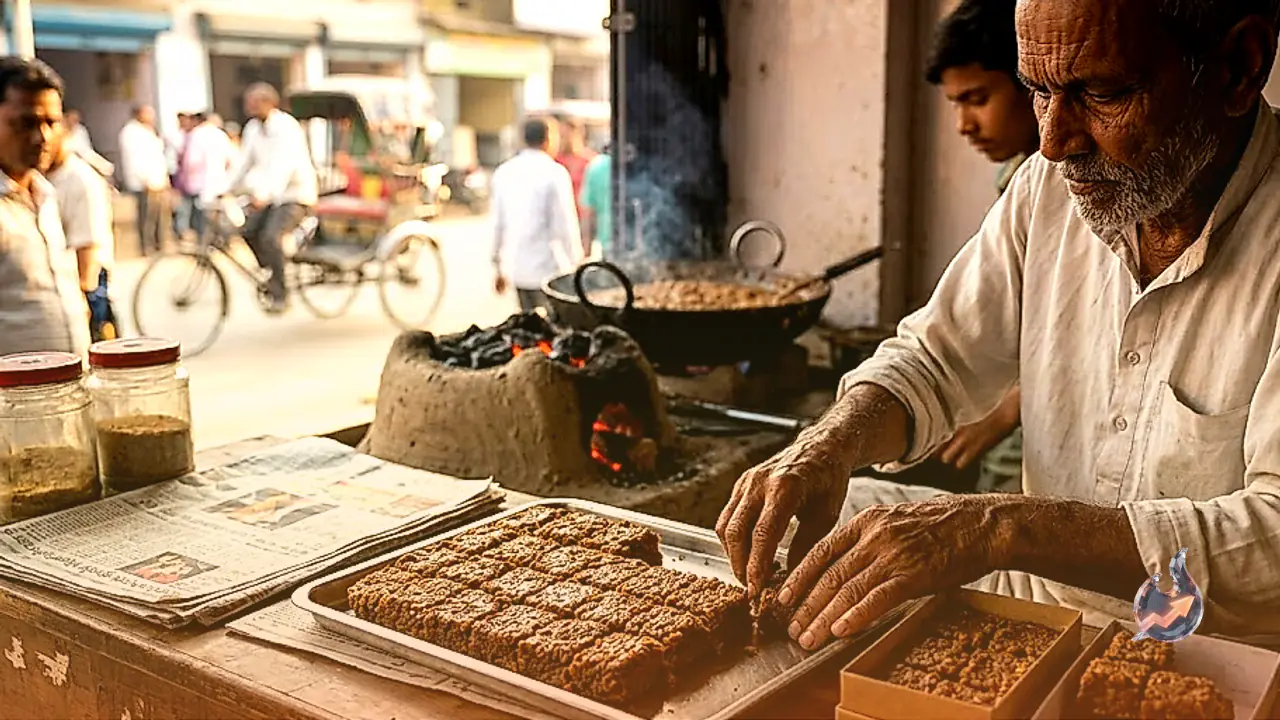

In the Basant Bazar area of Garkha block in Chhapra district, there exists a sweet shop that has garnered immense fame for its signature Kalakand. This traditional delicacy is prepared using Khoya (thickened milk) extracted over the slow, steady heat of a coal fire. Currently, the business is being managed by the second generation, with Bablu Prasad and his son working together to maintain the long-standing quality that has defined their shop for years.
A Five-Decade Culinary Legacy
The history of this establishment spans over 50 years, tracing its roots back to its founder, Shambhu Prasad. Regular patrons often remark that the distinct taste experienced decades ago remains unchanged today. This consistency in flavor is the primary reason why even the oldest customers continue to frequent the shop. Jayprakash Singh, a long-time customer, recalls visiting the shop as a child with his father, and even today, he finds that the quality and taste remain perfectly preserved, just as they were during the time when Shambhu Prasad himself crafted the sweets.
The Secret of Purity
Known across the entire district as Shambhu Misthan Bhandar, the shop is renowned for its strict adherence to purity. Bablu Prasad explains that they procure pure milk from surrounding rural areas, which is then processed on coal fires to extract the freshest Khoya. To elevate the flavor profile, essential ingredients like cardamom, raisins, and cashews are carefully added. The owners emphasize that despite the proliferation of larger commercial establishments, their commitment to pure ingredients ensures that their product remains superior in taste and quality, fostering deep trust among the local population.
From Local Streets to Dubai
The reputation of this shop has extended well beyond the borders of the district, reaching international destinations. Bablu Prasad shared that the demand is so high that locals often purchase the sweets to carry them abroad. Just recently, a customer bought three kilograms of Kalakand to take to Dubai. By prioritizing cleanliness and traditional preparation methods, the shop has secured a loyal customer base. Even as a small-scale operation, it commands a level of trust that many larger stores fail to achieve, proving that quality and dedication remain the most important ingredients for success.