


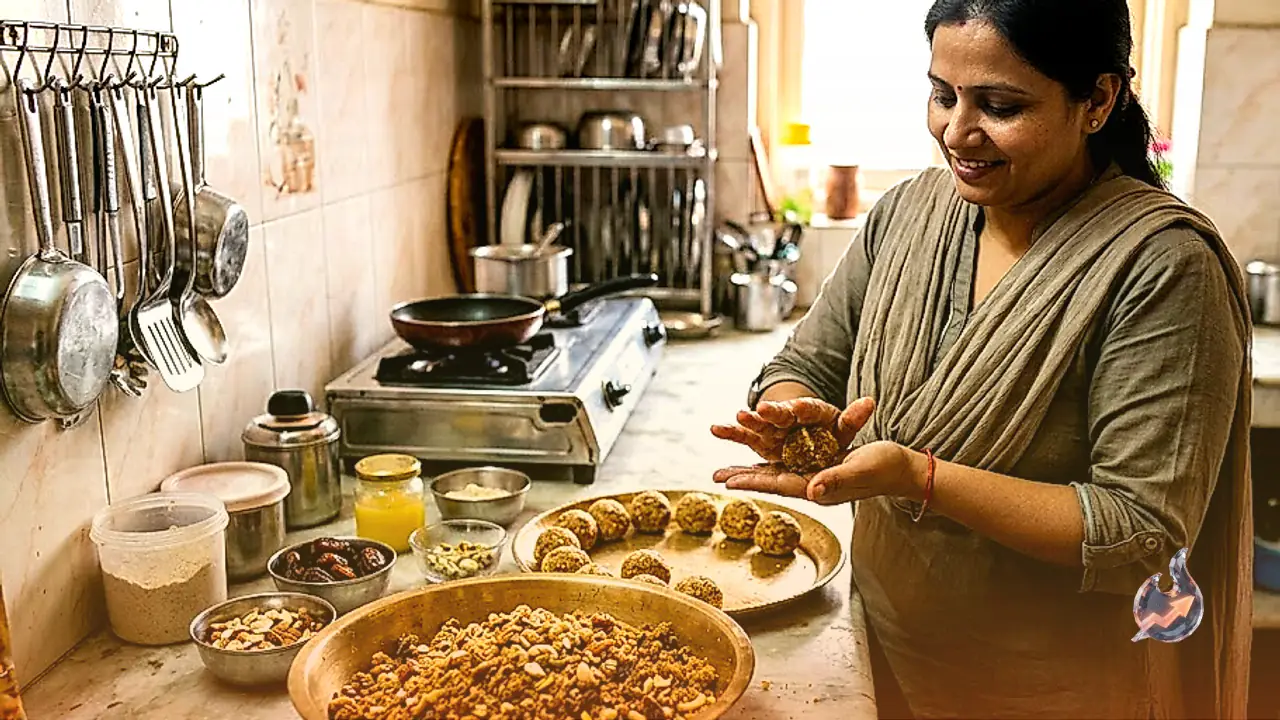






















Essential pantry staples such as turmeric, coriander seeds, cumin, red chili, and garam masala define traditional cooking by imparting vibrant colors, rich flavors, and valuable nutritional benefits to everyday meals. However, improper handling and careless storage often lead to a rapid loss of their essential aromatic oils, characteristic hue, and robust taste. By adopting several simple yet highly effective preservation techniques, households can significantly extend the usable lifespan and culinary potency of their spice collections.
Preserve Aroma Using Airtight Containers
Direct exposure to open air remains one of the quickest ways for ground and whole seasonings to lose their signature scent. When exposed to circulating air, the volatile aromatic compounds naturally dissipate while ambient humidity seeps inside. Storing all culinary seasonings in tightly sealed airtight containers helps trap their fragrance effectively. Transparent glass jars, durable food grade stainless steel containers, or high quality BPA-free plastic canisters serve as ideal storage options.
Shield From Heat And Sunlight
Intense ultraviolet rays and high ambient heat severely degrade the natural composition of pantry ingredients. Continuous warmth breaks down and dries out the essential oils present within seeds and powders, rendering them bland and dull over time. To preserve their original punch, spice racks and storage containers must be placed in cool, shaded cabinets well away from active cooking stoves, ovens, and direct window glare.
Eliminate Moisture And Damp Spoons
Dampness represents the single greatest threat to powdered seasonings, causing clumping, caking, and rapid mold infestation. To maintain absolute dryness inside storage jars, home cooks should strictly avoid inserting wet spoons or using damp fingers while seasoning dishes. Always utilize a completely dry spoon to measure out ingredients and seal container lids immediately after every use.
Opt For Whole Spices Whenever Possible
Whole spices retain their internal oils and vibrant flavor profiles far longer than their pre-ground counterparts. Purchasing staples like whole cumin, coriander seeds, black peppercorns, and cloves allows home cooks to preserve maximum freshness over extended months. Grinding small batches fresh as needed ensures peak aromatic richness in prepared recipes.
Refrigeration Guidelines And Regular Quality Checks
Standard dried spices rarely require cold storage, as frequent temperature shifts between the kitchen counter and the refrigerator create internal condensation that introduces harmful moisture. Only in regions experiencing extreme tropical humidity and persistent sweltering heat should select spices be sealed in vacuum-tight jars and kept refrigerated. Furthermore, periodically inspect the spice cabinet to identify and discard any ingredients that have lost their pungent aroma, changed color, or developed off-putting odors.