



















With daytime heat beginning to recede and mornings carrying a faint, refreshing chill, September stands out as an exceptional window to start planning a winter kitchen garden. These shifting weather conditions create a balanced environment where soil stays temperate and seeds germinate with remarkable ease. Cultivating fresh vegetables at home does not demand sprawling acreage or conventional farmland, as even a compact balcony corner or open terrace can be readily adapted into a thriving vegetable patch.
Selecting the Ideal Spot and Sun Exposure
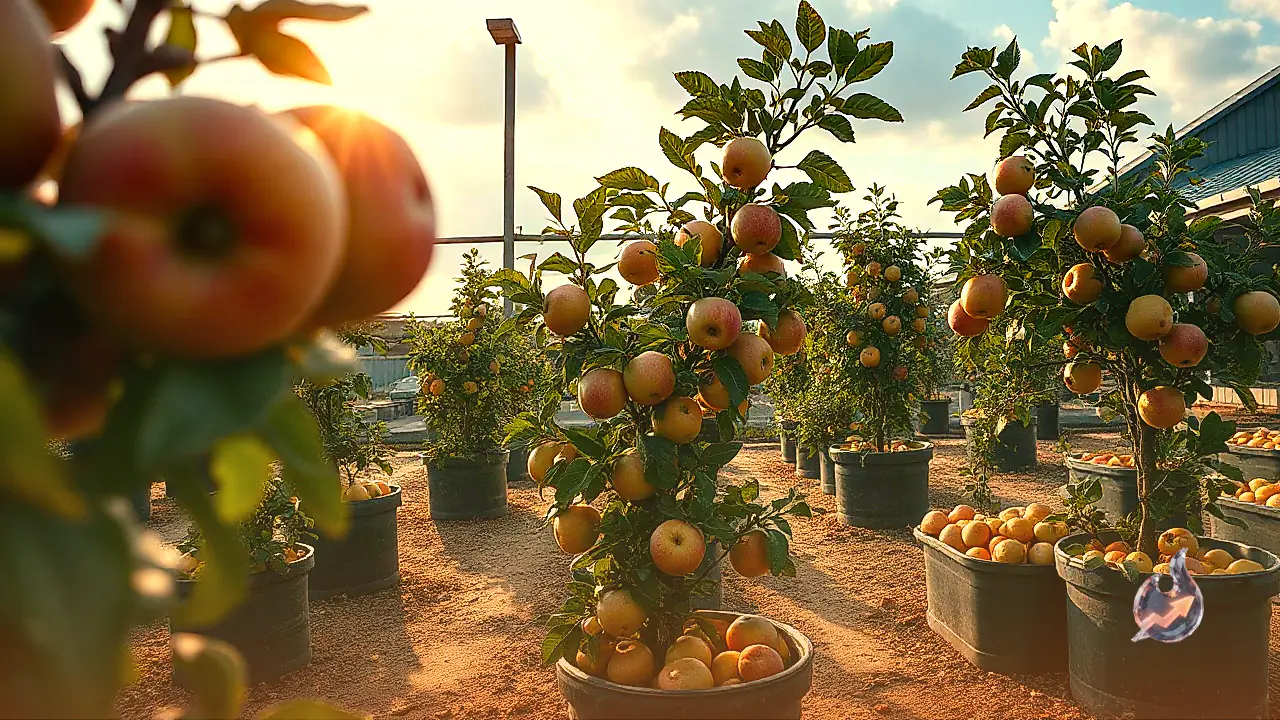
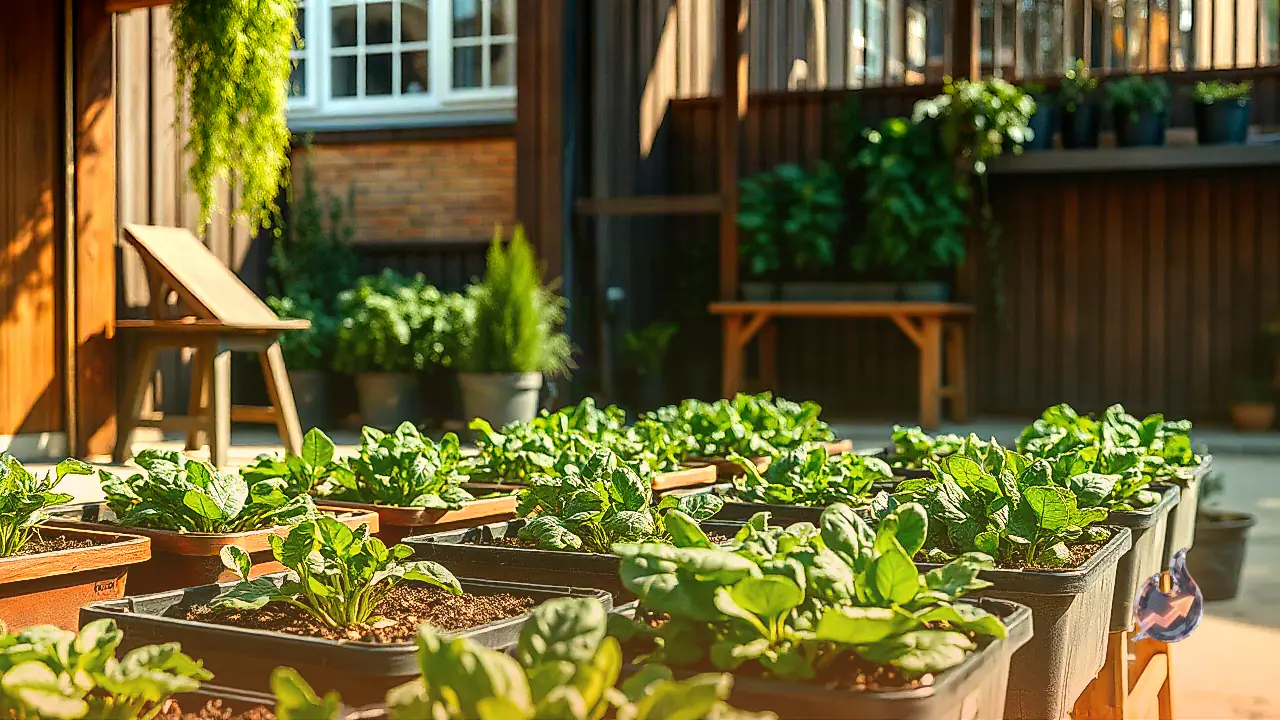
The foundational step in home vegetable production centers on pinpointing an appropriate location that meets the biological needs of plants. Most winter vegetables require at least 4 to 6 hours of unfiltered daylight every single day to synthesize food and flourish. In living spaces devoid of open soil, gardening can proceed smoothly inside ceramic pots, lightweight grow bags, or shallow wooden crates. Every chosen container must feature unobstructed drainage perforations at the base, as standing moisture around roots leads directly to decay. Securing containers that balance adequate volume with dependable drainage prevents planting failures before seedlings even emerge.
Building Fertile and Aerated Soil Mediums
The productivity of any container garden rests heavily upon how the soil mixture is formulated prior to sowing. Blending garden soil with well-rotted organic compost provides the micro-nutrients necessary for sustained root vigor throughout the season. This organic amendment also keeps the texture crumbly, ensuring that moisture is retained without turning into a heavy, suffocating mass. Adding modest quantities of sand or coco peat softens clay-heavy dirt, while thoroughly turning the bed dislodges debris, stray stones, and old tangled roots that might otherwise compete with tender new sprouts.
Techniques for Sowing Leafy Greens
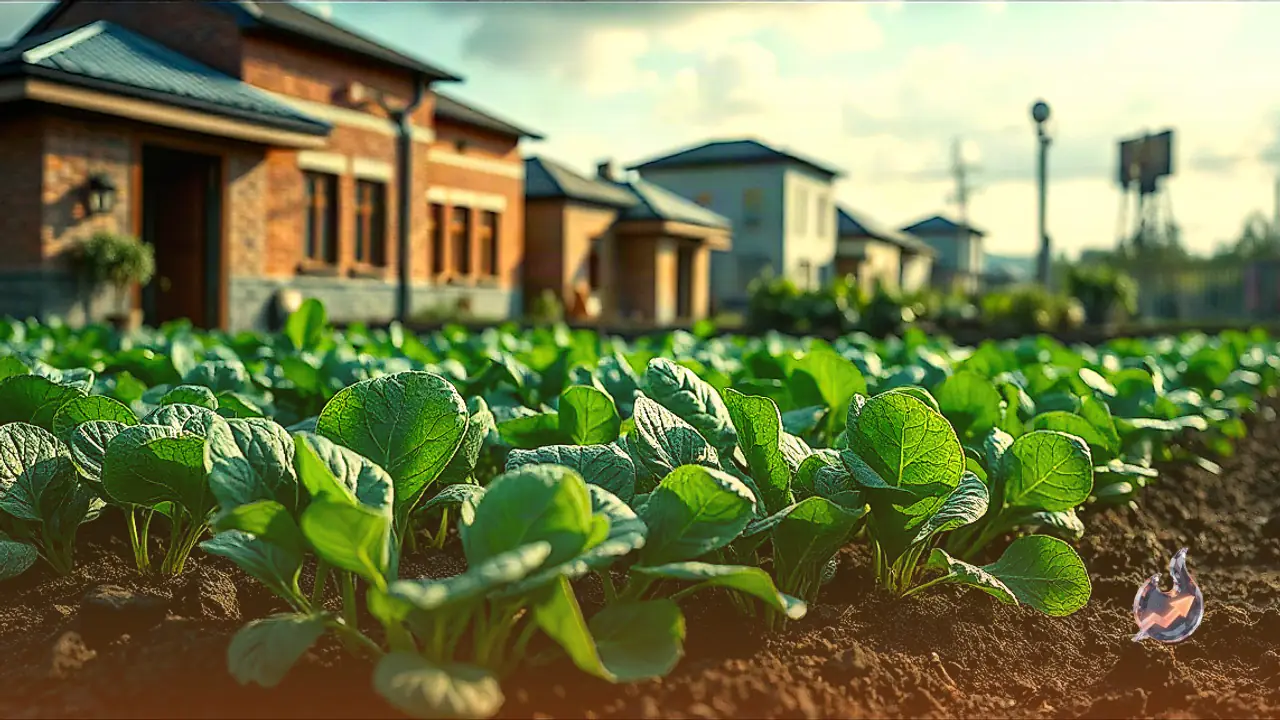
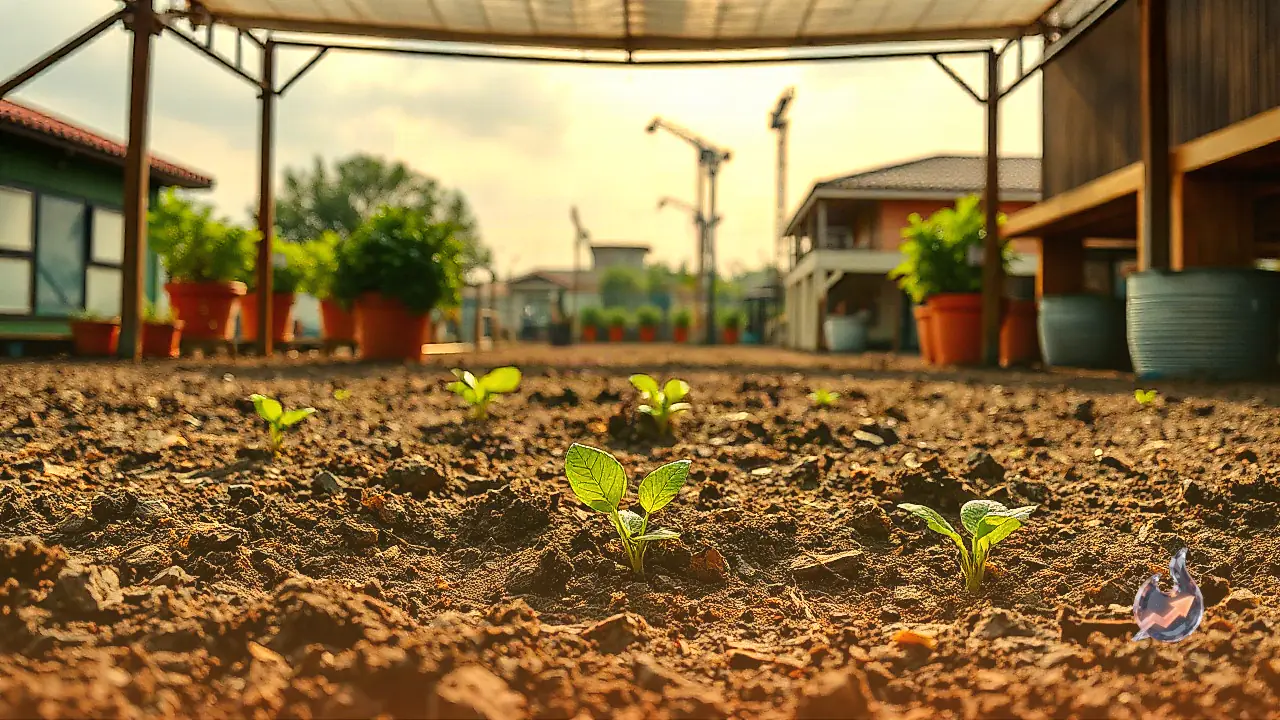
September is prime time to distribute seeds of leafy varieties such as spinach, fenugreek, and coriander. Because leafy herbs and greens possess shallow root systems, they do not require deep containers to produce multiple harvests. Rather than burying these fine seeds deep under the surface, scattering them evenly and covering them with a sheer dusting of fine soil yields the best sprouting rate. Soil must stay reliably moist through fine misting, strictly avoiding flooding that can drown tiny seeds. Within a matter of days, green shoots emerge above the surface, steadily carpeting the containers in lush foliage.
Soil Depth Requirements for Root Crops
Cultivating taproot crops like radish and carrot calls for a markedly different soil profile than leafy greens. Because the edible portions expand directly downward into the substrate, containers must offer sufficient vertical depth filled with thoroughly sifted, lump-free earth. Compacted clay or concealed pebbles cause roots to deform, stunt, or fork awkwardly. Following germination, thinning out clustered seedlings is an indispensable maintenance chore, as leaving them overcrowded deprives individual roots of the space required to swell into robust vegetables.
Trellis Support for Peas and Spacing for Turnips
Adding green peas to a seasonal plot demands physical structures to guide their growth habit. Peas naturally produce climbing vines that need vertical support structures, such as wooden dowels, bamboo stakes, or nylon netting, placed close to the planting line. Seeds must be set into moist earth with restrained watering, as damp seeds rot quickly when soil stays saturated. As tendrils emerge, training them upward maximizes vertical space while keeping the foliage ventilated. Sowing turnips follows a similar seasonal rhythm, requiring close attention to the seed packet spacing guidelines to prevent dense crowding from choking out air, sunlight, and soil nutrients.