






















Garments often lose their appeal long before the fabric actually wears out or tears. Repeated usage and routine laundering can leave colors looking dull, weaken the elasticity, and strip fabrics of their original texture and life. Having a beloved outfit fade into an unwearable state can be frustrating, often leaving it forgotten in the depths of the wardrobe. Fortunately, preserving the pristine condition of everyday wear does not demand expensive commercial laundry products. Simple, mindful adjustments in daily maintenance can dramatically extend the life and visual appeal of any wardrobe.
From the mechanics of the wash cycle to drying environments, ironing heat, and closet organization, every stage plays a direct role in how garments age. Maintaining vibrant tones, crisp seams, and a flattering fit over the long run requires adopting a thoughtful routine tailored to garment needs.
Align Cleaning Methods with Fabric Care Labels
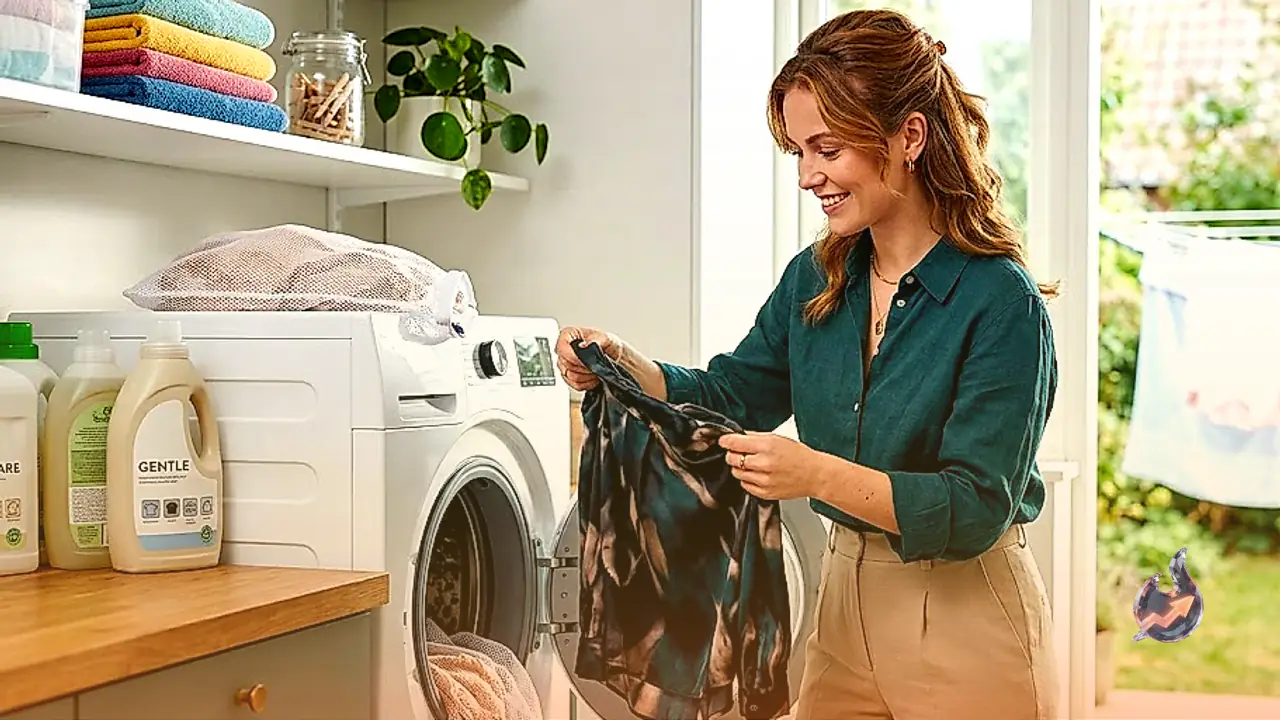
Extending the lifespan of clothing begins by ditching the habit of tossing everything directly into the washing machine after a single wear. Different textiles require fundamentally different handling; cotton, silk, wool, and synthetic blends react uniquely to moisture, agitation, and heat. Checking the manufacturer care label before cleaning ensures that garments are treated with the correct wash cycle and temperature, preventing irreversible fabric damage.
Avoid Unnecessary Washing Cycles
Not every outfit demands a full wash after a brief outing. Unless a garment is visibly stained, soiled, or carrying strong sweat odors, airing it out in a well-ventilated spot is often sufficient for repeat wear. Frequent laundering exerts relentless mechanical stress on fibers and accelerates color fading. That said, essentials such as socks, underwear, and heavy workout gear must always be washed after every single use for hygiene reasons.
Sort by Shade and Wash Dark Garments Inside Out
Deep-toned or freshly dyed apparel frequently sheds excess color during early washes. Laundering darks alongside light shades or whites risks severe color transfer and dullness. Separating garments into distinct color loads safeguards their brightness. Furthermore, turning jeans and dark dresses inside out prior to washing protects the visible exterior fibers from surface friction and abrasion.
Measure Detergent Carefully to Protect Fibers
A common misconception is that heavily soiled loads require massive scoops of laundry detergent. Excess soap does not deliver superior cleaning; instead, it fails to rinse away cleanly, leaving soapy residue trapped deep within fabric fibers. Over time, this buildup diminishes softness and leaves textiles feeling stiff or scratchy. Always dose detergent according to load volume and the specific instructions provided on the packaging.
Keep Colors Out of Harsh Direct Sunlight
Leaving freshly washed clothing under intense, direct sun exposure is particularly damaging to rich and dark colors. Prolonged solar radiation breaks down pigments, causing garments to fade unevenly. Whenever possible, flip colored clothes inside out and dry them in a well-ventilated, shaded area that allows adequate air movement without scorching the textile.
Mind Ironing Temperatures and Techniques
Excessive iron heat can easily scorch fabric surfaces or ruin delicate weaves. Synthetic materials and fragile fabrics demand low-temperature settings to avoid melting or texture distortion. Always verify the recommended heat limits outlined on the garment label before pressing. Pressing darker garments on the reverse side also prevents unsightly fabric shine and burn marks on the surface.
Proper Storage and Immediate Stain Intervention
Cramming clothing tightly into packed closets causes stubborn creases and alters the structural silhouette of garments. Tailored items like shirts, blazers, and structured dresses are best preserved on sturdy hangers. Conversely, knitted garments and heavy winter wear should be neatly folded rather than hung to prevent gravity from stretching out their shape. When spills happen—whether tea, coffee, grease, or cosmetics—treat the stain immediately rather than letting it set for days. Before applying any home cleaning solution to a delicate fabric, always spot-test it on a small, concealed seam first.