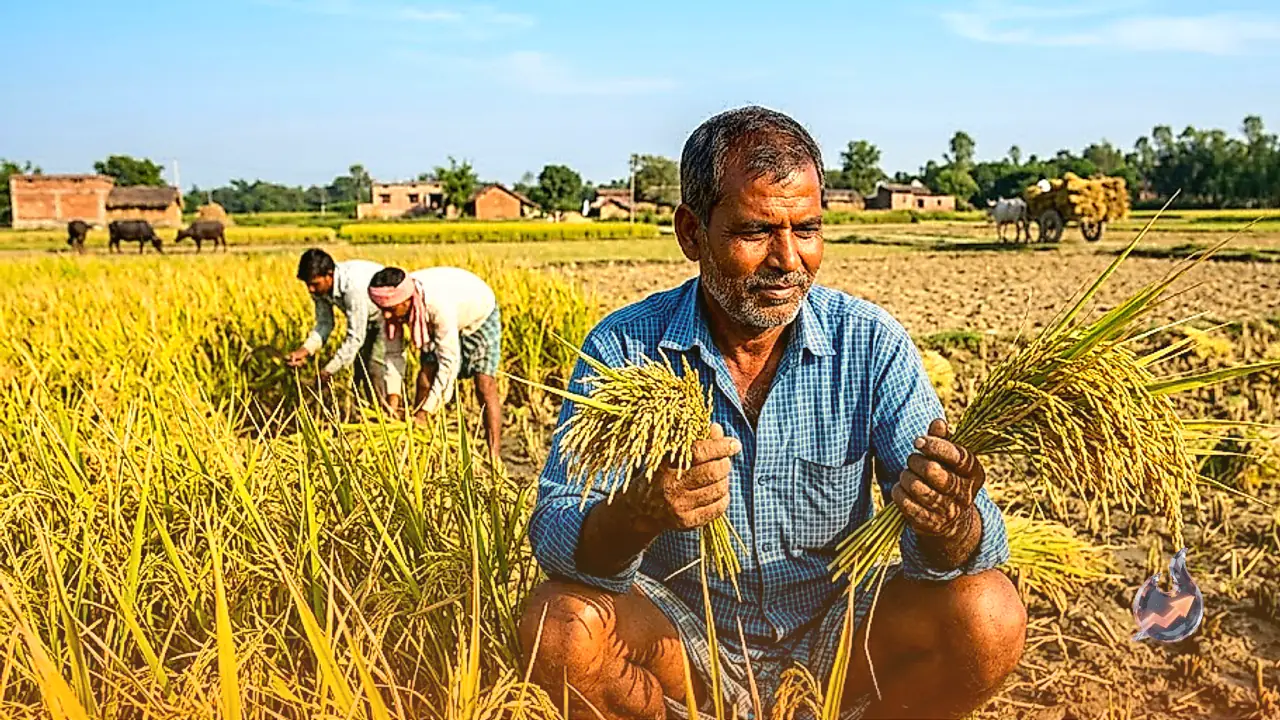



















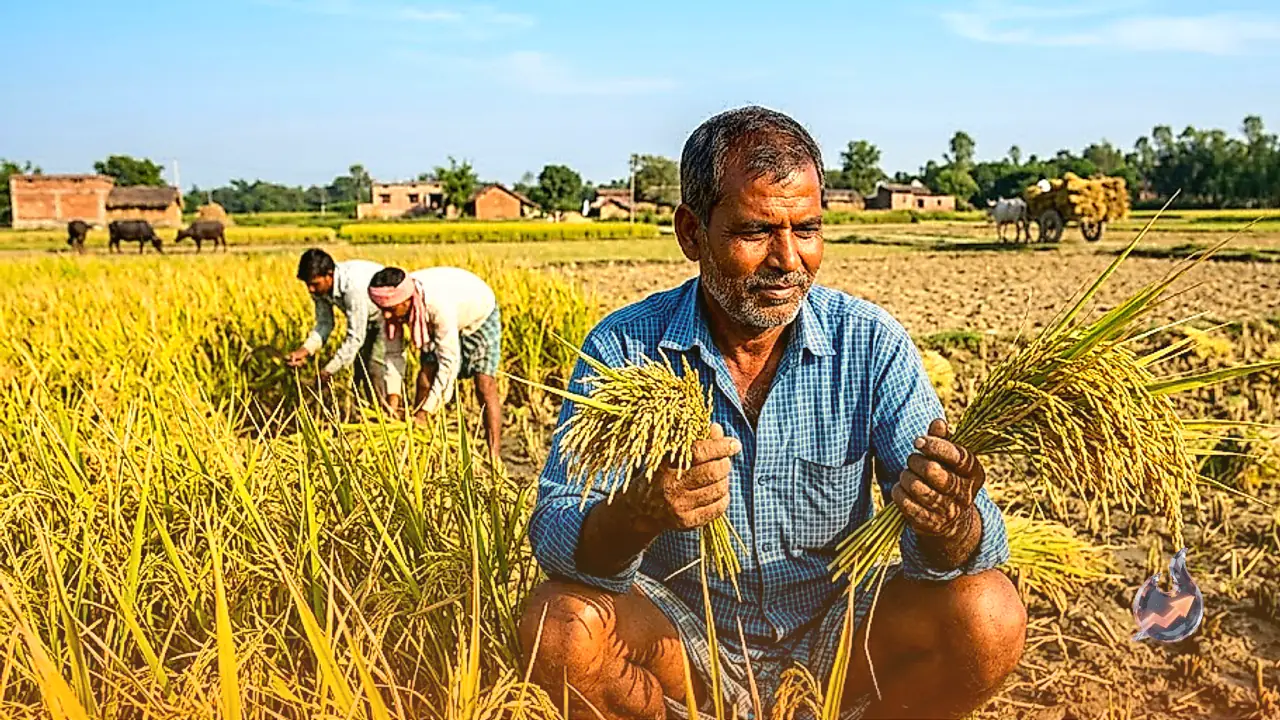

In the intensive paddy-wheat cropping cycle, the timely clearing of fields after the kharif harvest is critical for ensuring the proper sowing of wheat during the rabi season. In regions like eastern Uttar Pradesh, any delay in paddy maturation directly pushes back wheat sowing, which can lead to reduced yields later in the season. To help growers navigate these operational timelines, agricultural advisories highlight several short- to medium-duration paddy varieties, flood-tolerant choices, and aromatic lines designed to balance grain yield with field turnaround time.
Early and Medium Maturing Options: Narendra Dhan-97 and Narendra-359
Narendra Dhan-97 is well-known across eastern Uttar Pradesh as a relatively short-duration variety. When transplanted within the recommended calendar window and supported by appropriate water and nutrient management, it matures quickly compared to long-duration options. This early harvest frees up land well before the prime wheat-planting period begins. However, the precise harvesting schedule will always depend on local weather developments and the exact date of transplantation.
Another established cultivar across the plains of eastern Uttar Pradesh is Narendra-359, which falls into the medium-duration maturity group. If growers complete transplantation on time, fields can be harvested and prepped for wheat without significant disruption. Conversely, if transplantation is delayed, the subsequent wheat sowing window also shifts later into the season, making strict adherence to the planting schedule essential for this variety.
Managing Waterlogged Fields: Swarna Sub-1 and NDR-9930111
Waterlogging and seasonal inundation present frequent challenges in low-lying tracts of eastern Uttar Pradesh. For these specific environments, Sambha Sub-1 stands out for its tolerance to submerged or flood-prone conditions, earning a place among the recommended varieties in ICAR guidelines for the state. While it can withstand excess moisture, growers aiming for an early wheat crop must carefully balance its flood tolerance against its total maturation days and transplantation timeline.
Similarly, NDR-9930111 is featured in ICAR recommendations for Uttar Pradesh as a variety capable of withstanding waterlogged fields. It offers practical value in plots where drainage is inherently slow. Nonetheless, when the primary objective is transitioning rapidly to wheat, putting efficient drainage measures in place and tracking crop readiness become just as critical as selecting a water-tolerant seed variety.
Sturdy, Medium-Duration Cultivars: MTU-7029 and NDR-9436
MTU-7029 remains widely utilized across Uttar Pradesh. ICAR lists it as a medium-duration option that exhibits good lodging resistance, making it less prone to falling over under typical seasonal stresses. In regular cropping conditions, it fits effectively into a rotation intended to accommodate wheat, provided that nursery transplanting is not pushed too late into the summer.
Along similar lines, NDR-9436 is categorized by ICAR as a medium-duration, low-lodging paddy cultivar for the state. Under well-managed water regimes and timely planting schedules, it allows farmers to prepare their fields for the winter crop smoothly. Farmers considering this variety can cross-check localized guidance from their area Krishi Vigyan Kendra to tailor field practices to local soil dynamics.
Aromatic and Basmati Selections: Pusa Sugandh-4 and Pusa Basmati-1509
For growers targeting higher market value through scented grains while maintaining their rabi wheat schedule, Pusa Sugandh-4 serves as a viable option. Categorized by ICAR as a medium-duration aromatic cultivar in Uttar Pradesh, it enables farmers to access premium consumer markets without necessarily sacrificing subsequent wheat sowing, provided field management remains strictly on schedule.
Among fine-grain basmati types, Pusa Basmati-1509 is recognized as a comparatively early-maturing selection. The primary agronomic benefit of this quick turnaround is that the land becomes available earlier for the subsequent winter crop. Because basmati production depends heavily on specific soil characteristics, irrigation availability, and regional market access, growers in eastern districts are encouraged to consult local agricultural experts before finalizing their planting decisions.