







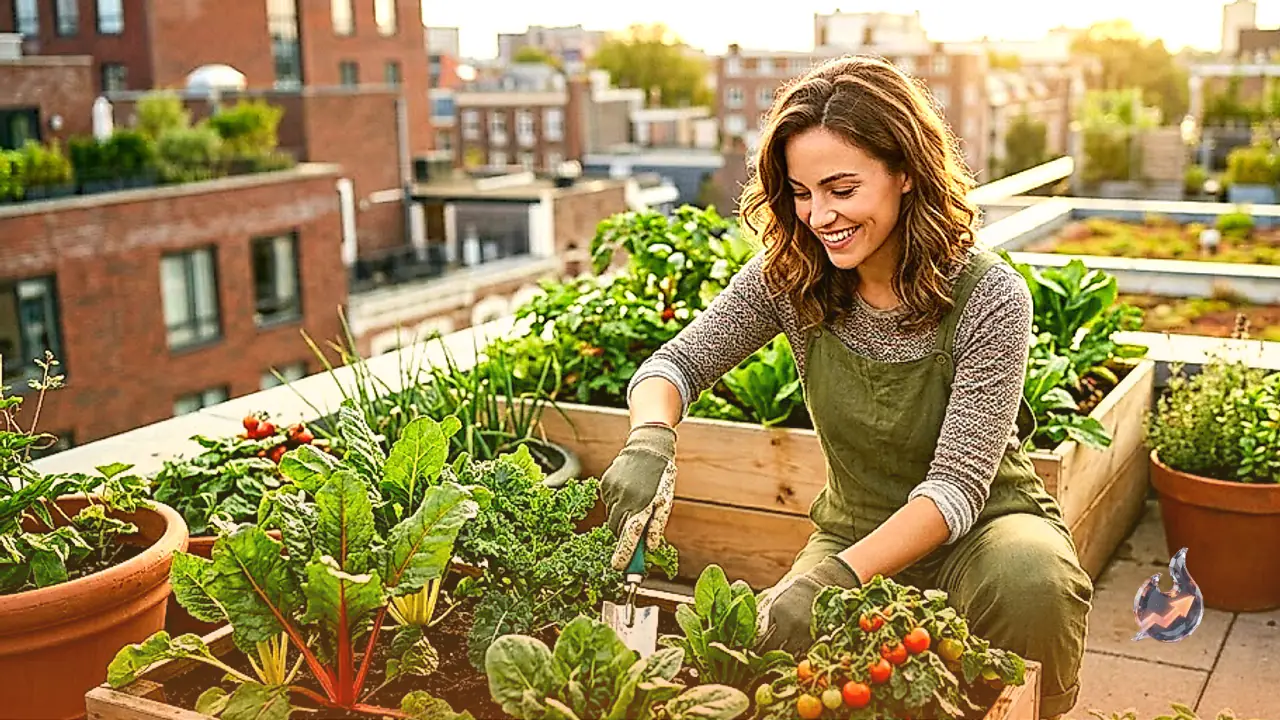















If you want to grow fresh and chemical-free vegetables right at your home, September is widely regarded as the best month to begin. During this period, the weather transitions into a pleasant coolness, which creates an optimal environment for seeds to germinate and plants to flourish. You can easily cultivate a variety of nutritious vegetables in pots, balconies, or rooftops, ensuring a steady supply of fresh greens for your household.
Best Vegetables to Grow at Home in September
The weather conditions in September strongly support the sprouting and robust growth of seeds, allowing plants to develop rapidly. By choosing the right containers and soil mixtures, you can secure an abundant harvest. Here are the vegetables you can effortlessly grow at home during this month along with their specific care requirements.
Spinach: People widely consume spinach dishes during the winter season. Keep its seeds soaked in water for a while and then cover them with a light layer of soil. Use a pot that is four to six inches deep to grow spinach. Plant only eight to ten seeds in this size of pot to give them adequate space. Furthermore, when harvesting, use scissors to cut the leaves instead of pulling the plants out from the roots, allowing them to grow back again.
Fenugreek: The unique taste of fenugreek dishes is thoroughly enjoyed during winter. You can easily purchase fenugreek seeds from the market and grow them at home in pots. Ensure that the seeds are neither broken nor very old to maintain high germination rates. After adding soil to the pot, scatter the seeds evenly and cover them with a light layer of soil and manure. Keep in mind that these should also not be pulled out by the roots during harvesting.
Radish: You can plant either round or long radishes during this month. Use loose and friable soil for planting them. If you are growing long radishes, use a deep grow bag measuring twelve to fifteen inches. If you prefer small red radishes, a six to eight-inch pot is quite sufficient. Whenever you plant radishes, ensure there is a gap of three to four inches between two seeds to allow proper root expansion.
Carrot: You can start planting carrots from mid-September onwards, as this is the most appropriate time for carrot cultivation. The weather begins to get slightly cool around this time, which is very favorable for carrot seeds to germinate. Use a mixture of soil and sand for planting them. Always grow them in a grow bag measuring twelve to fifteen inches. Additionally, try these tips to protect the plants you have at home from pests and fungus to keep your entire home garden healthy and lush green.
Cultivating these vegetables on your rooftop or balcony serves as a rewarding hobby while providing wholesome nutrition for your family. Proper watering, adequate sunlight, and mindful harvesting will ensure your home garden remains productive and vibrant throughout the growing season.