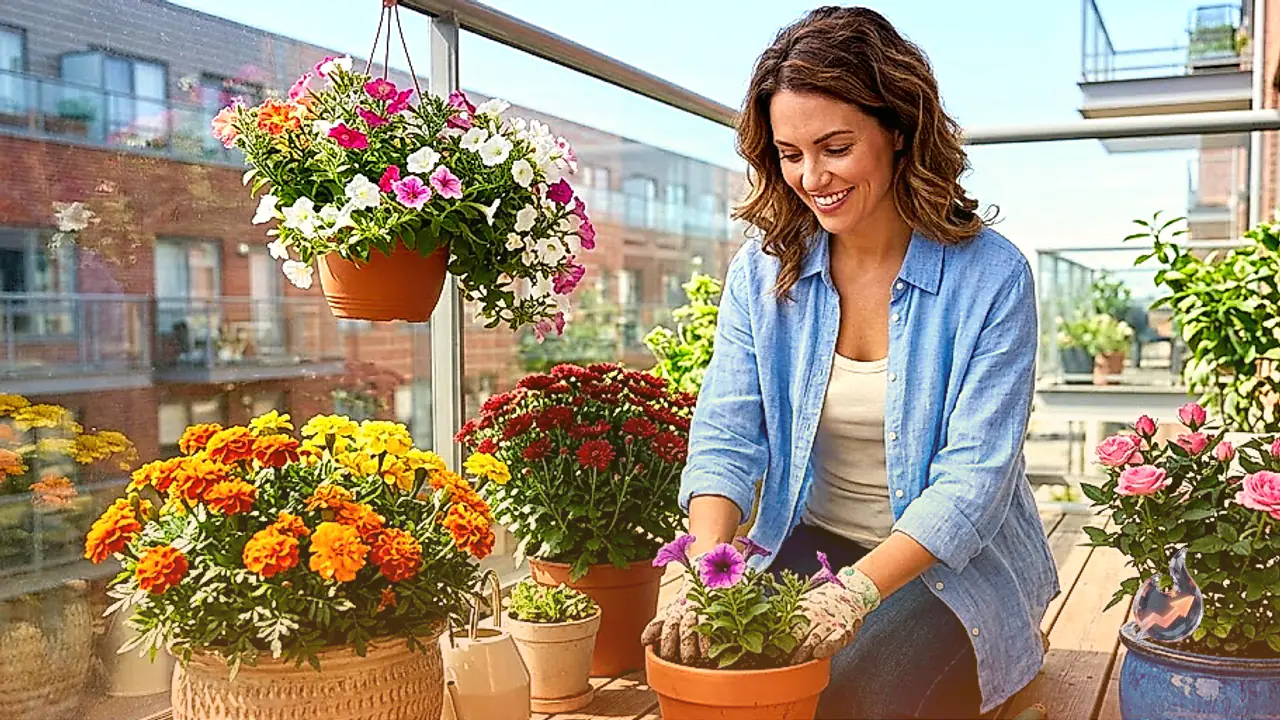





















Store-bought broccoli frequently carries traces of synthetic pesticides, chemical fertilizers, and artificial waxes or dyes applied to preserve visual freshness. For urban gardeners, cultivating this nutrient-rich brassica vegetable at home offers a clean and completely organic alternative. September marks the most favorable window to initiate seedling preparation. By understanding container requirements, soil composition, and organic nutrition schedules, anyone can cultivate an abundant harvest on a terrace or balcony.
Selecting Suitable Varieties and Starting Seeds
Starting with dependable seed stock is essential for container gardening success. High-performing broccoli varieties well-suited for pots include Green Magic, Pusa Broccoli 1, Lucky, and Besty. The cultivation process begins with preparing a well-aerated, fertile seed-starting medium. Blend equal parts of standard garden soil and well-decomposed cow dung manure to form a 50-50 growing mixture.
Fill a wide, shallow seedling container with this soil mix and evenly scatter the broccoli seeds across the surface. Avoid pressing the seeds deep into the soil. Instead, spread a light, thin layer of soil mixture over them to protect them while allowing easy germination. Moisten the setup gently using a water spray bottle. Within 7 to 10 days, the seeds will sprout. Once germination occurs, shift the tender seedlings into individual small nursery pots for intermediate growth.
Transplanting Seedlings into Permanent Grow Bags
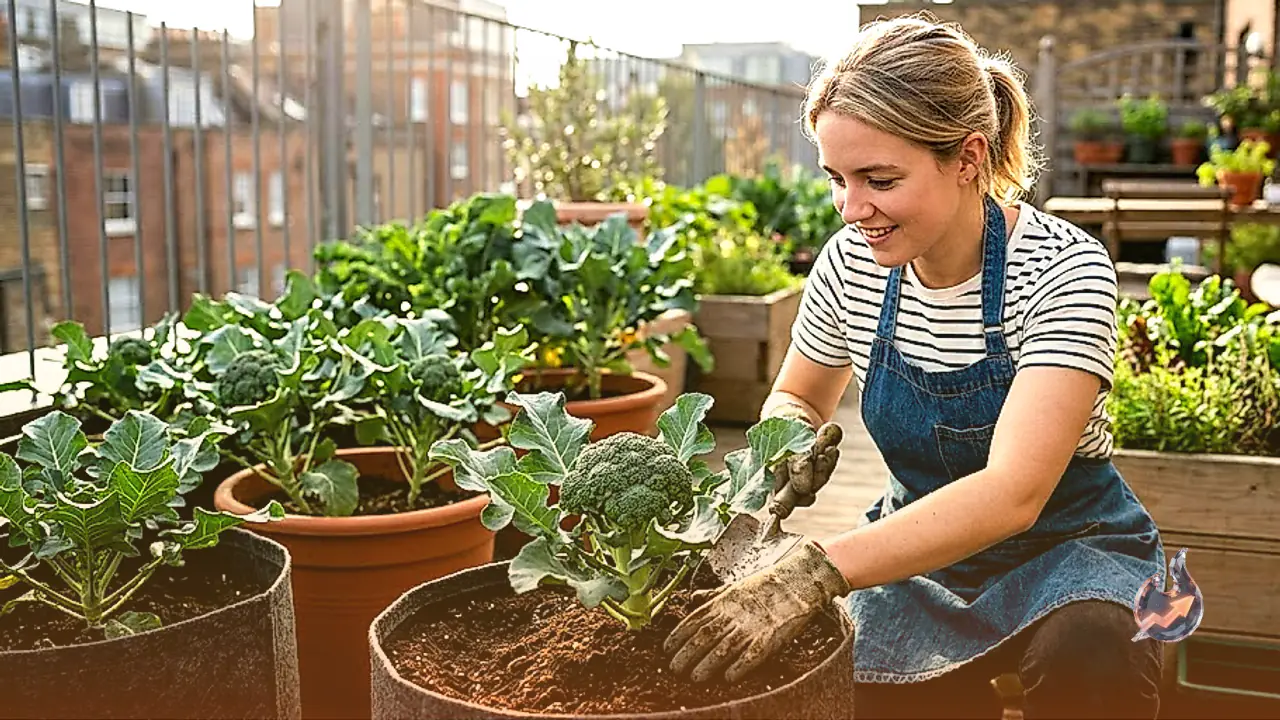
Keep the young seedlings in their temporary pots under bright sunlight while watering regularly to prevent the roots from drying out. After 25 days, the root systems become mature enough for relocation into permanent containers. The final container or grow bag must provide a minimum depth of 12 inches. For optimal root expansion and robust yields, a 15x15-inch grow bag easily accommodates two broccoli plants.
Fill the grow bags with nutrient-rich potting soil and dig a slight planting pocket in the center. Invert the small nursery pot gently to ease the seedling and its root ball out without damage, then position it firmly in the grow bag. Always carry out transplantation during the evening hours to reduce environmental stress and prevent transplant shock. Water the newly potted plants thoroughly so moisture penetrates the entire depth of the grow bag. For subsequent waterings, wait until the top two inches of surface soil have dried out completely.
Cultivation, Organic Feeding and Mustard Cake Fertilizer
Around six weeks after transplanting, broccoli plants display substantial vegetative growth. Regular weeding and surface hoeing are crucial to aerate the soil and stimulate active root respiration. Replenish soil nutrients every 20 days using rotational organic fertilizers. After gentle soil loosening, apply generous helpings of vermicompost or well-rotted cow manure around the base of the plant. Introducing calcium phosphate and fermented mustard cake provides additional growth stimulation.
To prepare mustard cake fertilizer, soak the cake in water for 4 to 5 days, then dilute it with one liter of plain water before drenching the potting soil. Alternating nutrient sources every 15 to 20 days directly influences head development and results in tighter, larger crowns. As flower heads begin to form, apply a top dressing made by mixing vermicompost, cow manure, and fertile soil to ensure maximum yield potential.
Pest Protection and Overcoming Flowering Failure
Organic pest management safeguards plants without introducing dangerous chemicals to your food. At the first sign of pest infestation, spray cold-pressed neem oil thoroughly across the foliage. Alternatively, application of the organic bio-agent Beauveria bassiana delivers effective biological control against harmful insects. Gardeners looking for continuous kitchen harvests can stagger plantings in three-month intervals, securing steady monthly picking cycles.
A common issue in container gardening is the failure of plants to develop dense heads. Inadequate sunlight is the most frequent culprit, as broccoli requires at least 8 hours of uninterrupted daily sun exposure. Compacted soil that lacks proper drainage will also impede head formation. Keep the soil evenly moist, supply fertilizers rich in amino acids and essential micronutrients, and avoid waiting too long for heads to become oversized before cutting. Harvesting heads when they are compact and firm guarantees the finest culinary texture and flavor.