





















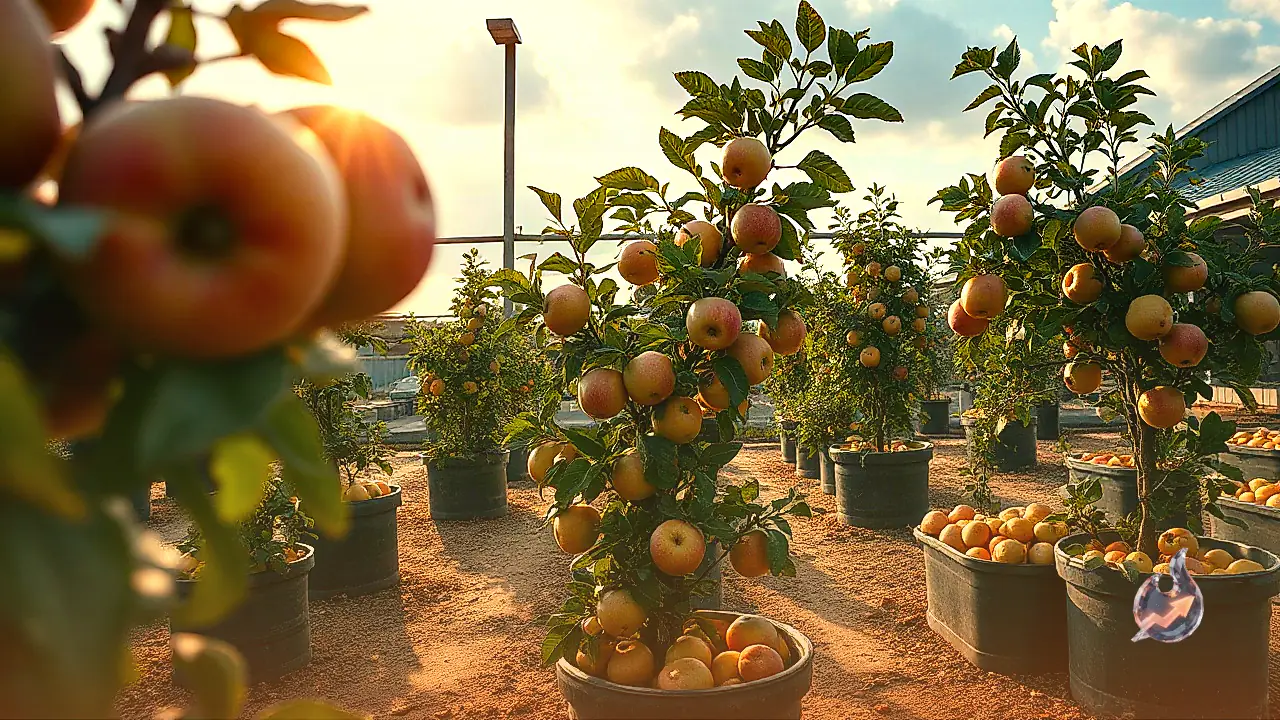

While apple orchards have traditionally been confined to cold mountainous regions, gardening enthusiasts in hot northern and central plains are successfully cultivating apple trees directly in terrace pots and grow bags. Rich in nutritional benefits, apples supply plenty of dietary fibre and pectin, both of which improve gut health and relieve constipation and acidity. Packed with vitamin C and vital antioxidants, the fruit strengthens the immune system naturally. Because apples are low in calories yet dense in fibre, they assist in sustainable weight management, while their unique polyphenols support balanced insulin response and lower the risk of developing type-2 diabetes. With the advent of specialised climate-resilient cultivars, terrace gardeners across hot states like Uttar Pradesh, Bihar, and Rajasthan can easily nurture container-grown apple plants. Mastering a few practical gardening fundamentals, such as pot dimensions, nutrient-rich soil blends, and timely care, allows anyone to harvest homegrown organic apples.
Top Heat-Tolerant Cultivars and the Ideal Planting Window
Starting an apple plant from seed inside a container is not advisable because seed-grown trees take years to mature and rarely produce predictable fruit. Instead, home gardeners should always source a grafted sapling from a reputable nursery. Grafted plants consistently begin setting fruit within three years of establishment. For the plains and warmer climates of northern and eastern India, cultivars such as Hariman-99, Anna, and Dorsett Golden have proven to be the most resilient and productive. Among these, Hariman-99 remains the most widely planted variety across Uttar Pradesh, Bihar, and Rajasthan, and holds a registered patent credited to Hariman Sharma. Sourced either from local plant nurseries or online platforms, a Hariman-99 grafted sapling typically costs around 235 rupees. The best times of the year to transplant these saplings are during the monsoon months of June and July, the peak summer window, through September and October, or in early winter during November.
Pot Selection and Preparing a Balanced Soil Mix
Container size is critical for root development and overall plant vigour. A starter pot or grow bag should measure no less than 15×15 inches. For superior results and to avoid disturbing the tree later, planting directly into a 24×24 inch grow bag is ideal, eliminating the need for frequent repotting. To formulate a well-draining, nutrient-rich potting medium, blend 30 percent vermicompost, 30 percent cocopeat or coarse sand, 30 percent standard garden soil, and 10 percent decomposed cow dung manure. Incorporate two handfuls of neem cake powder alongside organic rock phosphate to nourish fruit-bearing wood. After thoroughly blending the soil, keep the purchased sapling alongside other plants in semi-shade for a day or two to acclimatise before transplanting. While placing the sapling into the pot, take care to keep the graft union situated well above the soil line. Water the plant thoroughly immediately after planting.
Sunlight, Aeration and Critical Maintenance Routines
Apple trees need a minimum of 6 to 8 hours of direct, unobstructed sunlight every day to facilitate photosynthesis and bud initiation. Every 20 days, loosen the topsoil through light hoeing to ensure proper aeration and sunlight penetration down to the root system. Supplement the pot monthly with a generous layer of vermicompost or well-rotted farmyard manure. When growing fruit trees in large containers or grow bags, root pruning must be executed twice a year. Neglecting root pruning causes root-binding, preventing the root ball from taking up added compost and essential nutrients. As a consequence, tree growth stalls, foliage deteriorates, and the plant fails to produce flowers or set fruit. The ideal periods to carry out root pruning are December through January and July through August.
Pruning Branches and Preventing Fungal Invasions
Although grafted apple trees are relatively hardy and do not demand complex maintenance, improper branching often inhibits flowering. Annual pruning must be carried out in January, during the dormant phase, by removing all dried, damaged, diseased, and crossing branches. Always prune limbs at a 45-degree angled slant to prevent water from stagnating on cut tips. Immediately coat the fresh wounds with a thick paste made of turmeric to seal the cuts against insect infestations and fungal pathogen entry. Systematic pruning allows light and fresh air to reach the interior canopy, which encourages robust lateral growth and stimulates flower production.
Organic Nutrition: Seaweed Extracts and Phosphate Boosters
In hot plains, apple trees break into flower starting late February and continue blooming through the second week of April. Supplying balanced micro-nutrients during this stage is crucial. Gardeners can add organic seaweed granules to the topsoil or dilute liquid seaweed extract in water to spray across the foliage and branches. Seaweed acts as a potent organic growth promoter, strengthening blooms and boosting bud count. Another critical soil additive during flowering and fruit setting is PROM, or Phosphate Rich Organic Manure. It functions as a completely organic, eco-friendly substitute for synthetic DAP fertilizer. Available through online gardening retailers, PROM is sold wholesale in 50-kilogram bags at rates ranging between 7 and 10 rupees per kilogram. Before applying PROM, loosen the surface soil around the root zone, gently work the manure into the soil, and water lightly. The steady release of organic phosphorus encourages profuse flowering and significantly improves final fruit size.