






















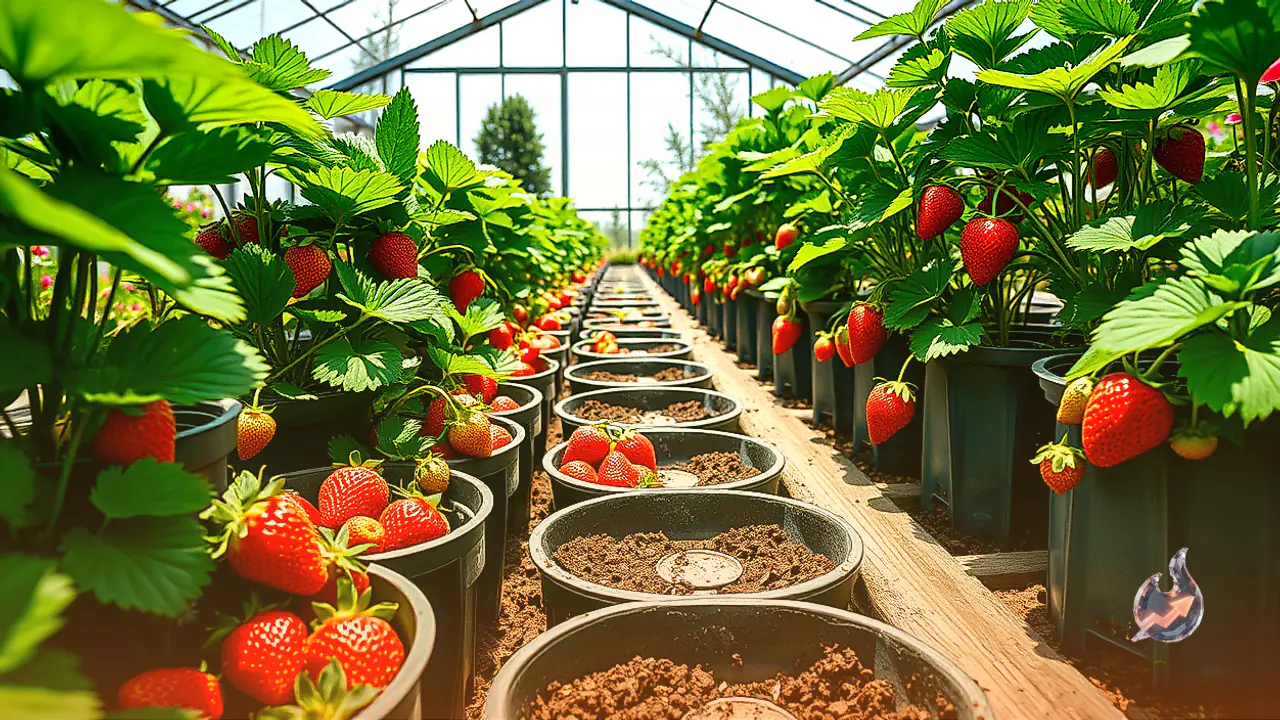

Fresh strawberries harvested straight from a home container often deliver a much richer and sweeter flavour than commercially purchased produce. The compact nature of strawberry plants makes them exceptionally well suited for container gardening, as they require minimal space to thrive. With an appropriately sized pot, consistent sunlight, attentive watering, and routine care, any home gardener can successfully produce a rewarding crop of juicy berries right on a balcony or terrace.
Selecting the Right Container and Drainage
Choosing an appropriate growing container is a foundational step, and the pot must feature reliable drainage holes to allow excess moisture to escape freely. A container depth of at least 20 to 30 centimetres is necessary to accommodate healthy root development. Terracotta or unglazed clay pots are widely regarded as the preferred choice because their porous walls allow surplus moisture to evaporate and drain efficiently. Where layout allows, distributing plants across multiple smaller individual pots is often a superior strategy compared to crowding them into a single oversized vessel.
Planting Depth and Crown Alignment
Precise planting depth plays a critical role in the long-term health of strawberry plants, particularly regarding the crown, which is the central junction where the roots meet the leafy stems. This crown must be aligned precisely level with the soil surface. Burying the crown too deep beneath the soil frequently leads to rot, while leaving it set too high exposes delicate roots to dehydration and death. When cultivating multiple plants within a single wider container, maintaining a spacing of approximately 30 centimetres between plants guarantees adequate room for spread and airflow.
Sunlight Demands and Optimal Temperature
Strawberry plants require generous exposure to direct natural light, needing at least 6 to 8 hours of direct sunshine every single day. Gardeners should position containers in open balcony spots or sunny garden patches that receive consistent, unobstructed light. In terms of climate, these plants achieve peak fruit production within a temperature window of 15 to 27 degrees Celsius. This specific preference makes the cooler months of the year the ideal season to nurture and harvest strawberries at home.
Moisture Management and Nutritional Feeding
The potting medium must remain evenly moist without becoming waterlogged, as stagnant water can severely damage the root network. Gardeners should inspect the top layer of soil before adding water, ensuring moisture is needed before irrigating. Always direct water toward the root base rather than soaking the foliage, keeping the leaves dry to minimise disease. During the active growing period, applying a balanced fertiliser every 2 to 4 weeks provides the sustained nutrition required for vigorous foliage and abundant fruit set.
Managing Runners and Harvesting Fruit Carefully
Throughout the growth cycle, plants send out elongated side shoots known as runners, which should be pruned away systematically. Removing these runners redirects the plant's vital energy away from vegetative expansion and channels it directly into producing sweet, plump berries. Fruit should only be harvested once it turns completely red and fully ripe. Rather than tugging or pulling the berry directly from the stem, snip the stalk cleanly using scissors to prevent structural injury to the plant. Allowing ripe strawberries to linger on the vine invites fungal decay and pest infestation, making regular garden checks and prompt harvesting essential.