




















Termites are miniature pests capable of causing extensive and often unseen structural destruction across residential spaces. These insects survive primarily by feeding on cellulose, an organic compound found in timber, paper, cardboard, and living plant matter. Because they dwell beneath soil beds or burrow deep within wooden layers, their initial intrusion frequently passes completely unnoticed. Homeowners often identify the invasion only after internal structural decay has already weakened primary doors, windows, and household furniture.
Severe Destruction of Wooden Structures and Archived Paperwork
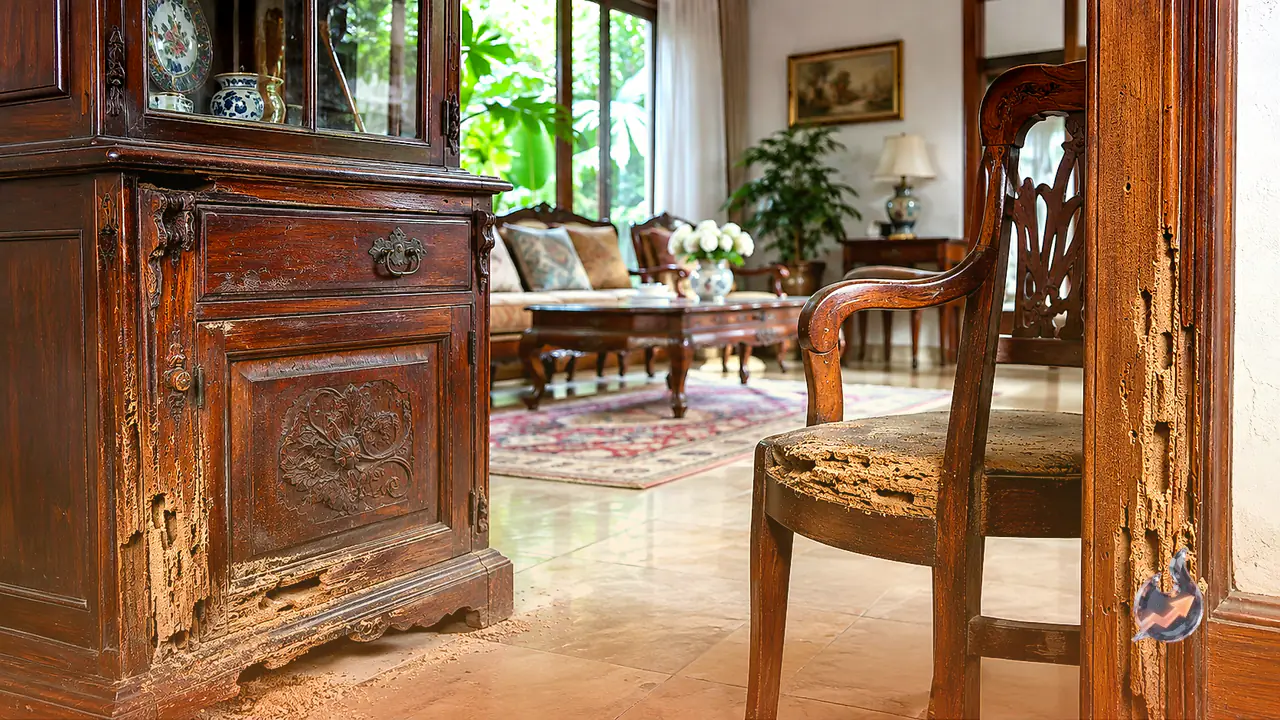
The heaviest fallout from a termite presence falls directly upon wooden home furnishings. These insects consume wood from within, turning sturdy wardrobes, beds, desks, and dining chairs into brittle shells. Beyond movable items, fitted wooden door frames, window casings, and timber beams face similar deterioration. Ignoring such infestations across extended periods can ultimately compromise the structural soundness of an entire building.
Paper and packed cardboard also present an ideal food supply for these pests. Consequently, essential files, books, legal documents, and preserved personal archives can suffer total destruction once infested. Addressing the damage following an advanced attack requires substantial financial outlay, whether replacing compromised household items, repairing frames, or hiring professional teams to treat the entire premises.
Prominent Signs That Reveal an Active Infestation
Catching an infestation early depends on recognising critical visual clues across indoor surfaces
- Thin mud tubes running along exterior walls, skirting boards, or floor tiles.
- Fine, powdery wood dust steadily accumulating beneath wooden items.
- Doors and window panels sticking or failing to latch shut smoothly.
- Shed insect wings or winged reproductive termites congregating near lights or entryways.
Practical Protective Strategies to Defend Your Home
Controlling indoor humidity serves as the primary barrier against pest proliferation. Termites thrive rapidly inside damp environments, making the prompt repair of dripping taps, plumbing leaks, and wall seepage indispensable.
Property owners should avoid positioning wooden furniture directly in contact with bare ground or concrete flooring, reducing the likelihood of insects migrating upwards from the soil. Piles of discarded packaging cartons, unused scrap timber, and obsolete papers should be cleared out rather than hoarded, removing readily accessible food sources. Conducting periodic inspections of storage spaces and wooden joints helps catch nascent colonies before destruction spreads. Finally, commissioning specialized anti-termite chemical treatments, either during initial house construction or as an upgrade to existing properties, provides lasting protection.