























Everyday cooking takes an inevitable toll on the kitchen, with airborne grease droplets, steam vapors, and settled dust targeting cabinetry first. During the early stages, this thin buildup goes virtually unnoticed, yet week after week the accumulation gradually dulls the wood finish until surfaces appear weathered and tired. Rushing to clean these surfaces without proper care often leads homeowners to use harsh techniques that permanently damage the protective varnish. When kitchen cabinets begin looking aged and lifeless, adjusting routine maintenance practices is all it takes to restore their aesthetic appeal safely.
Why Excess Moisture Poses a Grave Threat to Wood Finishes
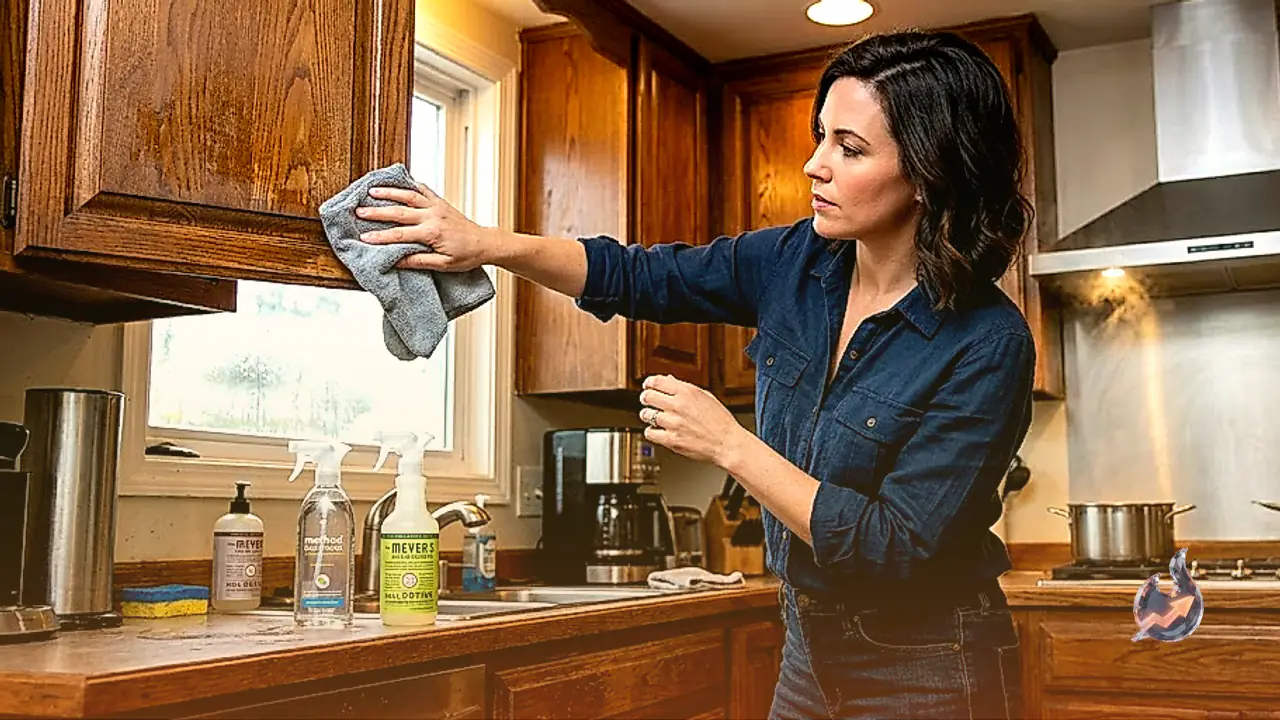
The foremost rule in caring for wooden cabinetry is strictly avoiding excessive water during the wash down process. Natural timber and pressed wood products are inherently porous, meaning standing liquid penetrates raw seams and underlying fibers within minutes. Trapped moisture prompts swelling, warping, and peeling along edge bands, ultimately ruining the structural integrity of the doors. Instead of soaking cleaning rags and applying dripping moisture to the doors, lightly moisten a cloth and wring it out completely until it feels barely damp to the touch. Gently wipe down the wooden panels without scrubbing aggressively, and immediately trace over every section with a clean dry towel to absorb remaining dampness before it can settle.
Daily Dust Removal Requires Nothing More Than Dry Microfiber
Whenever cabinets show only loose, surface-level dust without oily residues, applying soapy mixtures or moisture is entirely unnecessary. The safest tool for daily upkeep is a dry, plush microfiber towel, which uses fine split fibers to capture and trap dry particles without creating micro-scratches on polished coats. Pay extra attention to cabinet crown moldings, decorative frame grooves, and corner recesses where dust settles in thicker concentrations. Spending two minutes running a dry cloth across these surfaces every day or two prevents dust from blending with ambient cooking oils, stopping tough crusts from ever developing on your woodwork.
Tackling Stubborn Grease Layers with Lukewarm Soapy Water
Once cooking splatters and airborne oils settle into a sticky residue, wiping with dry towels merely smears the film across a wider area. Breaking down this greasy accumulation requires adding a few drops of mild dish soap into lukewarm water. Dip a soft cleaning cloth into the solution and squeeze it thoroughly until no water drips out before touching the cabinetry. Work in small circular motions with moderate pressure to lift the softened grease film from the surface. Keeping soap concentrations very low is essential, as excessive suds leave behind a cloudy film that attracts more grime. After cleaning, wipe down the area with a separate cloth dampened in fresh water to remove detergent traces, then finish with a dry cloth immediately.
Protect Protective Coatings from Abrasive Pads and Harsh Bleach
A frequent misstep among homeowners is reaching for heavy-duty kitchen scourers or metal scouring pads to strip off stubborn cabinet spots. While abrasive sponges remove burnt food from pots effectively, their coarse textures carve fine scratches directly into lacquered wood, permanently clouding the glossy finish. In the same manner, powerful chemical formulas like industrial degreasers, ammonia-based sprays, or chlorine bleach should stay far away from cabinetry. These corrosive compounds dissolve top-coat sealers and degrade wood stains, leaving the surface looking substantially more faded and blotchy than before cleaning began.
Ventilating Cooking Steam Prevents Long-Term Moisture Accumulation
Boiling liquids and frying produce vast amounts of vapor that rise directly toward overhead cabinets, subjecting wood panels positioned near the stovetop to concentrated heat and moisture. Over continuous exposure, this environment degrades sealants and bonds floating grease particles directly to vertical door faces. Operating your range hood chimney or exhaust ventilation fan before turning on the burners is an invaluable habit, as it pulls vapor and aerosolized fat droplets away from the room before they contact timber surfaces. Once meal preparation finishes, taking thirty seconds to pass a soft cloth over the underside of overhead cabinets and the adjacent framing keeps condensation from lingering.
Maintaining Door Hardware and Managing Accidental Spills Rapidly
Cabinet pulls, knobs, and the immediate surrounding door panels endure continuous contact throughout the day from busy family hands. Natural body oils, hand lotion residues, and airborne kitchen grime blend together around metal handles, forming noticeable grime halos over time. Wiping down these hardware areas regularly using a soft cloth keeps them clean and sanitary. Furthermore, whenever sauces, oils, or food liquids accidentally splash onto a cabinet door, never leave them to harden. Wiping away fresh spills immediately with a damp rag prevents colored food dyes and acidic compounds from soaking into porous finishes and causing lasting stains.
Always Test Polishes and Solutions on Hidden Spots First
Rushing to apply commercial furniture polishes or homemade cleaning concoctions directly over an entire bank of cabinets carries significant risk. Different cabinet installations feature varying types of factory finishes, clear coats, polyurethane, or laminate laminations that react unpredictably to specific chemical formulations. Before spraying or wiping any new cleaner over visible cabinet doors, apply a tiny amount to an inconspicuous section, such as the inner back edge of a bottom panel. Observe the test area for any signs of discoloration, peeling, or dulling before proceeding across the remaining woodwork. The golden rule for long-lasting cabinet beauty remains simple: minimize water, use gentle cleaners, stick to soft textiles, and eliminate all lingering moisture promptly.