






















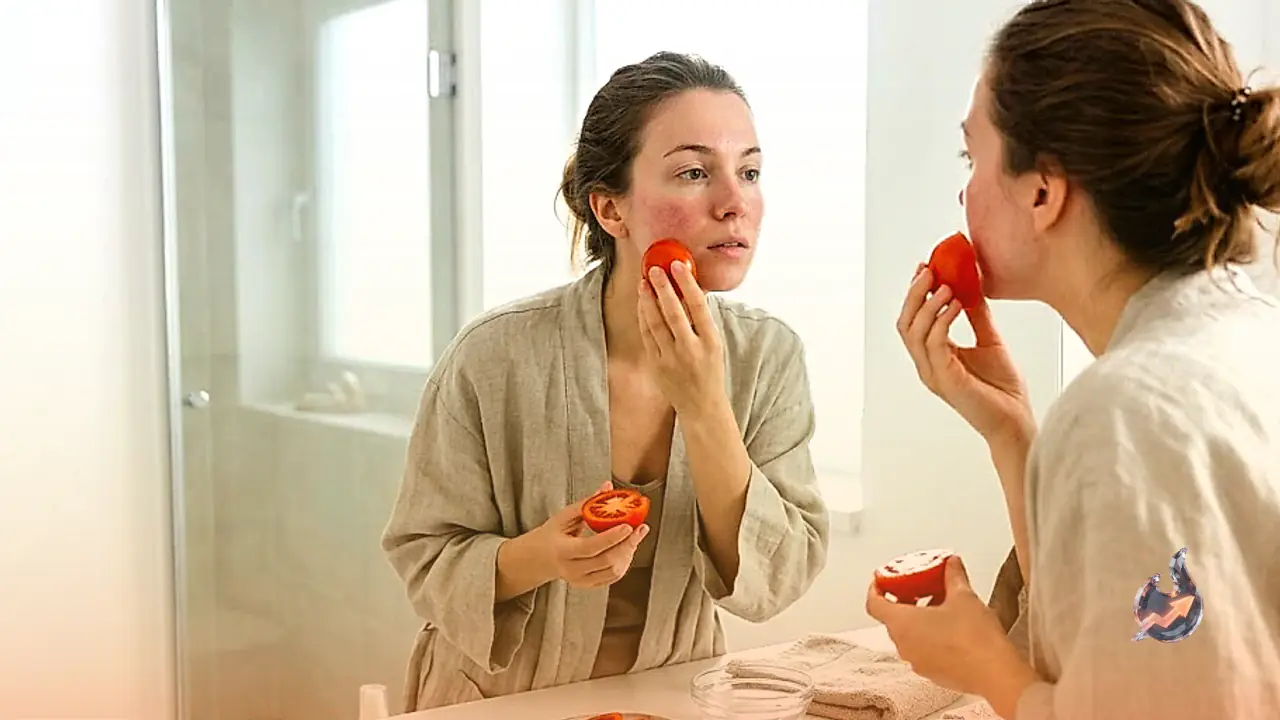

Sun exposure frequently leads to skin tanning, leaving the face looking dull, fatigued, and noticeably darkened. In a bid to restore their original complexion quickly without relying on synthetic cosmetics, many individuals immediately turn to kitchen ingredients. Among various popular household remedies, rubbing freshly sliced tomatoes directly onto the skin is widely promoted as a quick fix capable of vanishing tan lines within minutes.
Despite widespread social media claims celebrating raw tomato as an effortless brightening solution, dermatological science presents a very different reality. Dr. Ruben Bhasin Passi, Senior Consultant Dermatologist at CK Birla Hospital in Gurugram, points out that applying raw food items directly to facial skin involves significant risks that many people overlook.
Does Tomato Truly Eliminate Sun Tanning
Tomatoes have held a prominent spot in traditional DIY skincare regimens for decades. Rubbing a sliced tomato across the face is commonly perceived as an accessible, cost-free method to exfoliate, brighten, and refresh the skin. Because tomatoes naturally pack antioxidants and plant acids, the practice appears entirely benign to casual observers.
However, dermatologists emphasize the necessity of distinguishing between edible kitchen staples and scientifically stabilized skincare formulations. The primary misconception lies in believing that abrasive tomato application can magically erase tan from the face. In reality, a tan is not an external layer of accumulated grime that can be scrubbed away with fruit acids.
When skin is exposed to ultraviolet radiation from the sun, it triggers an internal defensive reaction, causing skin cells to ramp up melanin synthesis. Melanin functions as a natural biological shield designed to protect cellular DNA from UV damage. While tomatoes contain vitamin C, antioxidants, and beneficial plant compounds, rubbing the raw pulp over facial skin does not serve as a validated medical treatment for reversing pigmentation. Sun tan fades gradually as skin cells naturally turn over and regenerate, a process that requires consistent photoprotection rather than physical abrasion.
Acidic Damage to the Delicate Skin Barrier
Dr. Passi explains that tomatoes are inherently acidic, and this natural acidity is precisely where kitchen remedies often go wrong. Applying raw, acidic juice directly to delicate facial tissue, especially accompanied by friction, can induce severe skin irritation. The danger escalates dramatically for individuals with sensitive skin, active eczema, or an already compromised moisture barrier.
The skin barrier is not merely an aesthetic concept; it is the outermost biological shield responsible for sealing in hydration while keeping environmental pathogens, pollutants, and irritants out. Over-scrubbing or subjecting the skin to harsh organic acids can degrade this protective layer, precipitating several acute problems
- Extreme Dryness: The barrier loses its ability to retain moisture, resulting in rough, flaking skin.
- Persistent Redness and Tightness: The skin feels strained, inflamed, and visibly flushed.
- Heightened Sensitivity: Even neutral moisturizers and water can cause stinging or uncomfortable sensations.
The Stinging Sensation Is a Warning Sign Not Efficacy
A persistent skincare myth claims that tingling, warmth, or stinging sensations following the application of a remedy indicate that the active ingredients are actively working. Dr. Passi refutes this idea, clarifying that burning and erythema are clear indicators of barrier distress and acute irritation. The identical cautionary principle applies to raw lemon juice and other highly acidic household remedies.
A stronger stinging sensation does not translate into improved radiance. On the contrary, persistent micro-inflammation stimulates melanocyte activity in susceptible individuals, leading to post-inflammatory hyperpigmentation, commonly abbreviated as PIH. Consequently, the practice can backfire completely, leaving behind darker, more stubborn patches than the initial sun tan.
Safety Guidelines for Applying Tomato Topically
For those who still choose to experiment with tomato-based remedies, adhering to specific dermatological precautions is essential to mitigate harm
- Avoid Aggressive Rubbing: Never press or scrub tomato slices vigorously against the skin.
- Keep Away from Broken Skin: Do not apply juice to open cuts, active acne breakouts, or irritated patches.
- Wash Off Immediately if Discomfort Occurs: Rinse the face thoroughly with plain water at the first sign of itching or burning.
- Perform a Patch Test First: Test a small dab of fresh juice behind the ear or on the inner forearm for 24 hours before facial contact.
- Never Treat as Sunscreen: Raw tomatoes offer zero UV protection and cannot replace broad-spectrum sunscreen.
Safe and Evidence-Based Solutions for Sun Tanning
Rather than relying on unbuffered kitchen items that compromise skin health, managing sun-induced pigmentation calls for clinically proven habits
- Consistent Sun Protection: Diligent sun avoidance remains the most effective strategy. Generously apply a high-grade broad-spectrum sunscreen prior to outdoor exposure, and reapply every few hours when sweating or staying under direct sunlight.
- Physical UV Barriers: Shield facial skin directly by utilizing wide-brimmed hats, umbrellas, and UV-rated sunglasses.
- Clinically Proven Active Ingredients: Consult a dermatologist to incorporate evidence-based ingredients such as vitamin C serums, niacinamide, or topical retinoids to accelerate cellular turnover and fade discoloration safely.
Believing that rubbing raw tomato across the face offers a swift cure for tanning is an unfounded myth. Because tanning is a natural biological response to UV rays, the only dependable path to skin recovery relies on daily photoprotection and scientifically formulated skincare.