





















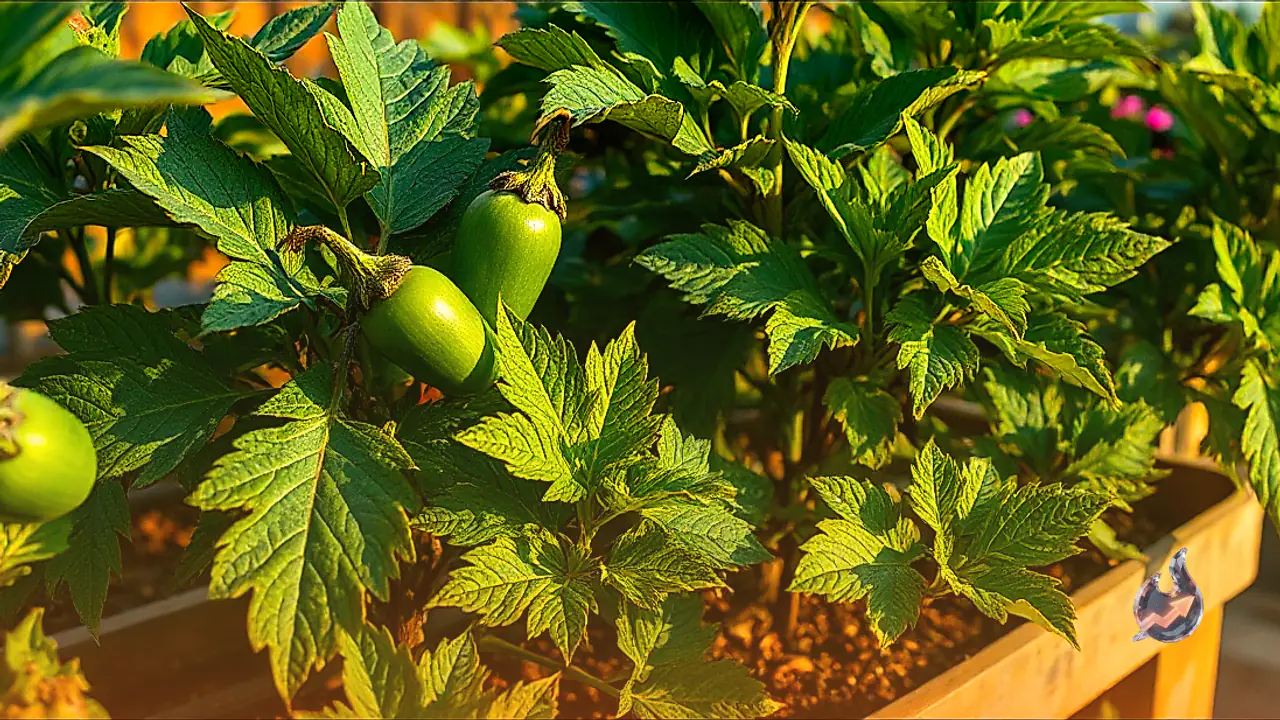

Cultivating fresh vegetables in containers across terraces and home balconies has turned into a widespread gardening practice. Among various backyard crops, brinjal stands out as a rewarding option that usually demands relatively simple upkeep. Even so, urban gardeners frequently run into a puzzling issue where the plant develops lush, dense green leaves yet fails to set flowers or yield harvestable vegetables. Such unbalanced vegetative growth typically stems from a lack of targeted soil nutrition. Combining rinsed and dried tea residue with well-decomposed organic manure or vermicompost offers an accessible way to revitalize potting soil and encourage robust fruiting.
Proper Cleaning and Drying of Used Tea Leaves
Adding discarded tea residue straight from the kitchen pot into container soil is a common misstep that must be avoided. Leftover tea particles carry residues of milk fats and sugars, which easily cultivate harmful fungal infections and attract soil pests. The correct approach begins with rinsing the brewed leaves thoroughly under clean water until all traces of dairy and sweetness are completely washed away. Once cleaned, spread the leaves out under direct sunlight until they dry entirely. Applying only fully dried, clean tea grounds ensures that the soil receives beneficial organic content without risking root rot or insect infestations.
Blending and Applying the Vermicompost Formula
After the rinsed tea grounds have dried completely, take one or two handfuls of the material and mix them evenly with roughly two to three handfuls of mature vermicompost. Gently incorporate this blended mixture into the top layer of the potting soil around the container. When applying the mixture, maintain a deliberate gap away from the plant stem rather than piling it directly against the base, ensuring that sensitive root crowns and lower bark remain uninjured. Following this gentle top-dressing, supply adequate water to the container based on the prevailing soil moisture.
Sunlight Exposure, Watering Discipline, and Nutrition
Relying on a single organic supplement alone will not guarantee a heavy harvest, because containerized brinjal plants depend heavily on a triad of balanced feeding, proper light, and monitored hydration. Brinjal thrives when placed in a location receiving roughly 6 to 8 hours of uninterrupted daily sunlight, subject to local weather conditions and seasonal intensity. Water should only be applied when the upper surface of the soil feels dry to the touch. Preventing waterlogging inside the pot is crucial, as standing water cuts off oxygen to the root zone and causes decay. Supplementing the soil periodically with fully decomposed organic manure maintains steady nutrient levels throughout the growing cycle.
Pest Vigilance, Pruning, and Timely Harvesting
The transition toward the flowering phase requires increased visual monitoring of the foliage. Gardeners should check the undersides of the leaves regularly for small white insects or common garden pests, initiating timely control measures before colonies multiply. Removing overly weak, dry, or unproductive stems helps direct the plant's resources toward developing blossoms. Furthermore, mature brinjals should not be left lingering on the branches indefinitely; picking the vegetables once they reach their proper harvestable size stimulates the plant to push out fresh flowers and set subsequent batches of fruit.