




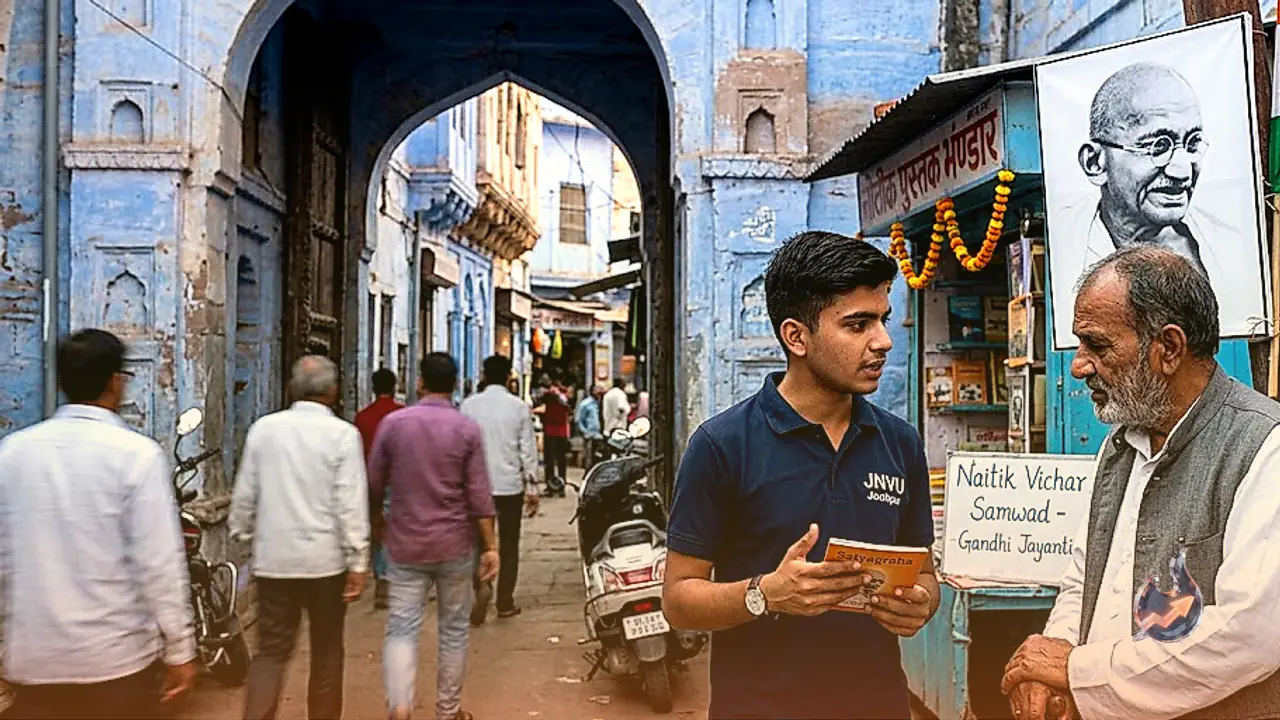


















Every year on October 2, India observes the birth anniversary of Mohandas Karamchand Gandhi with profound reverence and national pride. Born in Porbandar, Gujarat, on October 2, 1869, he played the most instrumental role in steering the country toward freedom from British rule. His vision transformed an entire nation, demonstrating how moral resolve and peaceful persistence could dismantle imperial authority while instilling self-respect across diverse communities.
Landmark Movements and the Journey to Independence
The struggle for self-rule under his stewardship turned into a mass crusade. He mobilized ordinary citizens across varied fronts, leading pivotal initiatives such as the Champaran Satyagraha to defend agrarian rights, the Non-Cooperation Movement to foster national self-reliance, the Dandi March to defy unjust taxation, and the Quit India Movement to deliver a decisive push for complete sovereignty. These milestones knitted millions of individuals into a united force, transcending regional and social divides. The nation observes this solemn occasion to express enduring gratitude for his peerless service to Indian statehood.
Timeless Reflections on Truth, Non-Violence, and Moral Strength
Sharing his foundational teachings on this commemorative day serves as a meaningful reminder of values that sustain society. His reflections offer clear perspectives on human relationships and inner strength
- Anchoring life in truth and non-violence remains the most resilient path to resolving differences without resorting to physical conflict.
- The moral force of unarmed resistance holds greater endurance in every conceivable circumstance than any armed might.
- Holding steadfast convictions while maintaining courteous speech reflects an inner strength far more enduring than aggressive displays.
- Rejecting cycles of vengeance, he underscored that an unyielding eye-for-an-eye mindset ultimately leaves the entire world blind.
- Human decency calls for condemning wrongful actions while retaining empathy for the human being behind them.
- Refusing to witness evil, hear evil, or utter malicious words forms the foundation of personal discipline.
- A deep commitment to non-violence represents the ultimate moral standard for civil conduct.
- Meaningful work requires wholehearted dedication and care, suggesting that tasks lacking sincere devotion are better left unpursued.
- Genuine forgiveness is an attribute of internal resilience, whereas harboring bitterness remains a characteristic of weakness.
- The true worth of people and shared moments is often realized with greater clarity only after they are lost.
Perspectives on Learning, Governance, and Self-Determination
His philosophy extended far beyond the immediate struggle against colonial governance, addressing systemic education, social responsibility, and cultural life
- A vibrant democracy cannot flourish on superficial knowledge alone; it demands grounded, character-building education accessible to all citizens.
- A nation's authentic cultural heritage is preserved within the collective spirit, integrity, and daily lives of its people.
- Balancing humility with relentless intellectual growth, he encouraged individuals to live conscientiously each day while seeking wisdom as though life were eternal.
- Genuine freedom is not merely the absence of external shackles; it must inherently include the liberty to make errors and learn from them.
- Total autonomy is indivisible, requiring communities to remain fully independent rather than accepting partial self-rule.
- Real progress begins from within, reminding everyone to personally embody the ethical and constructive changes they wish to see across the wider world.