



















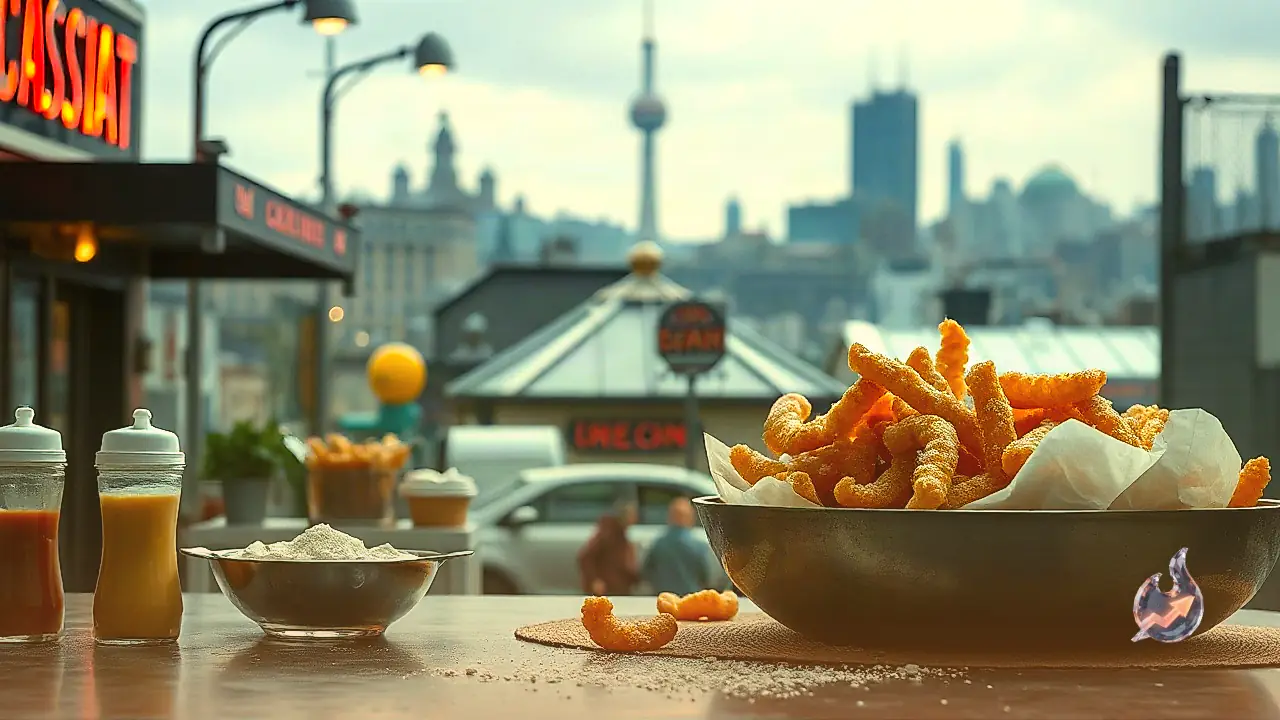

A fresh batch of hot fried treats is always welcome on pleasant evenings or during tea time. Yet, many home cooks struggle when fritters absorb far too much grease, turning soggy and difficult to digest. This problem usually traces back to a few fundamental oversights in preparation. By adopting the right kitchen techniques, it becomes easy to produce savory snacks that stay crisp on the outside, tender inside, and notably lighter on the palate.
Perfecting the Batter Thickness and Resting Period
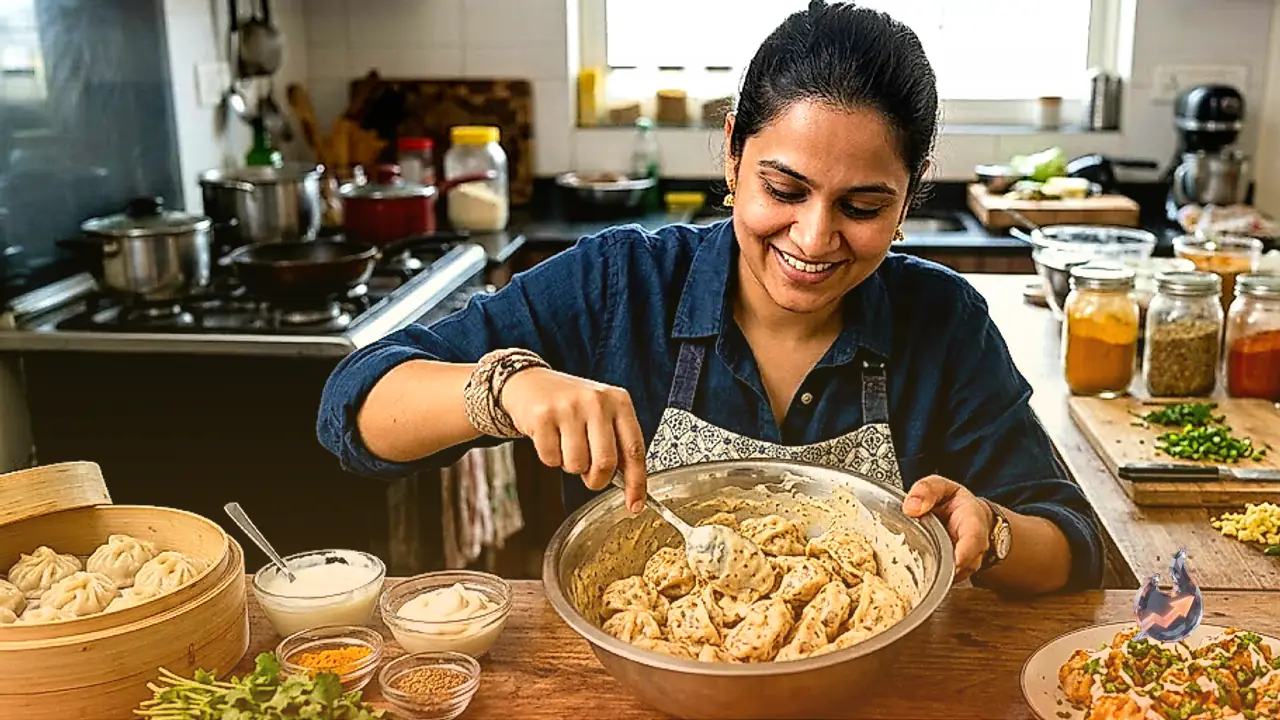
A runny batter is one of the leading reasons fried snacks turn greasy. Excess water causes the mixture to soak up oil rapidly while softening the exterior crust. The batter must stay thick enough to coat vegetable slices evenly without dripping away completely.
Patience after mixing also transforms the final texture. Setting the chickpea flour blend aside for 10 to 15 minutes lets the flour hydrate and swell properly. This resting stage ensures the fried morsels turn out airy and crunchy rather than dense.
Mastering the Frying Temperature
Heat control dictates how much oil food retains during frying. Placing battered items into lukewarm oil causes them to behave like sponges, taking in excessive fat. Conversely, scalding hot oil browns the outer skin almost immediately while leaving the raw batter inside uncooked. Maintaining medium to high heat guarantees steady frying without scorching.
Avoid Crowding the Pan
Dropping too many pieces into the pan at once causes the oil temperature to plummet abruptly. As the heat dissipates, the food sits soaking up oil instead of sizzling into a firm crust. Frying in small, organized batches gives each item enough space to cook evenly.
Practical Steps to Boost Crunchiness
Several simple adjustments can elevate the texture of your savory snacks
- Rice flour or semolina addition: Mixing in a small portion of rice flour or fine semolina provides an extra bite while minimizing fat absorption.
- Vigorous whisking: Whisking the batter thoroughly incorporates air pockets, resulting in a significantly lighter texture.
- A pinch of baking soda: Adding a tiny pinch of baking soda helps the batter expand delicately as it hits the hot pan.
- Draining excess vegetable moisture: Always pat chopped vegetables dry before coating them, preventing released juices from watering down the mixture.
- Paper towels for draining: After cooking pieces until golden over medium heat, rest them on kitchen paper towels to remove surface oil.
Favorite Vegetables and Serving Ideas
Potatoes, onions, spinach leaves, cauliflower florets, eggplants, and green chilies remain the top vegetable choices for homemade fritters. Pairing these crunchy bites with refreshing mint-coriander dip or sweet tamarind chutney elevates the overall dining experience.