






















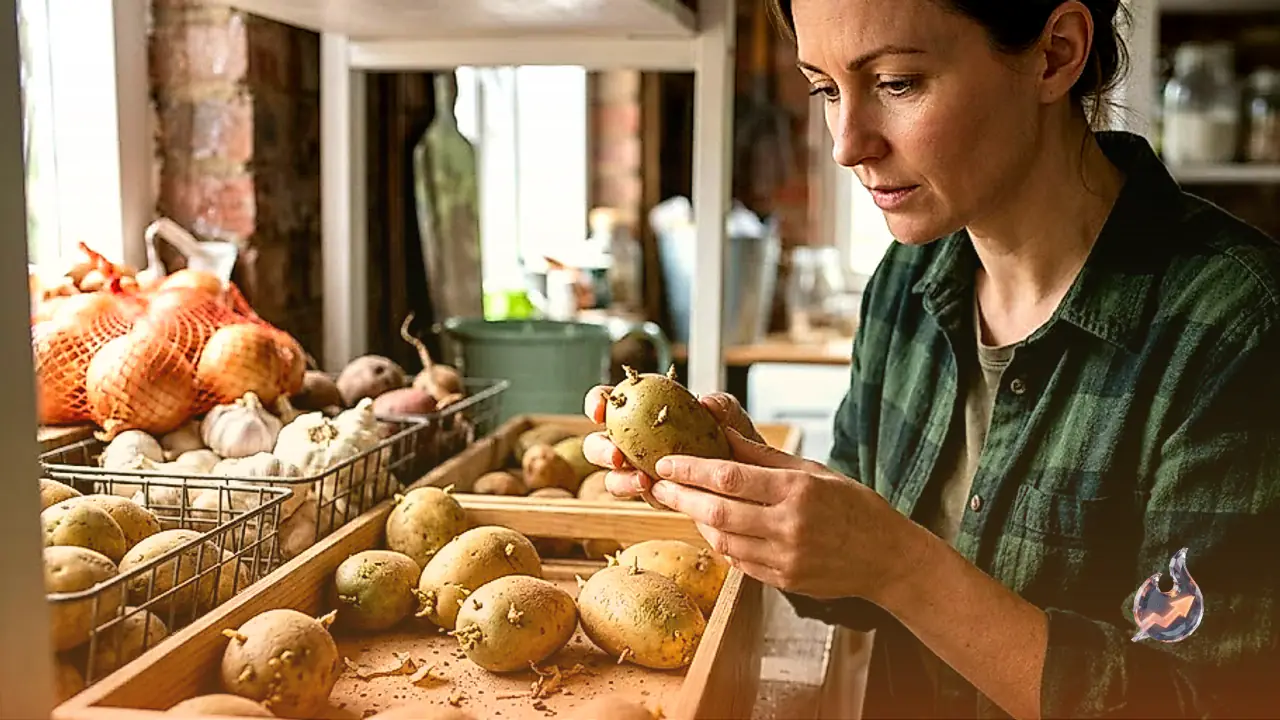

Careless vegetable storage in domestic kitchens can quietly turn an everyday staple into a health concern. Tubers kept in poor household settings frequently develop greenish patches or send out small sprouts. While many consumers overlook these visible changes, agricultural specialists urge caution before cooking such produce. Prof. Ashok Kumar Singh, head of the Department of Soil Science and Agricultural Chemistry at Shri Murli Manohar Town Post Graduate College in Ballia, points out the biochemical shifts that occur when root crops are improperly handled.
The Critical Role of Airflow and Dry Storage
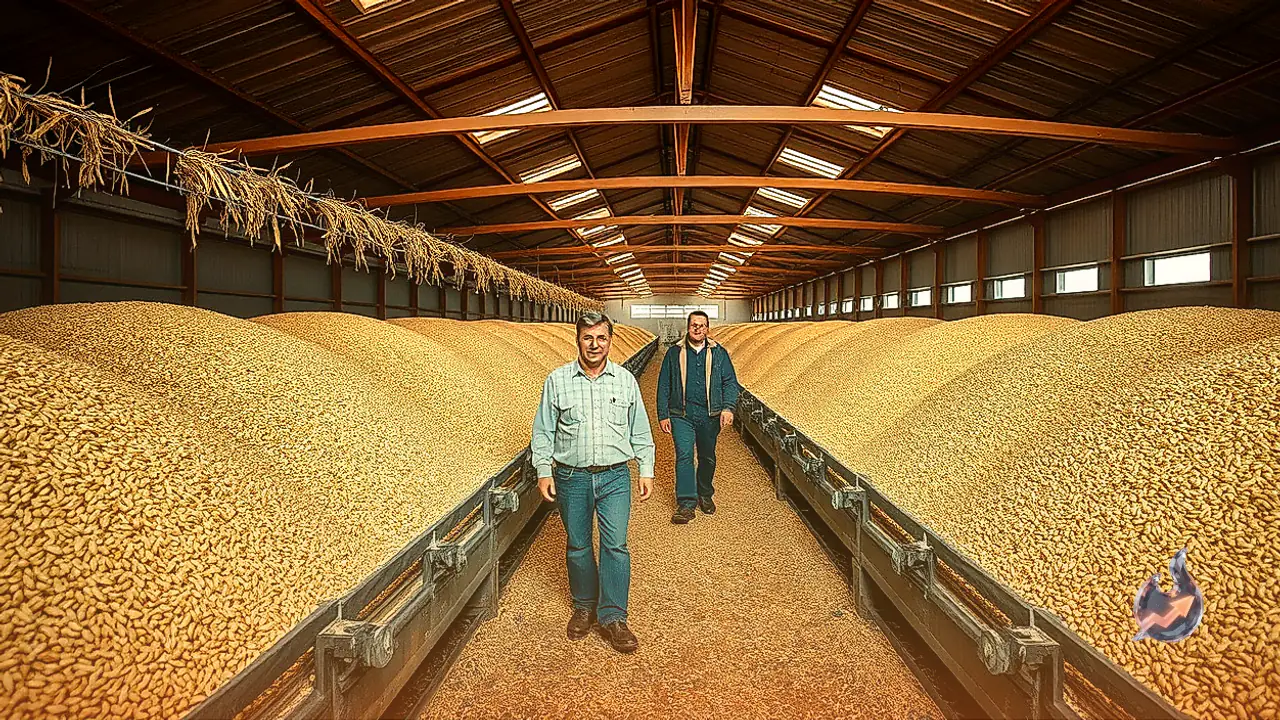
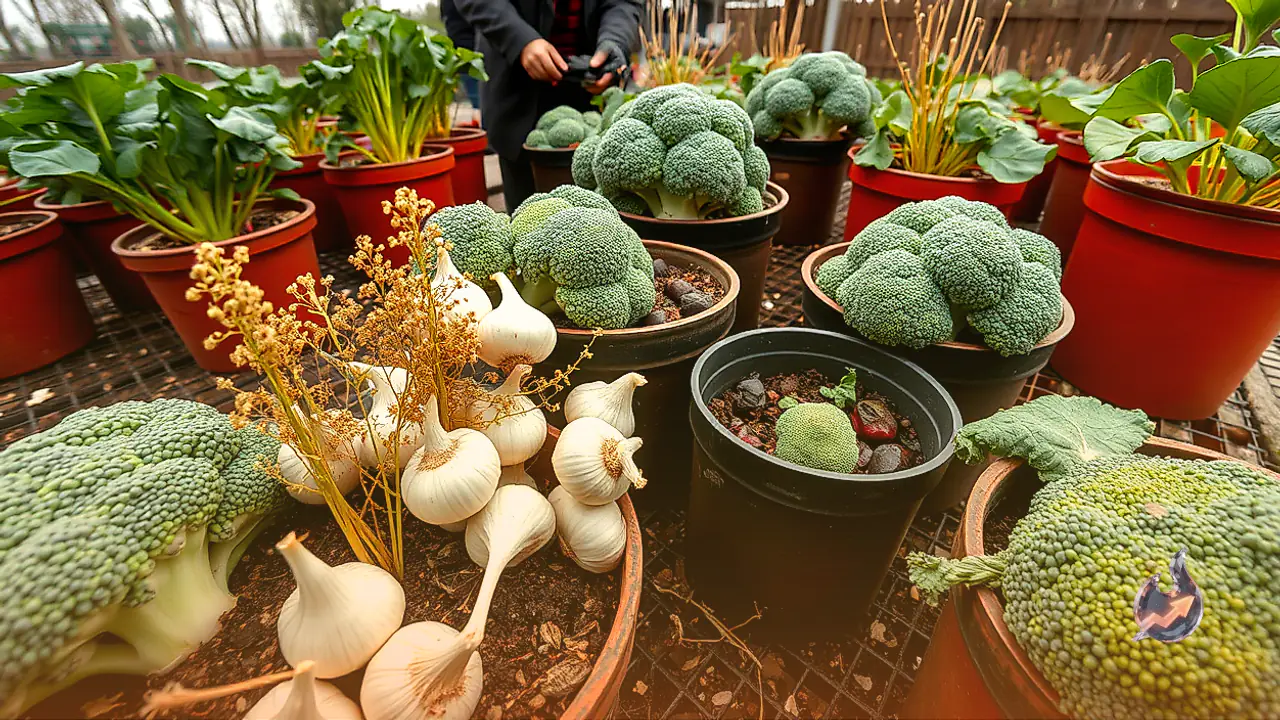
Root and tuber crops harvested from beneath the soil, including garlic, onions, and potatoes, demand controlled environments after digging. Excessive dampness triggers premature sprouting across all these items. Prof. Ashok Kumar Singh emphasizes that tubers require spaces with continuous ventilation and completely dry ambient air. Keeping them away from moisture prevents the rapid biological activation that ruins their firmness and usability.
Sunlight Exposure and Toxic Solanine Formation
When stored potatoes encounter direct light or solar rays, their skin often develops discolored blue or green blemishes. According to Prof. Singh, this exposure spurs the accumulation of a toxic compound known as solanine. Ingesting notable quantities of solanine directly threatens digestive wellness, frequently sparking stomach discomfort and gastrointestinal distress. Whenever discoloration appears on a tuber, the entire green segment must be deeply excised and discarded before the rest is prepared.
Nutrient Loss During Sprouting Cycles
Once shoots emerge from the surface, the internal composition of the tuber degrades rapidly. Prof. Singh advises individuals against eating potatoes that have fully sprouted. During this growth stage, stored starch reserves migrate directly into the developing shoots to fuel their expansion. Consequently, the vegetable loses its starch content, while its culinary flavor deteriorates noticeably. If shoots are only beginning to appear, snapping them off immediately can help arrest further degradation.
Metabolic Concerns for Diabetic Individuals
Given that potatoes are inherently packed with starch, excessive dietary consumption can burden the metabolic system. Once ingested, starches break down into glucose, driving up blood sugar levels. Because of this physiological response, people managing diabetes are urged to moderate their potato intake carefully to prevent sudden glycemic spikes.
Preserving the Natural Chemistry of Green Vegetables
When fresh produce is readily available in markets, relying heavily on potatoes becomes unnecessary. Cooking green vegetables such as bitter gourd, okra, and pointed gourd without adding potatoes helps maintain nutritional balance. Prof. Singh explains that every vegetable possesses a distinct chemical identity. Rather than blending potatoes into every dish, homemakers should cook each vegetable according to its natural qualities to gain its full dietary benefits.