























Containers in a kitchen garden often draw lines of marching ants, which can turn into a destructive problem if left unchecked. These insects do not gather around potted greens without reason; their appearance is almost always triggered by sap-sucking pests such as aphids or mealybugs. As these tiny bugs feed on vegetation, they secrete a sugary residue known as honeydew that ants actively seek out. Furthermore, constantly soggy potting mix or any accidentally spilled sweet food scraps can create an attractive setting where ant colonies establish nests very quickly.
How Ants Inflict Indirect Damage on Potted Greens
According to garden expert Mo Alam, ants do not consume leaves or stems directly, yet their presence leads to considerable harm over time. Driven by an appetite for sweet residue, ants vigorously defend harmful sap-sucking bugs from predatory birds, ensuring their food supply remains steady. Additionally, ants excavate deep subterranean tunnels throughout the container soil. These voids prevent water and essential air from reaching tender root networks, causing roots to weaken and eventually leading the entire plant to wither and collapse completely.
Neem Oil as a Protective Garden Spray
Neem oil functions as an effective natural shield against common garden pests. To prepare an easy treatment, mix five to six drops of pure neem oil and roughly two drops of liquid dish soap into one liter of clean water. Shake the container thoroughly and transfer the blend into a spray bottle before misting it directly over the foliage and surface soil. The sharp bitterness and potent scent of neem drive ants away instantly while eradicating other microscopic parasites breeding inside the growing medium.
Turmeric Powder for Soil Health and Pest Defense
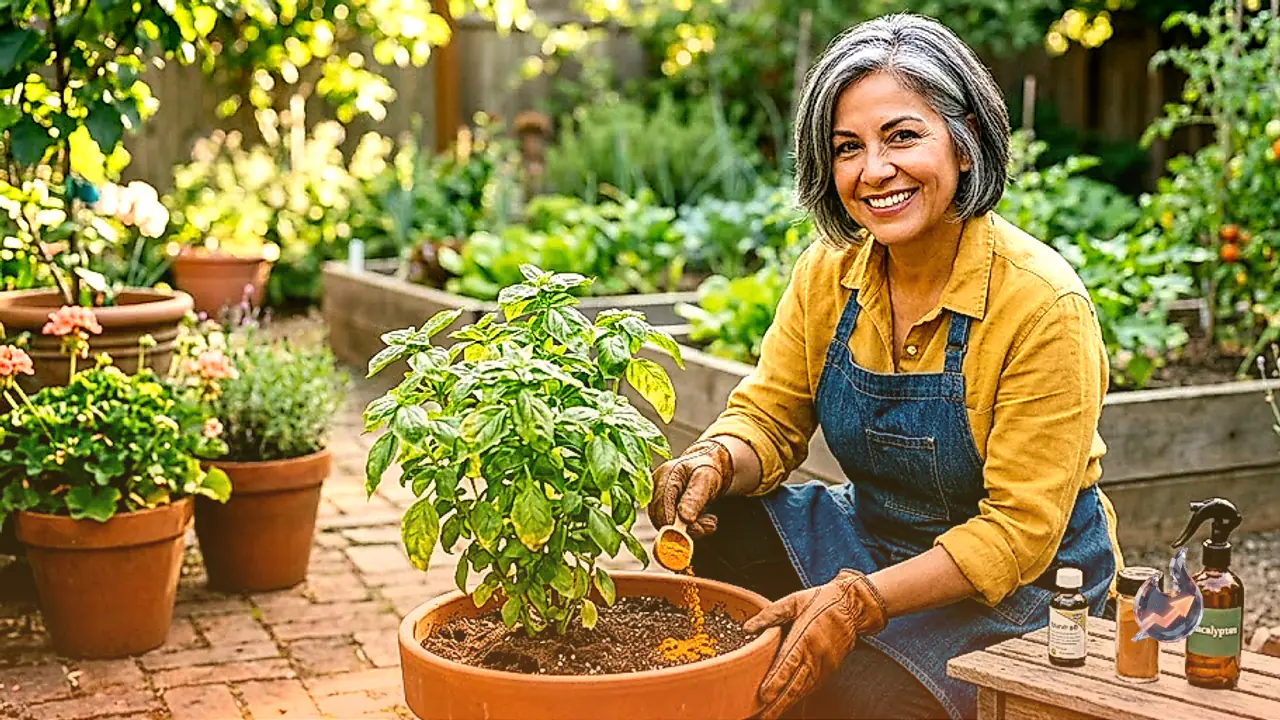
Common household turmeric serves as another potent repellent for stubborn pests. Garden expert Mo Alam explains that turmeric is packed with natural antibacterial properties that actively repel ants from potting mixtures. To apply this method, loosen the top layer of potting mix gently and stir in one spoonful of ground turmeric powder. Alternatively, the spice can be mixed with water and poured directly into the root zone. This double-action approach repels invading ants while shielding delicate root systems against destructive soil fungus.
Ground Cinnamon to Disrupt Pests
The strong and pungent aroma of ground cinnamon creates an unbearable environment for ant colonies. This kitchen staple is completely harmless to vegetation and requires minimal effort to apply. Simply take one to two teaspoons of finely milled cinnamon powder and scatter it generously around the main stem and root area on top of the soil. The intense smell overwhelms the sensory tracking abilities of ants, prompting them to abandon the container within several hours without inflicting any stress on the plant.
Diluted White Vinegar to Remove Scent Trails
White vinegar works by stripping away the invisible pheromone paths that ants use to navigate, leaving worker ants disoriented. Formulate a simple solution by combining equal parts white vinegar and plain tap water in a spray bottle. Apply this liquid around the exterior rims of pots, shelving stands, and known access paths leading into the garden area. Avoid spraying heavy concentrations directly onto fragile, tender leaves. The sharp acidic smell forces ant colonies to alter their path immediately and clear out of the garden space.
Citrus Peels and Peppermint Infusions
Ants naturally avoid acidic compounds and pungent scents. Boiling leftover lemon peels in water creates a refreshing citrus wash that can be sprayed across potting soil after cooling. In addition, blending fresh mint leaf extract or adding a few drops of peppermint oil into plain water makes another formidable repellent. These aromatic sprays not only drive unwanted colonies away from kitchen garden containers, but they also maintain a crisp, invigorating fragrance across the entire balcony or patio area.
Preventative Steps to Protect Garden Pots
Preventing re-infestation requires consistent garden hygiene and careful watering routines. Avoid saturating container soil beyond what the plant requires, and clear out dead foliage and decaying organic matter from pot bases regularly. Whenever signs of aphids or mealybugs appear, eliminate them right away to deny ants their preferred sugary nutrition. Moving planters into bright sunlight every few days also deters nesting. Keeping containers tidy and monitored ensures that ant colonies do not attempt a comeback.