























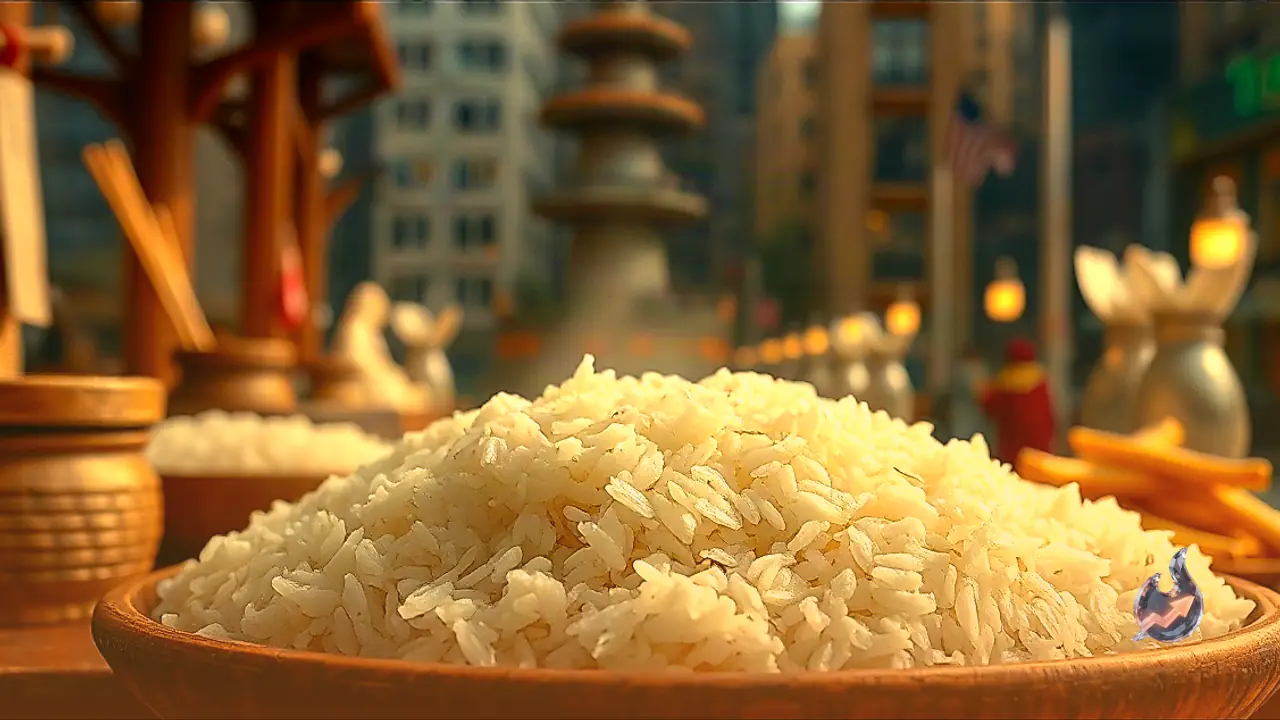

Turning a pot of rice into an unappealing, sticky mash is one of the most common kitchen frustrations. While many assume that inferior grain quality is solely to blame, the actual culprit is usually a series of small missteps during washing, soaking, and simmering. Mastering a few fundamental techniques can easily transform any batch into distinct, perfectly cooked grains.
Choosing the Appropriate Variety for Your Meal
Different grain varieties possess distinct starch contents and cooking behaviors. Basmati, for instance, features slender, elongated grains that naturally remain separated after preparation, whereas several regional short-grain varieties carry significantly denser starch levels. When seeking light, non-sticky results, selecting premium Basmati or alternative low-starch cultivars provides the most reliable starting point.
Rinsing Thoroughly to Eliminate Excess Surface Starch
Raw rice grains carry a cloudy coating of surface starch produced during milling. When cooked without proper cleaning, this residual starch dissolves into the boiling liquid, forming a glue-like texture that binds the grains together. Rinsing the raw grains gently in a bowl 2 to 3 times until the runoff turns noticeably clear removes this excess layer and prevents clumping.
Allowing Adequate Soaking Time Before Heating
Soaking the washed grains for 20 to 30 minutes prior to placing them on the stove yields major texture benefits. During this resting period, the grains absorb water evenly through their core, which shortens total cooking duration. This pre-hydration also reinforces structural integrity, preventing the grains from snapping apart or curling during the boil.
Measuring the Exact Water-to-Rice Balance
Excessive liquid remains the primary reason rice turns overly soft and mushy. Under standard preparation methods, 1 cup of Basmati requires merely 1.5 to 2 cups of water to cook through completely. Because moisture requirements vary slightly depending on the age and variety of the grain, checking the manufacturer instructions printed on the packaging is always advisable.
Managing Burner Heat and Avoiding Agitation
Temperature control directly impacts final texture. Bring the liquid to an initial boil over high heat, then immediately drop the flame to low and secure the pot with a tight-fitting lid. Gentle simmering under closed steam cooks each grain evenly. Crucially, resist the urge to stir the contents while simmering, as repeatedly mixing with a spoon fractures delicate grains and releases internal starch back into the pan.
Resting and Fluffing for the Final Texture
Once the water has evaporated and the heat is switched off, keep the lid in place for 5 to 10 minutes. This resting phase allows residual heat and trapped steam to finish setting the grains. Afterward, gently separate and lift the grains using a fork rather than a heavy spoon, giving the rice a light, airy, and fluffy presentation ready for the dining table.