






















Discussions around public safety and traditional values in everyday society often devolve into rigid scrutiny of young women, focusing on their attire, travel hours, and choice of friends. This conventional perspective presumes that order is maintained solely through surveillance and domestic restrictions. An unsettling episode from Jamui district in Bihar has shattered that presumption, bringing painful questions to the fore. When an aggressive group corners vulnerable minors under the pretext of moral policing, the very claims of cultural values ring hollow. The occurrence cannot be dismissed merely as an isolated instance of street harassment; it directly mirrors a deeper social malaise where rogue bystanders presume authority over public spaces and harass young citizens with utter impunity.
Ambushed and Harassed on the Route from Marwa Pahar
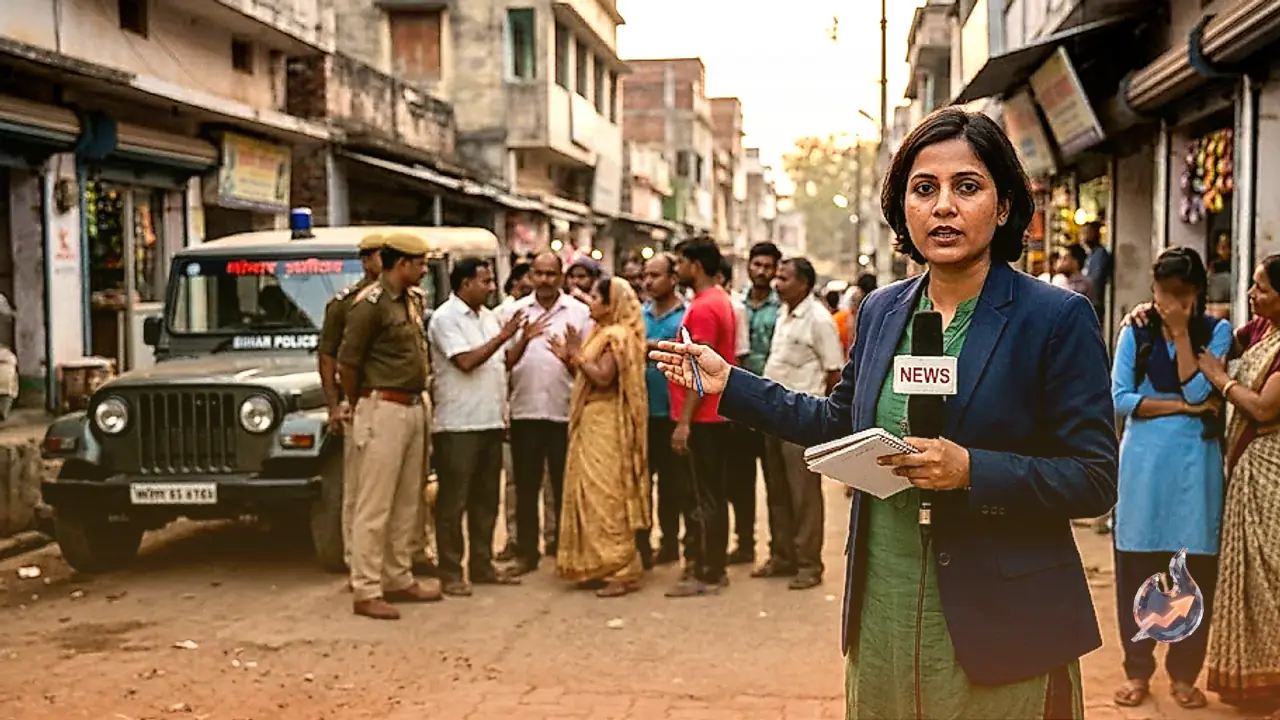
The disturbance took place on the evening of September 19, when two Class 10 classmates were riding home on a scooter following their tuition sessions in Jamui. They had traveled towards Marwa Pahar and were heading back when an unruly group intercepted their two-wheeler along an isolated stretch. The mob surrounded the boy and girl, questioned their presence aggressively, subjected them to physical battery, and allegedly molested the schoolgirl. Rather than offering assistance or behaving responsibly, members of the group recorded the entire harassment on smartphone cameras. Once the recording made its way onto social media platforms, public outrage erupted, forcing law enforcement agencies to initiate action. Police officials confirmed that several accused individuals were identified through the visual material, leading to the detention of three suspects for further interrogation.
Trapped Minors Stood Ground to Shield Each Other
Amid the horrifying mistreatment, the mutual solidarity displayed by the two teenagers stood out prominently. Confronted by hostile strangers, the schoolboy remained steadfastly by his classmate, while the girl held onto her friend, neither abandoning the other in the face of imminent danger. The footage captured both minors pleading before the circle of aggressors to be spared and allowed to leave, before they ultimately managed to escape the situation. While their composure under intense intimidation reveals exceptional personal loyalty, no civilized society should demand such heroism from children. Tenth-grade students should never be forced to defend themselves against predatory crowds; their fundamental right is to commute between educational centers and home in complete safety without fear.
Imposing Restrictions on Girls While Excusing Boys
Community policing often focuses entirely on restricting the movements of young girls. Families repeatedly instruct daughters to avoid traveling unaccompanied, stay indoors after twilight, limit friendships with male peers, and seek prior approval for routine visits. However, similar emphasis is rarely placed on mentoring boys about consent, bodily autonomy, and basic decency. Young men must be unequivocally taught that touching anyone without permission, obstructing a commuter, encircling pedestrians, and filming human vulnerability are punishable offenses. When social expectations place all burdens of morality onto young women while leaving aggressive masculine behavior unchecked, it reinforces a discriminatory culture that empowers predators.
Fear of Social Stigma and Delays in Seeking Justice
A notable aspect of the Jamui incident was the initial absence of a formal police complaint from the victims' guardians. It was only after the clip went viral across online channels, igniting widespread political criticism, that the police took suo motu notice of the matter. Investigators tracked down the affected family, after which an official first information report was registered. This reluctance to approach law enforcement underlines how heavily public shame, potential ostracization, and fear of invasive questioning weigh on affected families. When parents dread social blame more than the crime itself, it indicates an environment where the survivor faces more scrutiny than the actual perpetrators.
Smartphone Voyeurism and Secondary Trauma
The rampant proliferation of pocket devices has introduced a disturbing wave of digital detachment. Instead of intervening to rescue distressed adolescents or immediately alerting law enforcement, bystanders frequently turn into spectators, recording misery for virtual circulation. Disseminating video clips depicting sexual harassment of a minor inflicts renewed emotional trauma upon the survivor and violates fundamental privacy norms. While authorities have indicated steps to purge the circulated footage from web networks, systemic reform demands collective empathy. True cultural grounding is not determined by monitoring curfews, but by ensuring that society respects personal dignity, rejects vigilantism, and upholds the rule of law for all citizens.