





















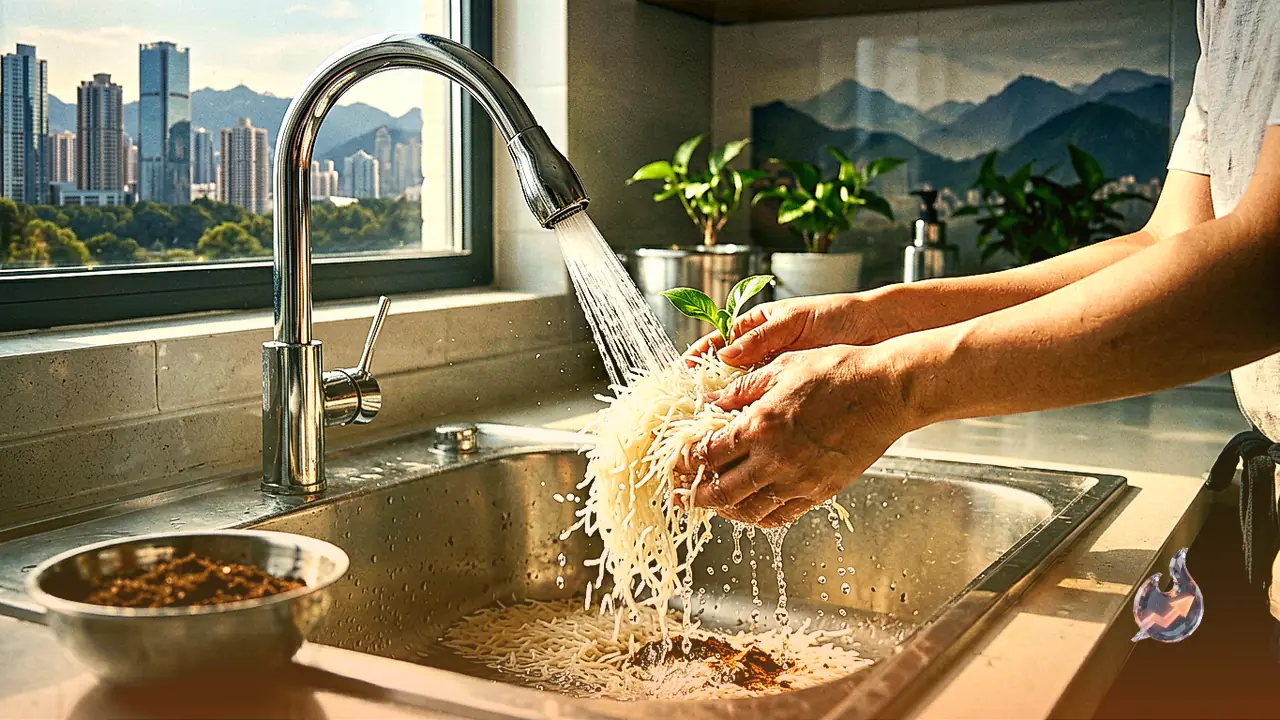

Houseplant enthusiasts often experiment with various home remedies to boost plant growth. Recently, using water from washing rice has become quite popular among gardeners. Because this water contains starch and minor traces of nutrients, many consider it beneficial for plants. However, like most things, overusing it can cause serious damage. Specifically, pouring rice water into pots too frequently can trap excessive moisture in the soil, raising the risk of root damage.
The Hidden Danger to Plant Roots
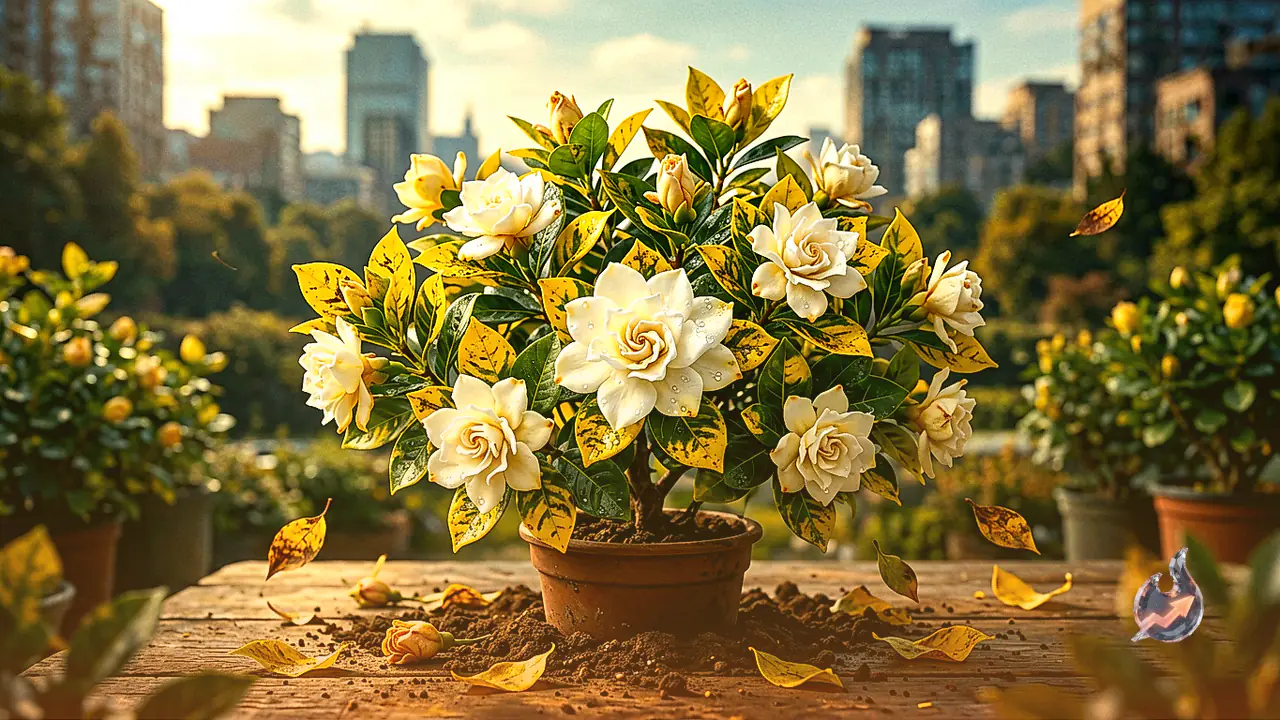
Ram Sagar, a nursery owner based in Rishikesh, explains that the biggest drawback of rice water occurs when it is used excessively. Continuous watering prevents the soil in the pot from drying out properly. Plant roots require adequate oxygen alongside water to stay healthy. When soil remains constantly damp, root rot can easily set in. Consequently, plant leaves begin to turn yellow and overall growth slows down. Therefore, gardeners should avoid applying it on a daily basis.
Fungal Growth and Soil Quality Issues
Rice washing water naturally contains starch. If this water is repeatedly poured into the soil, the concentration of organic matter increases significantly. In certain conditions, this leads to a mold-like layer forming on the soil surface. While this layer is not always harmful, its continuous buildup signals that moisture and organic matter are accumulating beyond safe levels. In such instances, pausing its use for a while is the best approach.
Crucial Precautions to Keep in Mind
Another vital factor is that not all rice washing water is suitable for plants. If the water contains salt, spices, oil, or soap residues, you must avoid pouring it into pots. Such contaminants can severely alter soil quality and damage delicate roots. Always use water derived solely from washing plain, raw rice. Using clean water remains the safest practice for maintaining plant health.
Special Care Needed for Small Pots
Extra caution is required when applying rice water to smaller pots. Compared to large containers, soil in small pots retains moisture much faster. If the pot lacks proper drainage holes at the bottom, the problem multiplies. Standing water keeps the surrounding root zone constantly saturated. Therefore, always verify the pot drainage system before introducing any household liquid.
If you notice a strange odor emanating from the soil after applying rice water, do not ignore it. Foul smells usually indicate excessive moisture or accumulated organic matter undergoing anaerobic breakdown. During such times, stop using rice water for a few days and let the soil dry out completely. Drain any stagnant water trapped inside the container and monitor the plant closely.
Understanding Different Plant Requirements
Not every plant appreciates rice water. Different plant varieties have unique watering and soil preferences. Certain plants thrive in dry soil, whereas others prefer slight moisture. Pouring starchy water into drought-tolerant plants frequently is counterproductive. If you are trying this method for the first time, start with small quantities. Observe the foliage, soil condition, and growth rate, and discontinue use immediately if any stress signs appear.
Balanced Plant Care is Essential
Rice water is not entirely useless, but treating it as a substitute for regular fertilizer and pouring it daily is a mistake. If you wish to use it, collect clean water from plain rice, let it cool completely, and apply it only occasionally. Preventing water stagnation inside the pot is paramount. For optimal plant growth, rely on proper sunlight, appropriate soil mixes, correct watering schedules, and genuine fertilizers rather than depending solely on household hacks.