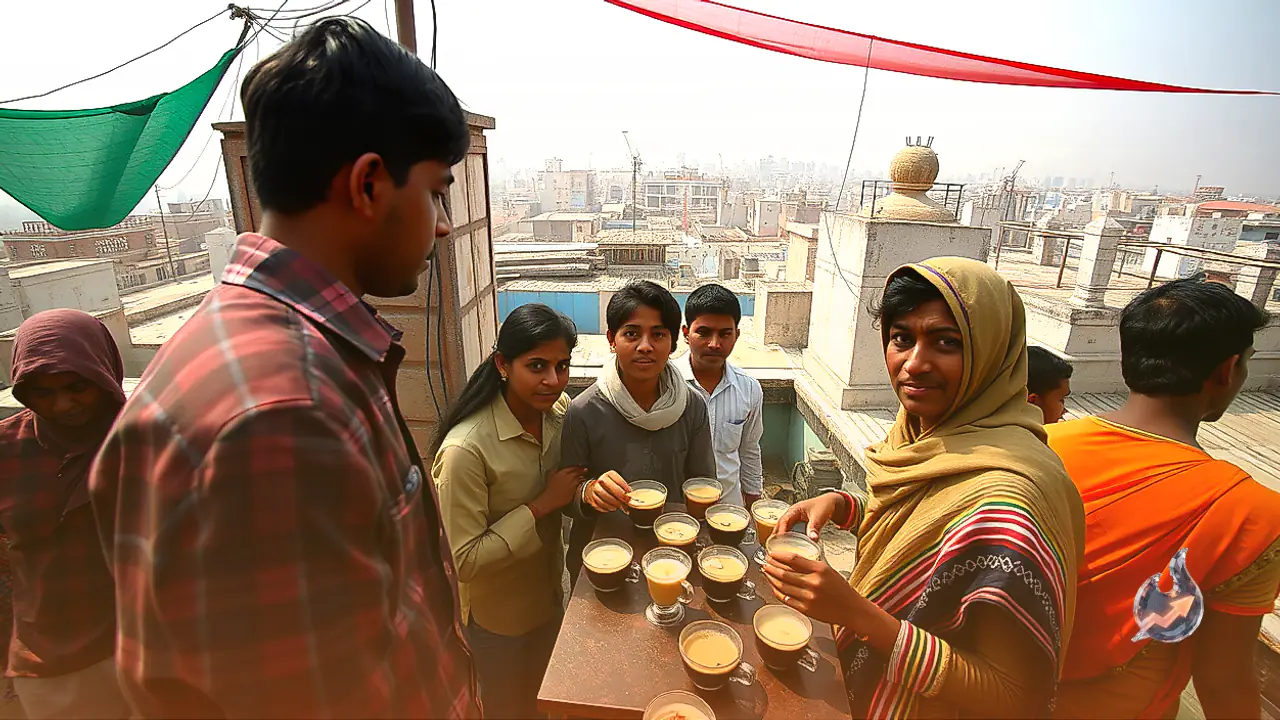







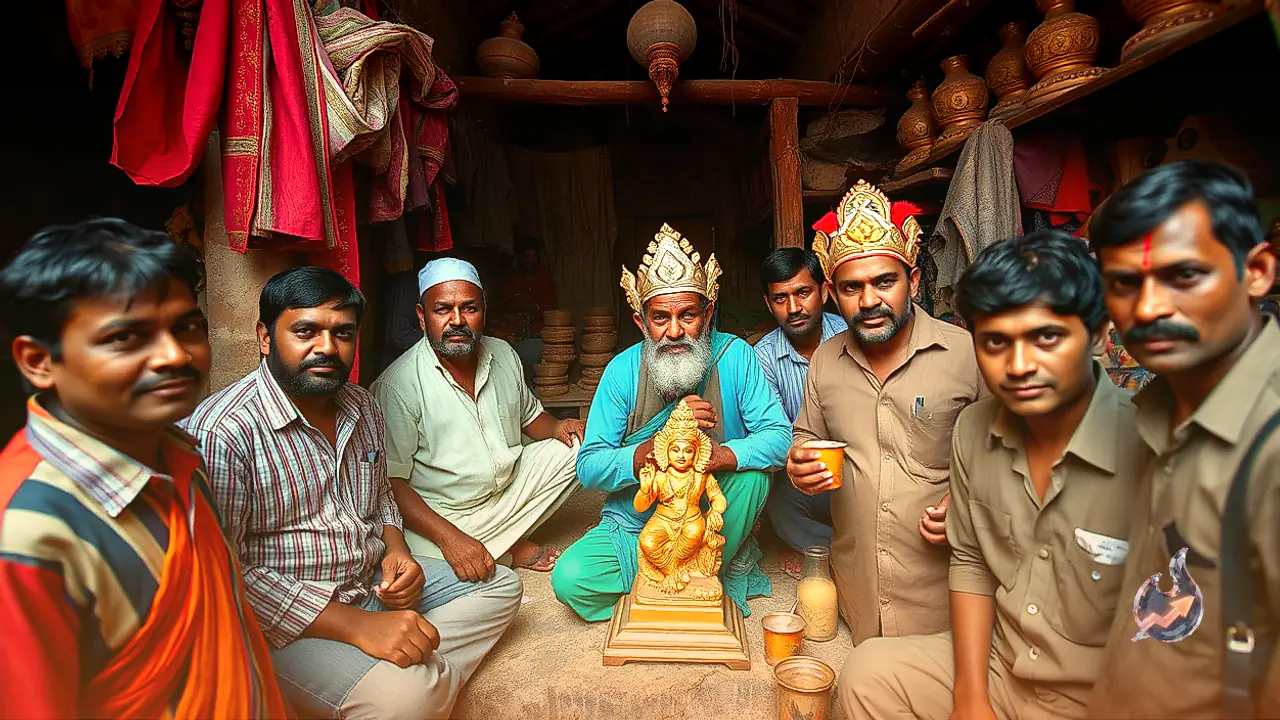
















During the grand festivities of Durga Puja across West Bengal, a distinct, vibrating sound echoes repeatedly through festival venues and household altars. Whether during the sacred evening prayer ceremonies of Goddess Durga, the joyful smearing of vermilion during Sindoor Khela, or the bittersweet immersion processions marking the deity's departure, women rapidly move their tongues to produce a unique, high-pitched acoustic expression. Known traditionally as ulu dhwani or uludhwani, this vocalization is deeply woven into Bengali cultural heritage, symbolizing boundless joy, auspicious beginnings, and enduring spiritual devotion.
The Art of Ululation and How Women Create the Resonating Sound
Uludhwani stands as one of Bengal's oldest living cultural customs, recognized globally under the linguistic and anthropological term ululation. To produce this distinct trill, women move the tongue rapidly from side to side against the palate and cheeks, projecting a sustained, wavering, and powerful acoustic tone. It is commonly performed in tight-knit groups, allowing their collective voices to create an ambient roar that fills entire neighborhoods and ritual pavilions. While most famously linked with West Bengal, similar traditions of vocal trilling exist under diverse regional names across several other Indian states, showcasing a shared thread of ritualistic celebration.
The Significance of the Vocal Trill in Sacred Durga Puja Rituals
Within the cultural framework of Bengal, uludhwani serves as an outward expression of uninhibited delight, blessed commencements, and deep ritual enthusiasm. Throughout Durga Puja, women trill during the ceremonial aarti, the sacred offering of light before the shrine, and across critical phases of religious observance. It is widely employed as a ritual welcome when the idol of the goddess is first consecrated into the pavilion, transforming formal ceremony into community celebration. Traditional folklore maintains that the sound carries protective spiritual properties, serving to deflect inauspicious energies and invoke holistic prosperity for the gathering, reflecting cherished socio-religious beliefs passed down through generations.
Marking Life's Milestones from Marriages to New Homes
The practice of uludhwani extends far beyond seasonal religious autumn festivities, playing a pivotal role in the personal rites of passage of Bengali households. Whenever an auspicious family milestone occurs, such as traditional wedding ceremonies, the birth of an infant, or housewarming rituals, women raise this sacred trill in unison. It functions as a time-tested cultural mechanism for declaring communal happiness, blessing newly married couples, and sealing critical turning points in personal life within a festive sonic environment.
Crafting Celebration Purely Through Voice Without Instruments
A striking quality of uludhwani is that it requires absolutely no musical accompaniment, drums, or specialized instruments. Women rely entirely on their own vocal resonance to transform an ordinary gathering into a charged celebratory environment. When multiple women raise their voices together, the collective resonance reinforces communal bonds, shared heritage, and feminine solidarity. It highlights an ancient cultural format where female participation forms the central sonic pillar of holy rites and social festivals.
Examining Mythological Associations and True Cultural Heritage
Various localized interpretations occasionally attempt to link the phonetics of uludhwani to specific deities or esoteric sacred mantras. In particular, popular claims asserting that different components of the vocal sound represent the sacred names of Radha and Krishna lack verifiable historical or textual documentation. Consequently, treating such interpretations as settled or standardized ritual doctrine is unsupported by verified records. The true essence of uludhwani resides in its unshakeable place within Bengal's living cultural identity and festive folklore. When combined with the thunderous rhythmic beat of the traditional dhaak drum and the resonant blowing of conch shells, the vocal trill of uludhwani produces the definitive, unforgettable sensory atmosphere of Durga Puja.