




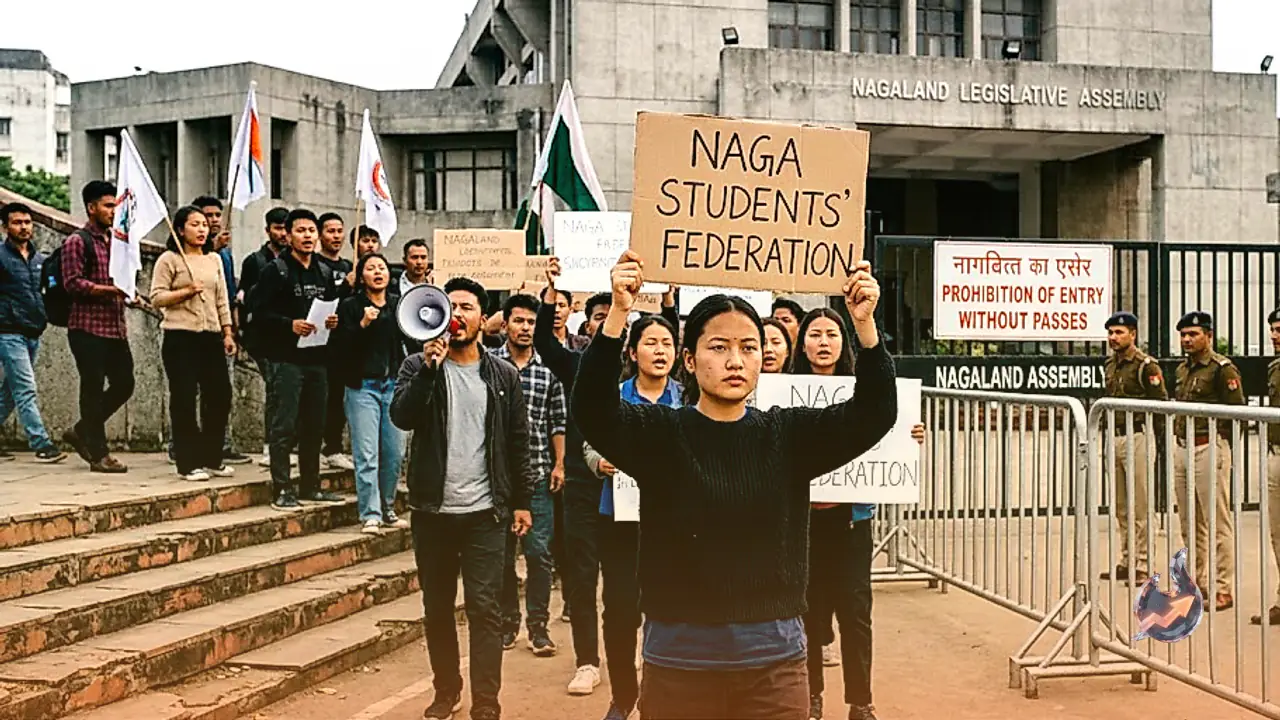















Tension has reached a peak in the national capital just ahead of the opening of the Parliament’s Monsoon Session. In a swift move, security agencies and the Delhi Police relocated prominent environmentalist and activist Sonam Wangchuk from his demonstration site at Jantar Mantar to Safdarjung Hospital. Government sources indicated that the decision to clear the protest site was driven by security apprehensions ahead of the legislative session commencing on Monday, with authorities fearing a potential breach of peace near the high-security Parliament zone. This intervention has further energized the ongoing student protests demanding the resignation of Union Education Minister Dharmendra Pradhan over alleged irregularities and paper leaks in the NEET entrance exam.
Heightened Security and the Planned Parliament March
Delhi Police and central security forces are taking no chances ahead of the 'Chalo Sansad' march organized by the Cockroach Janta Party (CJP). Anticipating large crowds of student demonstrators heading towards Parliament House, police personnel have set up robust barricades at all key border crossings and entry points to the New Delhi district. Vehicle inspections have been intensified, and patrolling has been stepped up to prevent any untoward incidents.
The DCP of New Delhi confirmed that prohibitory orders under Section 163 of the Bharatiya Nagarik Suraksha Sanhita (BNSS) are currently active in the area, strictly banning the assembly of five or more individuals. While the police department asserted that no official permission had been sought or granted for the protest rally, CJP founder Abhijit Dipke has exhorted supporters to arrive in Delhi in large numbers, setting up a potential face-off with law enforcement agencies on Monday morning.
Medical Status and Treatment Refusal at Safdarjung Hospital
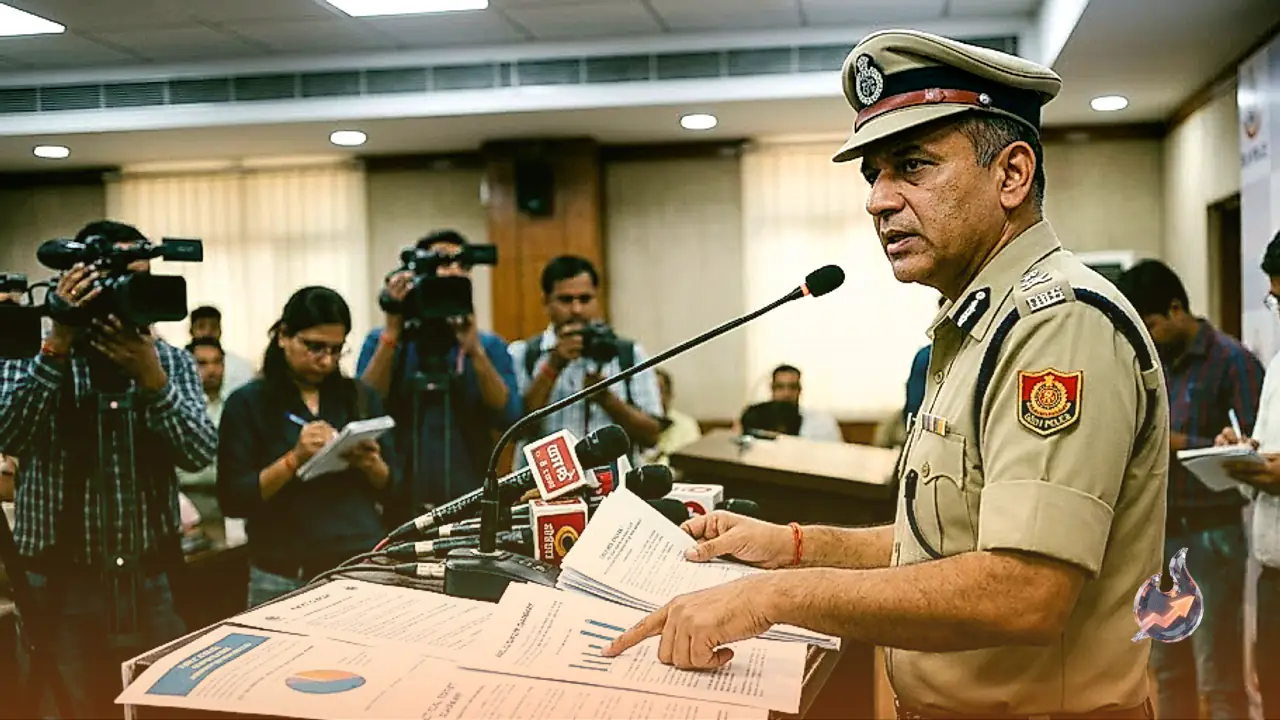
Sonam Wangchuk, whose indefinite fast entered its 21st day before he was moved, is currently being observed by a team of medical specialists. Dr. Charu Bamba, the medical superintendent at Safdarjung Hospital, briefed the media, stating that while Wangchuk is conscious and his primary parameters like pulse, blood pressure, and oxygen levels are stable, his prolonged fast has led to severe dehydration. She warned that continuing the fast without medical intervention poses a high risk of systemic complications.
Doctors have strongly advised administering intravenous (IV) fluids and electrolyte replenishment to stabilize his blood chemistry. However, both Wangchuk and his immediate family have declined to consent to these clinical interventions. Dr. Suranjit Chatterjee, a senior consultant at Indraprastha Apollo Hospital, noted that the laboratory findings point towards compensated metabolic acidosis, a condition that could deteriorate rapidly if nutrition and fluid support are not initiated immediately.
High Court Ruling and Family’s Lack of Trust in Government Facilities
Seeking to move Sonam Wangchuk to a private medical facility, his wife Geetanjali J. Angmo moved an emergency petition before the Delhi High Court, citing a lack of confidence in the state-run Safdarjung Hospital. She argued that as a citizen of a democratic nation, Wangchuk should have the liberty to choose his medical care, specifically requesting a transfer to Medanta Hospital. The High Court, however, declined to issue such an order, stating that the patient is free to cooperate with the attending government doctors if he wishes, while Additional Solicitor General Sharma assured the court that the activist is receiving standard care under expert supervision.
Following the court's proceedings, Geetanjali Angmo voiced her dissatisfaction to reporters, alleging that the hospital has been turned into a virtual detention center. She described how plainclothes security officials have seized Wangchuk’s personal communication devices, including his tablet, and restricted visits from his personal physician. She also questioned why a sample requested to verify his low potassium reading of 2.9 took over ten hours to process, suggesting a lack of transparency in the administration's actions.
Cross-Party Reactions and Accusations of Authoritarianism
The administrative action has drawn sharp criticism and diverse opinions from across the political spectrum. Defending the government, Union Minister Ramdas Athawale asserted that there is no logical ground for Dharmendra Pradhan’s resignation, as those involved in the paper leaks are already facing strict legal consequences. He urged Wangchuk to call off his fast, promising that the administration is taking structural steps to prevent such leaks in the future.
Conversely, regional and national opposition leaders have thrown their weight behind the protesting students. Biju Janata Dal President and former Odisha Chief Minister Naveen Patnaik urged that the paper leak issue be placed at the top of the parliamentary agenda, noting that compromising the integrity of public examinations directly jeopardizes the country's demographic dividend. Uddhav Thackeray of the Shiv Sena (UBT) criticized the central administration for being unresponsive to public grievances, stating that a broader struggle is necessary to hold the government accountable. Senior Congress leader Sachin Pilot and Maharashtra MLA Nana Patole termed the police action against Wangchuk as undemocratic, adding that forcing a peaceful hunger striker into a hospital ward undermines fundamental constitutional rights.
On the other hand, Lok Janshakti Party (Ram Vilas) chief Chirag Paswan claimed that opposition parties, having lost their own political footing, are now using Sonam Wangchuk as a convenient political shield while showing little genuine concern for his deteriorating physical health.
National Mobilization and Student Resolve
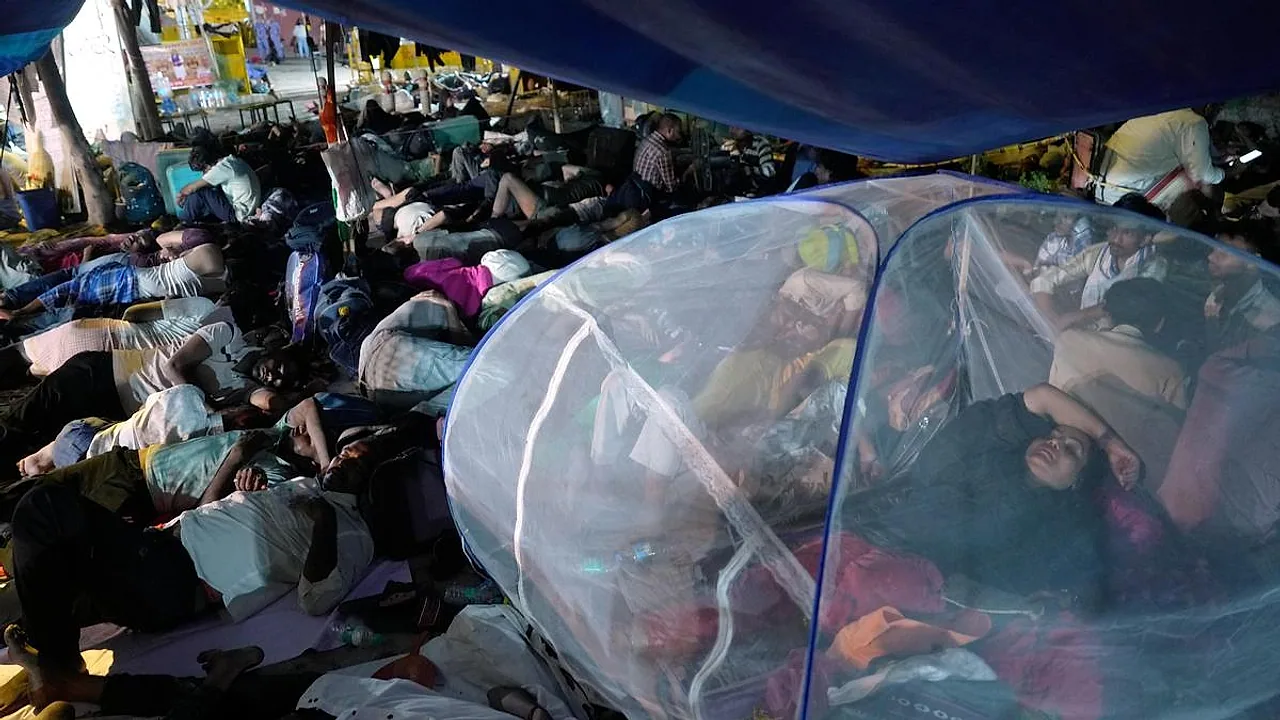
Despite the physical absence of Sonam Wangchuk at Jantar Mantar, the momentum of the protest remains intact. At least 21 other protesters continue their indefinite hunger strike at the venue. Among them, three PhD scholars from the All India Students Association (AISA)—Neha, Amin Amitoz, and Manish Kumar—have remained steadfast. Former AISA President N. Sai Balaji reported that supporters had to form a protective human shield around these students to prevent local police from removing them from the protest site.
The agitation has also gained ground in other parts of the country. In Bengaluru, over a thousand citizens gathered at Freedom Park, holding posters criticizing public apathy and demanding accountability for the NEET-UG paper leaks. In Tripura, the CPI(M) has announced state-wide solidarity rallies to coincide with the Parliament march. Former Delhi Education Minister Manish Sisodia visited Jantar Mantar to encourage the students, labeling them the vanguard of a new educational revolution, while AAP Rajya Sabha MP Sanjay Singh submitted a suspension of business notice under Rule 267 to force a discussion on the exam leaks and Wangchuk's health in the upper house.
A Call for the 'Second Independence Movement'
From his hospital room, Sonam Wangchuk managed to convey a handwritten letter to his supporters through his wife. In the message, he described the upcoming Parliament march as the beginning of India’s 'Second Independence Movement,' framing the battle as a quest for 'freedom from injustice' and 'freedom from fear.' Geetanjali Angmo has confirmed that she will lead the demonstration on Monday on behalf of her husband, emphasizing that peaceful and disciplined agitation is the only path left to secure the academic future of the nation’s youth.
In anticipation of heavy traffic congestion due to the march, the Delhi Traffic Police has issued an advisory, warning commuters to avoid arterial roads including Rafi Marg, Motilal Nehru Marg, and Maulana Azad Road, and advising the public to plan alternative routes around central Delhi’s major roundabouts.