


















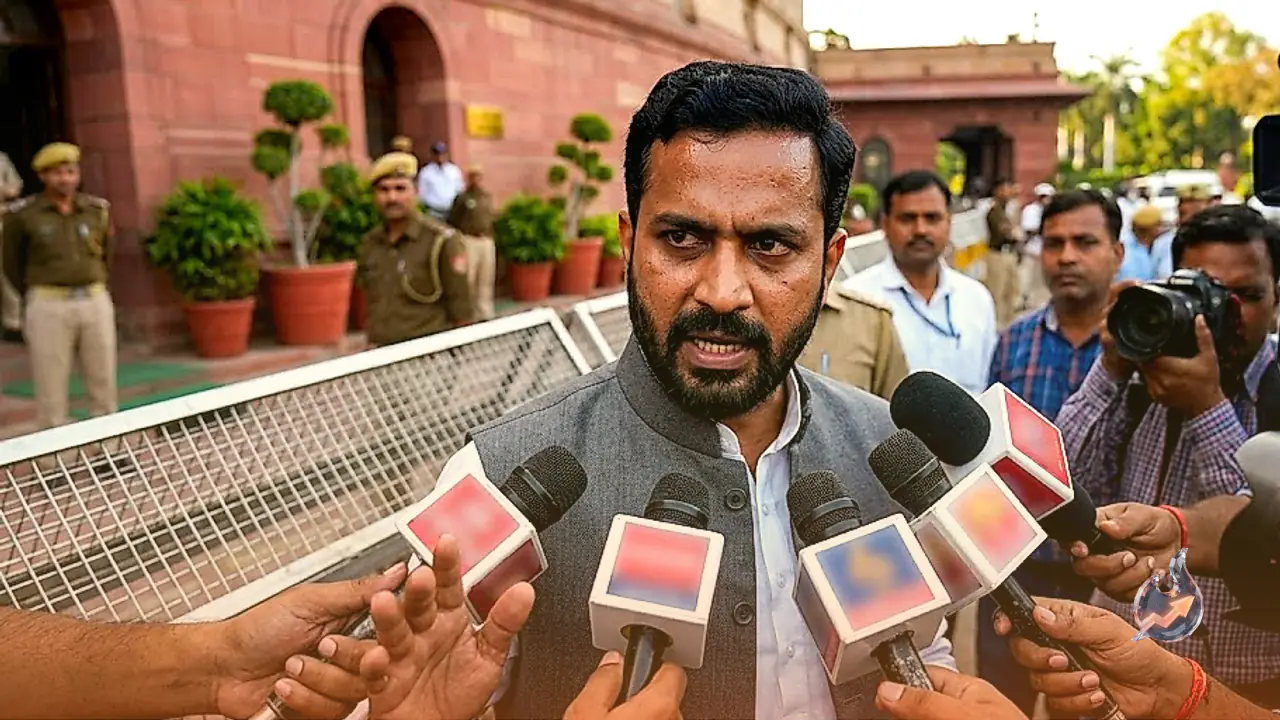

Abhijeet Dipke, the founder of the Cockroach Janata Party (CJP), has found himself embroiled in a major controversy following a highly provocative social media post. Using his profile on the microblogging platform X, Dipke shared a mock resignation letter wherein he represented himself as the Chief Minister of Madhya Pradesh. While the stunt was intended as a sharp satirical critique of the state administration led by Chief Minister Mohan Yadav, it has backfired significantly. A large section of social media users has reacted with outrage, demanding immediate legal action against him for fabricating an official state document.
The Mechanics and Content of the Mock Resignation Letter
On September 13, 2026, Abhijeet Dipke posted an image of a letter designed to look indistinguishable from the official letterhead used by the Madhya Pradesh Chief Minister's office. In the text, written in English, he mockingly announced his immediate resignation from the state's highest executive office. Addressing Prime Minister Narendra Modi, he sarcastically expressed gratitude for being given the opportunity to govern, while adding that he had clearly failed to serve the people effectively. By mimicking the layout and official design of a government document, Dipke attempted to create a highly stylized form of political protest, which immediately drew intense public scrutiny.
The Confrontation and Backlash During His Balaghat Visit
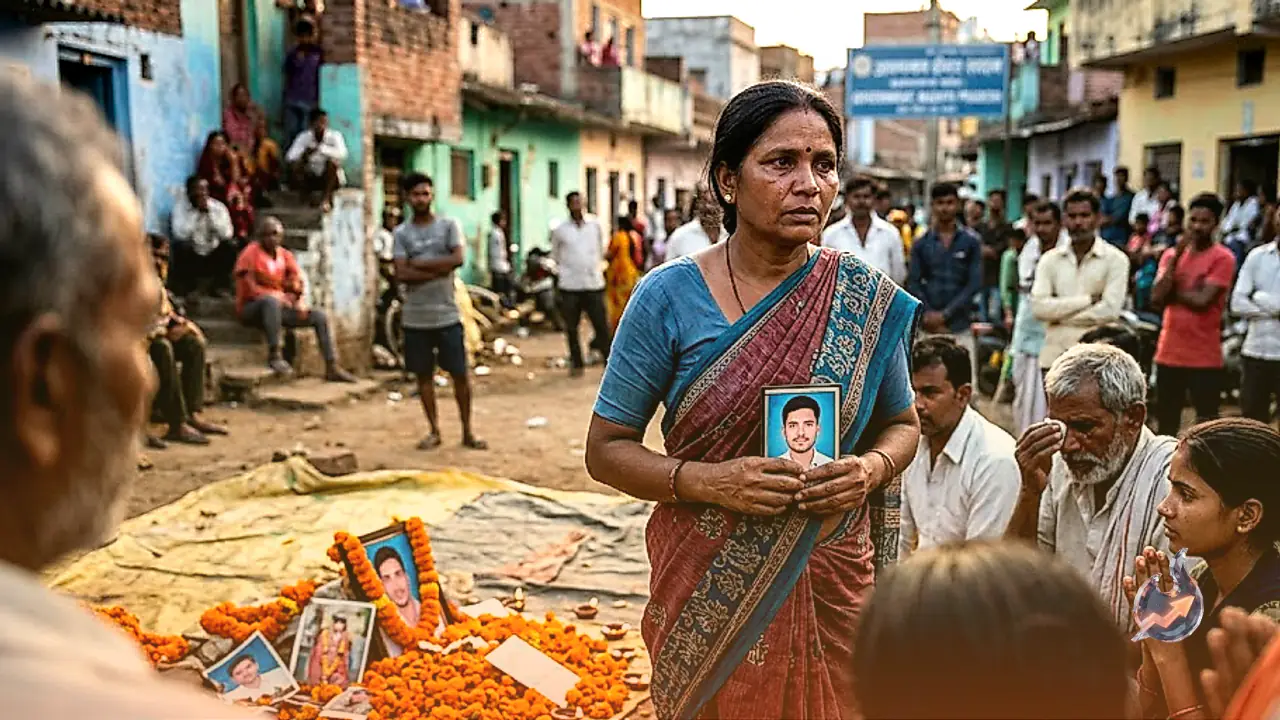
The immediate catalyst for this controversial online post was Dipke's recent visit to the Balaghat region of Madhya Pradesh. He had traveled there to meet the families of tribal children who had tragically passed away. However, his presence was not well received by all locals. A video circulated widely on social media showing resident women confronting Dipke with intense questions. One woman sharply asked why he had arrived so late, accusing him of merely trying to play politics over the deaths of children. Although Dipke apologized for his delayed arrival, the situation grew tense, prompting his CJP colleagues to quickly escort him into an awaiting vehicle to leave the area. Following this real-world confrontation, Dipke took to social media to publish his mock resignation.
Highlighting Issues in Sagar and Balaghat
In the text of his symbolic resignation letter, Dipke deliberately highlighted critical administrative failures to pressure the state government. He explicitly referenced the tragic deaths of the tribal children in Balaghat as well as the notorious illicit liquor tragedy in Sagar. Both incidents have previously generated significant political friction in the state, raising questions about public health, policing, and local governance. By weaving these real tragedies into his mock letter, Dipke sought to build a narrative of systemic failure against the Mohan Yadav administration. However, his choice of medium has now shifted the public conversation from the governance failures to his own questionable methods of protest.
The Legal Debate Over the Use of Official Emblems
The publication of the fake letterhead has polarized opinions across digital platforms. His supporters have defended the post as a brilliant piece of political satire aimed at highlighting official apathy. Conversely, detractors argue that using state symbols and fabricating ministerial letters crosses a dangerous legal threshold. Many internet users are calling on law enforcement to register a case against Dipke. A user named Ratan Dhillon questioned how anyone could be allowed to impersonate a chief minister using national emblems without facing legal consequences. Dhillon argued that if an individual impersonating a police officer is immediately arrested, then someone mimicking the head of a state government should face similar scrutiny. The incident has raised serious questions about the legal boundaries of political satire in the digital age.