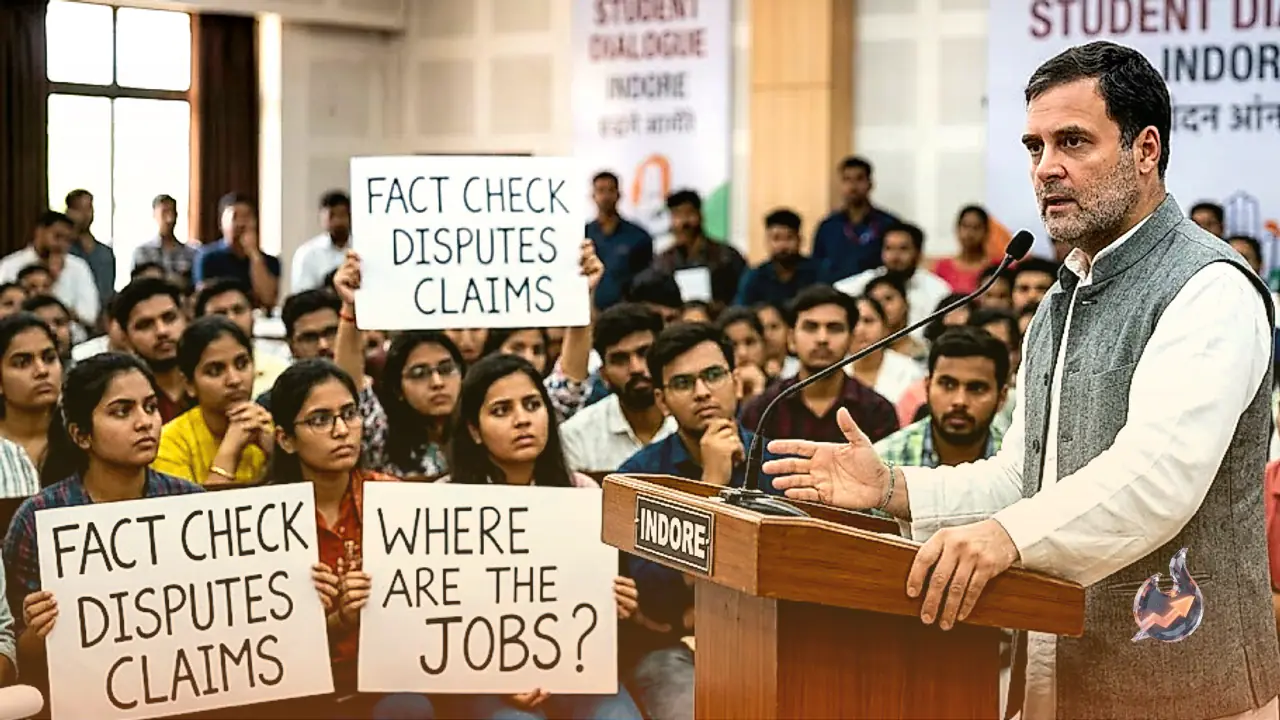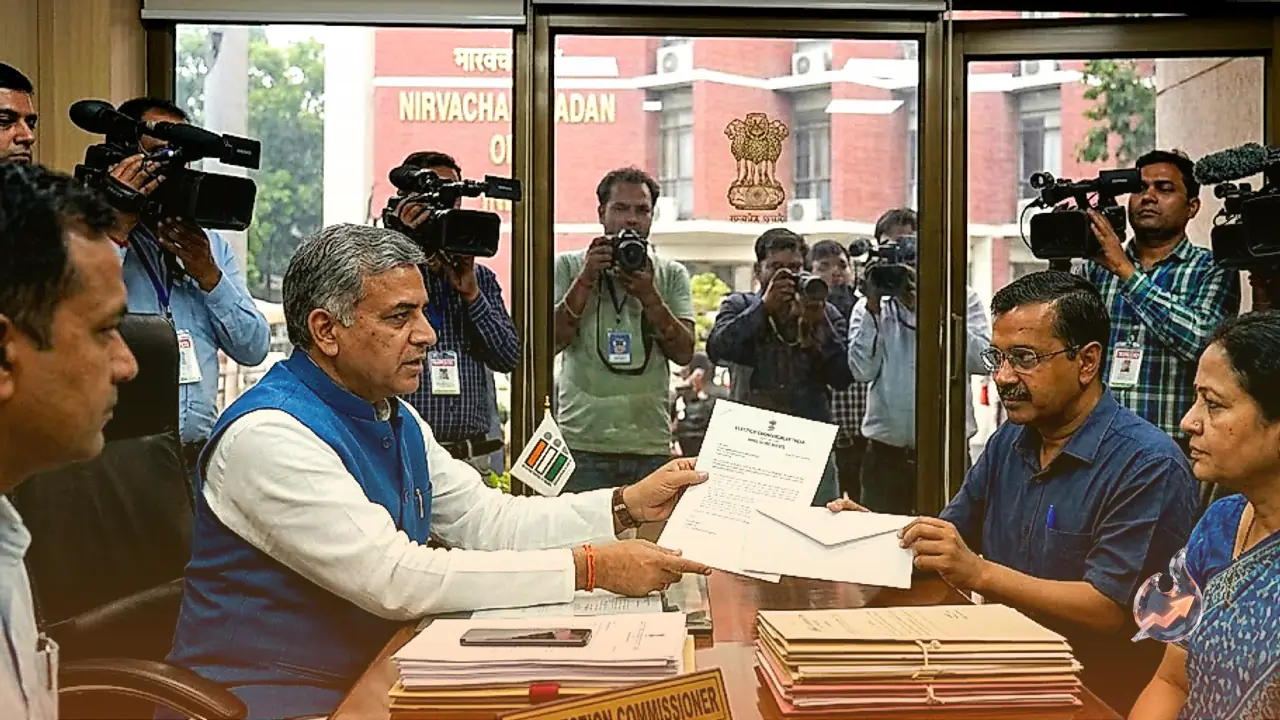






















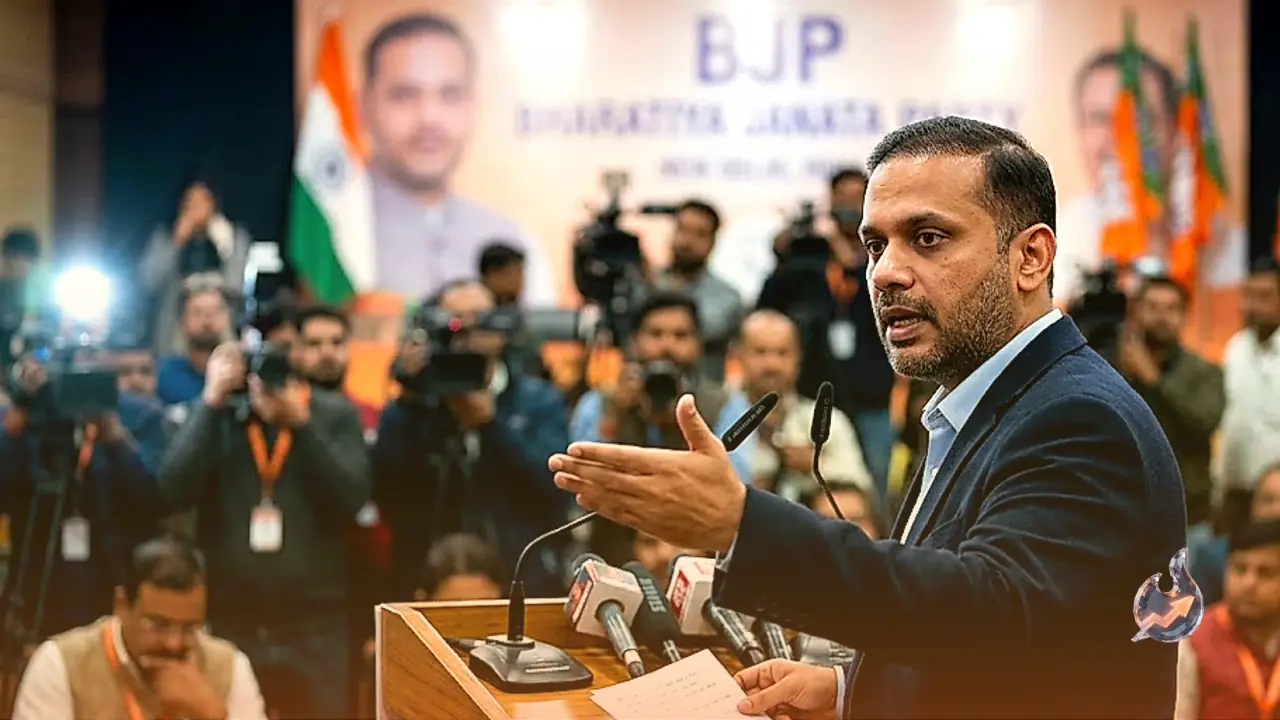

A major political controversy has erupted over India's ethanol blending program following a series of public exchanges on social media. Amit Malviya, the head of the Bharatiya Janata Party (BJP) IT cell, released multiple detailed posts on X to refute claims made by Aam Aadmi Party (AAP) national convener Arvind Kejriwal. Kejriwal had raised sharp questions regarding the government's plans for ethanol blending in petrol, the alleged introduction of ethanol in aviation fuel, and vehicle performance observations referenced in reports by the Society of Indian Automobile Manufacturers (SIAM).
Rejection of Claims on Scaling Ethanol Blending Beyond 50 Percent
The debate flared up after Arvind Kejriwal alleged that following the introduction of E20 fuel, which contains 20 percent ethanol blended with petrol, the central government is secretly preparing to push ethanol blending levels past 50 percent. Citing potential mechanical risks to vehicles, Kejriwal publicly advised citizens to hold off on buying new petrol and diesel automobiles for the time being. He further accused the central administration of suppressing technical findings and scientific concerns regarding E20 petrol quality.
Countering these allegations directly, Amit Malviya categorized Kejriwal's statements as fake news and clarified that the Government of India has taken no decision whatsoever to increase ethanol blending beyond the established E20 target. Malviya explained that any future consideration to alter fuel blending ratios requires a mandatory process involving in-depth scientific research, rigorous technical testing, and extensive consultations with key industry players, including vehicle manufacturers, oil marketing companies, and standardizing bodies.
Elaborating on the national roadmap, Malviya pointed out that India's ethanol blending program has been systematically rolled out over more than two decades across gradual, well-defined phases. The rollout of E20 fuel was itself authorized only after multi-stage testing and comprehensive stakeholder consensus. Malviya added that all ethanol-blended petrol currently retailed across the nation adheres strictly to the quality benchmarks set by the Bureau of Indian Standards (BIS) and undergoes multi-tiered quality verification before reaching consumers at fuel stations.
Clarification on Aviation Turbine Fuel and Sustainable Aviation Fuel
Addressing another specific allegation made by Arvind Kejriwal, where the AAP national convener claimed that the government plans to mix ordinary ethanol into Aviation Turbine Fuel (ATF) and warned that aviation experts view this as a threat to flight safety, Amit Malviya completely dismissed the premise of the statement.
Malviya stated that the government has never announced or planned the addition of standard ethanol into conventional ATF jet fuel. He explained that the framework notified by the government actually governs Sustainable Aviation Fuel (SAF), which is fundamentally different from commercial ethanol. SAF is an advanced, high-grade aviation fuel produced through complex processing technologies. Chemically, Sustainable Aviation Fuel matches conventional ATF, ensuring full compatibility with existing jet engines without compromising flight safety protocols.