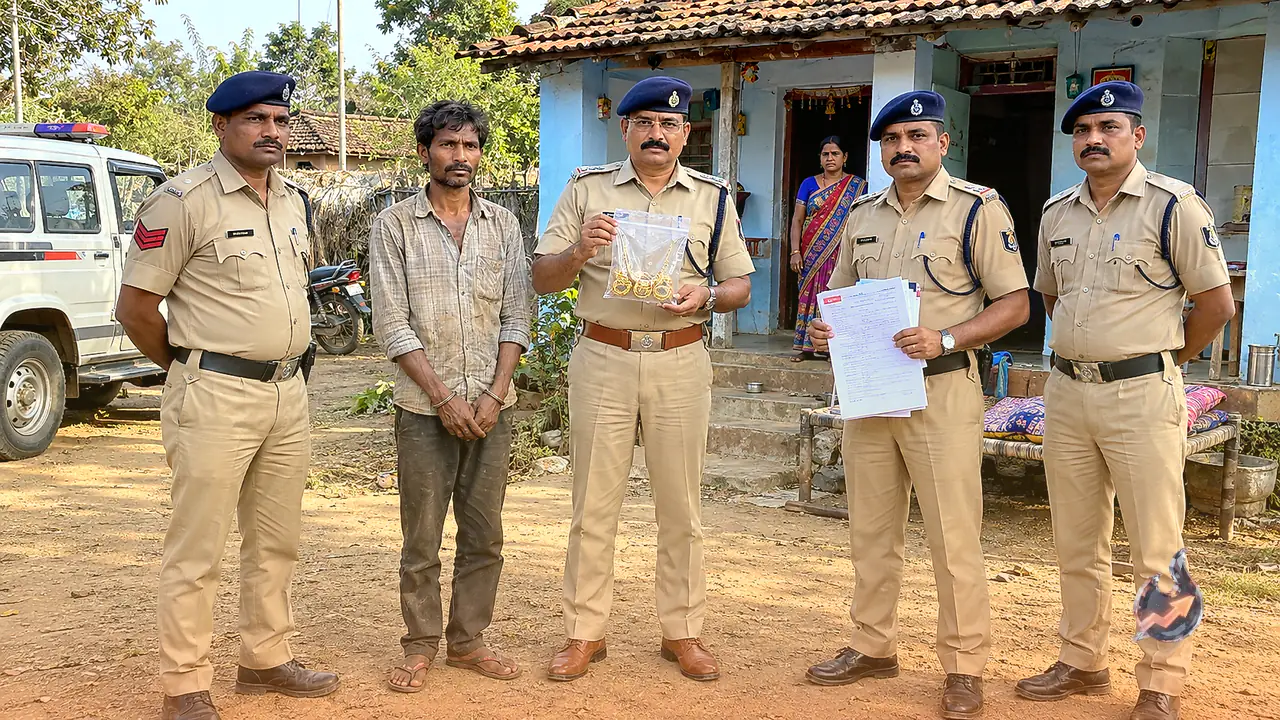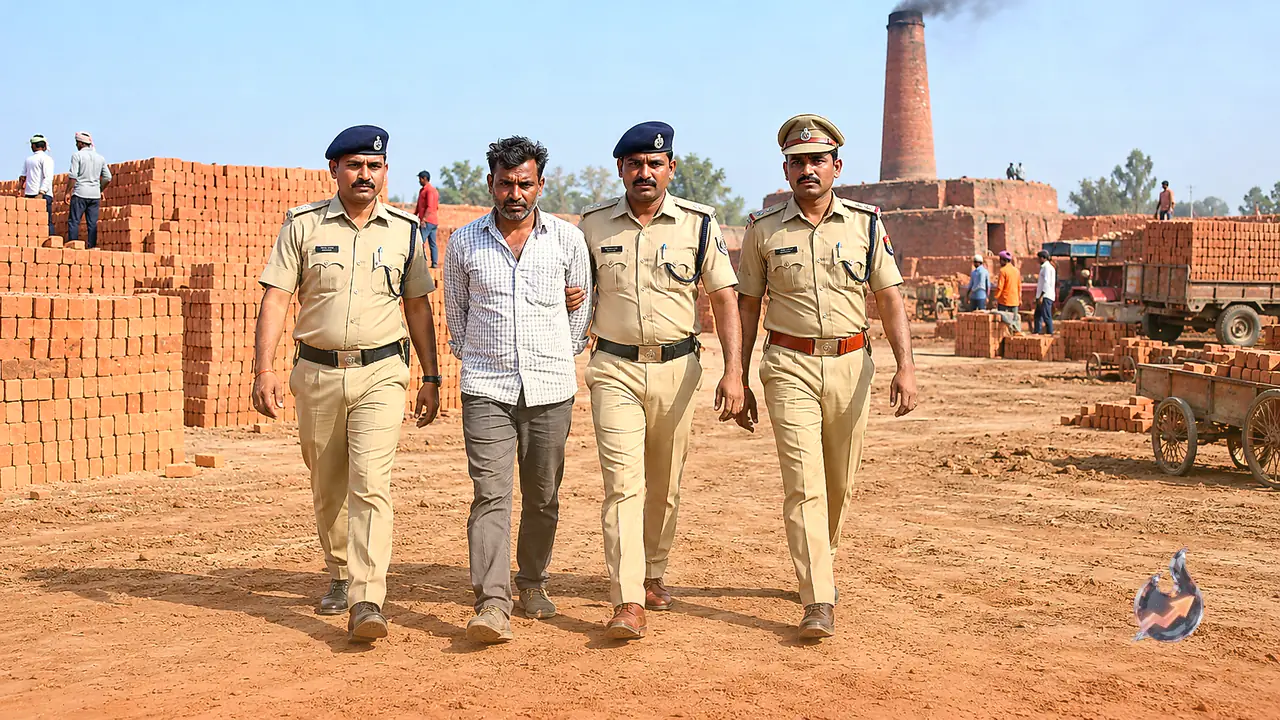


















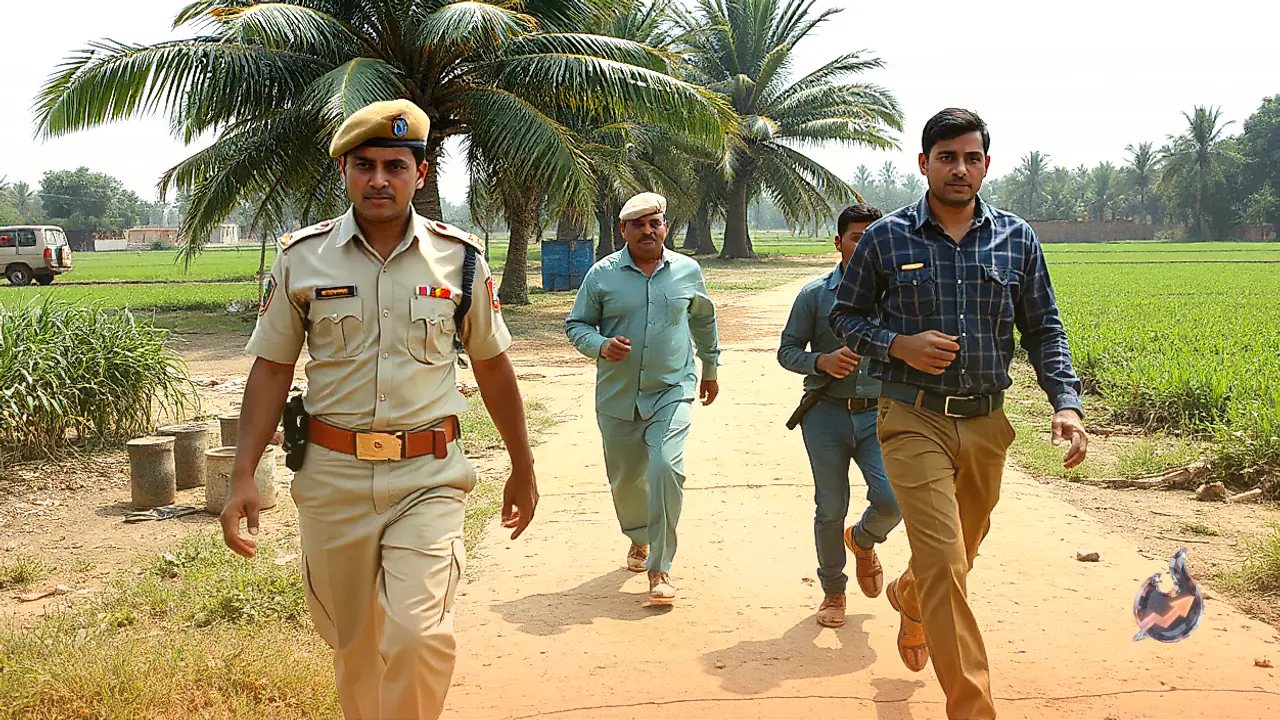

A hazardous synthetic milk manufacturing racket was uncovered in the Mandsaur district of Madhya Pradesh, where hazardous chemicals and agricultural fertilizers were being blended into artificial milk inside a secluded residential structure. Acting on confidential intelligence, the Shamgarh police team carried out a sudden raid at a house located in Dungarkhedi village. While law enforcement authorities managed to seize machinery, chemical ingredients, and packaging materials from the spot, the two brothers orchestrating the illegal enterprise managed to slip away just before the police contingent arrived.
Isolated Village Property Converted into Manufacturing Hub
The operation was functioning from a house situated at a deliberate distance from the main inhabited settlement of Dungarkhedi village to prevent neighbors from detecting the illicit activity. Investigators identified the operators as two brothers, Krishnapal Singh and Shivraj Singh, who had turned the isolated property into a dedicated mixing center. When the team from Shamgarh police station entered the premises, they uncovered a fully functional production setup. A thorough search of the rooms resulted in the recovery of approximately 10 liters of finished synthetic milk, along with bags of agricultural urea fertilizer, palm oil, hydrogenated vegetable oil, chemical powder, and specialized processing tools used to simulate natural milk texture and fat content.
Large Cache of Chemicals, Edible Oils, and Machinery Seized
The inventory confiscated during the raid shows that the suspects were operating on an industrial scale. Officers seized an electric mixing machine, an integrated mixer plus cooling unit, oil tins branded by Paras, seven 25-kilogram sacks filled with white powder, 10 empty storage containers, and five separate 15-liter cans containing vegetable oil. The mixing and chilling apparatus was used to emulsify vegetable oils, chemical powders, and dissolved urea in water, yielding an opaque white fluid that closely mirrored the appearance, froth, and thickness of standard dairy milk.
Festival Plan to Distribute 10,000 Liters Thwarted
Initial findings indicate that the two brothers had already distributed more than 1,000 liters of this synthetic liquid into the commercial supply chain. Their usual method involved blending the artificial concoction directly with genuine dairy milk, diluting the authentic supply while making detection difficult for retail buyers and small collection points. With major upcoming festivals driving up dairy and sweets consumption across the region, the brothers intended to scale their volume dramatically. The investigation established that they were actively preparing to produce and push nearly 10,000 liters of synthetic milk into local markets to maximize illicit profits during the peak shopping window.
Food Safety Officials Collect Evidence for Laboratory Testing
Following the raid, police alerted the local food safety administration. An inspection team from the food department arrived at the Dungarkhedi house approximately one hour later to initiate regulatory protocols. Officials drafted the spot seizure memo and secured representative samples from the containers of liquids, powders, and oils for forensic examination. Shamgarh Police Station in-charge Kapil Saurashtriya stated that while the suspicious liquid and blending agents have been confiscated and legal steps initiated, both suspects remain at large with efforts ongoing to arrest them. He added that official confirmation regarding the exact percentage of urea and the precise nature of the chemical additives will depend on the certified laboratory report of the collected food samples.
Severe food adulteration has been recorded in the state in earlier instances as well. In a previous enforcement drive in Gwalior, authorities uncovered an operation where fennel seeds were coated with building cement and chemical compounds to manufacture counterfeit cumin seeds, leading to the seizure of 46 sacks of the adulterated product.