




















Residents of Mumbai are facing another blow to their household and travel budgets as fuel rates experience a fresh upward revision. Mahanagar Gas Limited has announced an increase of two rupees per kilogram in the retail price of Compressed Natural Gas, bringing the new rate to 88 rupees per kilogram effective from September 1. Alongside this, the price of domestic piped natural gas has also been raised by one rupee per SCM. The company attributed this latest price hike to the rising cost of gas generation driven by ongoing tensions in the Middle East, coupled with an increasing reliance on expensive imported spot RLNG to meet the surging domestic demand for CNG.
Impact on Nearly Twelve Lakh Vehicles
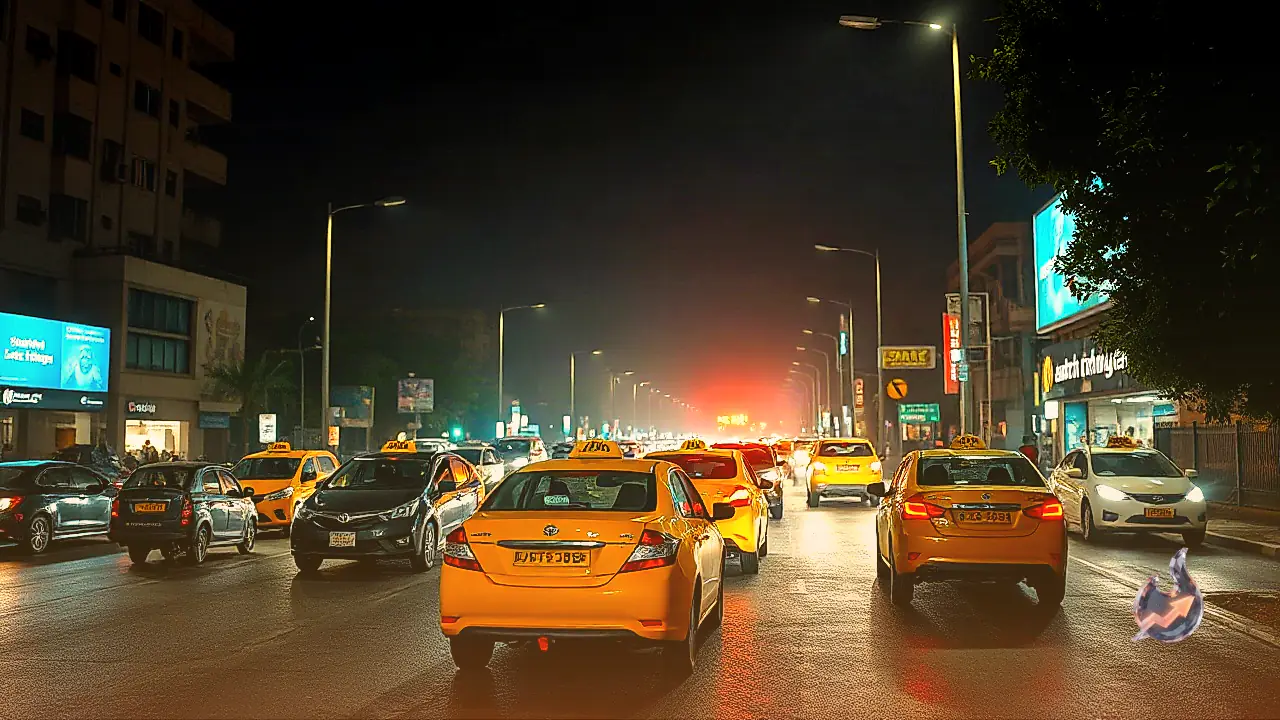
With the revision, CNG across Mumbai, Thane, Navi Mumbai, and other parts of the Mumbai Metropolitan Region will now cost 88 rupees per kilogram. A vast network of public and private transport relies on this fuel source in the financial hub. The price increase directly impacts approximately twelve lakh CNG-driven vehicles operating in the region, which includes roughly 2.80 lakh auto rickshaws alongside numerous cabs and private cars. The higher fuel expenditure has significantly compounded the operational challenges and financial hardships faced by auto and taxi operators.
Previous Price Revisions by MGL
This latest revision follows an earlier price hike implemented by Mahanagar Gas Limited on May 30, when the company raised CNG prices by two rupees per kilogram, pushing the rate to 86 rupees per kilogram at the time. The recurrent upward adjustments in fuel costs have added cumulative financial stress on commuters and transport operators who depend heavily on gas infrastructure for their daily livelihood and movement.
Wide Operational Reach and Rising Pressures
At present, Mahanagar Gas Limited supplies compressed natural gas across an extensive footprint covering Mumbai, Thane, Navi Mumbai, Kalyan, Raigad, Ratnagiri, Chitradurga, Davanagere, Latur, and Osmanabad. The continuous rise in rates inflates the operational expenses of private vehicle owners, taxi fleets, and public transportation networks operating across these regions. Fuel expenses are rapidly transforming into a major financial concern for everyday vehicle users in Mumbai as running costs continue to mount.
Growing Burden on Public Transport
The relentless escalation in CNG rates is shrinking profit margins for commercial drivers who depend on daily trips to earn a living. The direct rise in operational overheads leaves taxi, cab, and auto drivers with reduced take-home earnings, while private vehicle owners must allocate a larger share of their monthly income toward fuel. This growing cost burden mirrors broader energy trends seen elsewhere in the country, including the national capital where CNG prices also saw significant hikes recently.