





















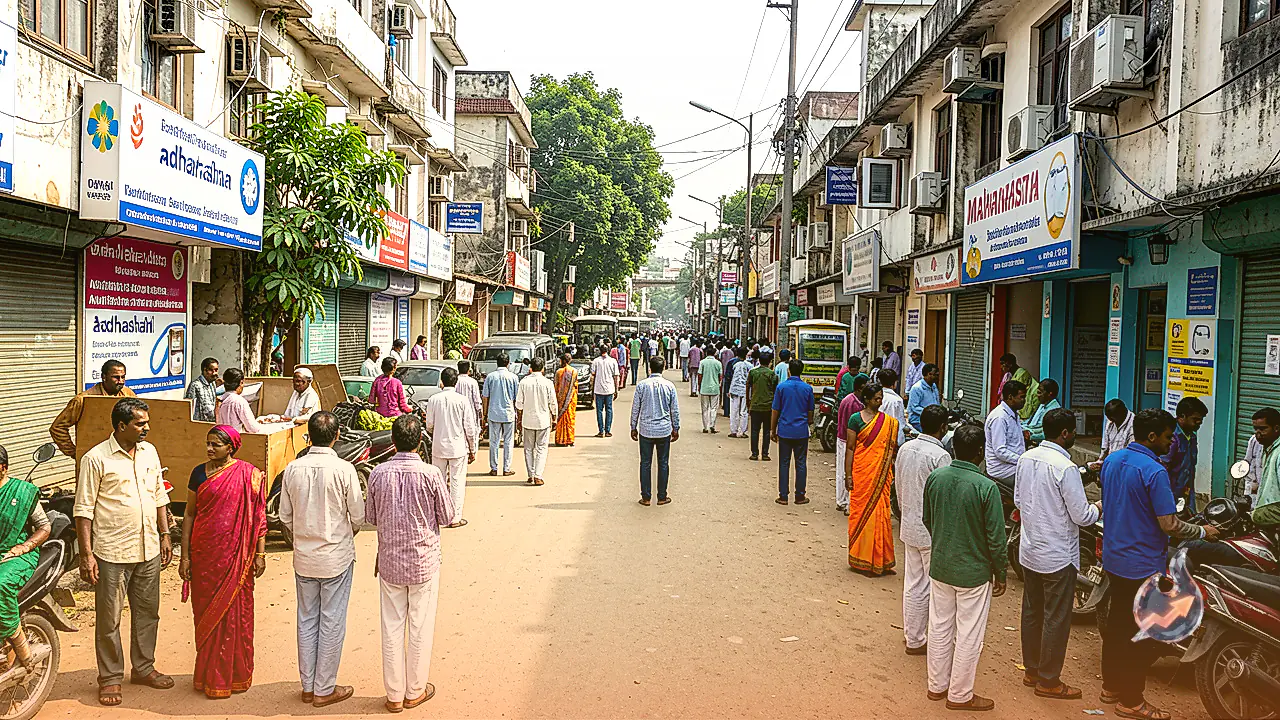

In a decisive move to curb fraudulent real estate transactions and eliminate benami property deals, the Maharashtra administration has restructured its document registration protocol. Starting October 1, Aadhaar authentication has been made mandatory for registering immovable property records across all sub-registrar offices in the state. According to directives issued by the revenue department, this rule applies across 63 specific categories of registry documentation, establishing strict biometric and digital identity verification before any title or deed can be officially logged.
Targeting Benami Deals and Land Mafias
The measure is designed to eliminate common fraudulent practices where land mafias and touts sell land parcels or residential apartments using forged identities, counterfeit credentials, and deceptive witnesses. Acting upon directions from Chief Minister Devendra Fadnavis, the revenue department finalized the regulatory overhaul to build consumer confidence and establish absolute transparency across property dealings. To confer statutory authority upon the new protocol, the state government has officially notified the mandate in the state gazette.
Comprehensive Coverage of 63 Document Categories
The revised compliance parameters encompass nearly every significant transaction involving real estate, partitioning, or legal encumbrances. The central highlights of this regulatory mandate include
- Purchase and Sale Instruments: Absolute identity checks are now compulsory for buyers, sellers, and executants handling direct transfers of plots, flats, and commercial properties.
- Mortgages and Financial Pledges: Collateral documentation, loan mortgages, and deeds hypothecating immovable assets with financial institutions require verified authentication.
- Partition and Family Settlements: Legal partition deeds detailing the division of ancestral or joint family holdings must satisfy verification standards across all participating parties.
- Sub-Registrar Directives: Registration officials throughout Maharashtra have been instructed to halt the progression of registry filings until systematic identity verification is completed.
Clarifying the operational mechanics of the order, Revenue Minister Chandrashekhar Bawankule noted that real estate documentation falls under the registration and stamps department within the revenue administration. “Now fraud involving bogus witnesses and bogus parties will come to an end,” Bawankule stated. He affirmed that introducing direct identity checks will substantially minimize human discretion, halt deceitful transfers, and build an efficient, citizen-friendly registry network.
Alternative Protocols for Individuals Without Aadhaar
The government has outlined structured contingency measures to ensure legitimate property owners lacking an Aadhaar number face no administrative deadlock. Under these guidelines, parties must submit documented proof of an ongoing Aadhaar enrollment application alongside other government-approved identity proofs.
According to departmental officials, individuals presenting alternative documentation must also provide documented evidence establishing their relationship with the primary parties involved in the transaction. Registration officials will finalize and execute the transaction only after verifying the credibility of the submitted documents and cross-checking personal identification records against official databases.
Special Exemptions for Minors and Beneficiaries
Specific guidelines have also been incorporated within the gazette notification to safeguard the rights of individuals under 18 years of age and specific protected categories. For minors, Aadhaar enrollment applications can be initiated with the formal consent of their parents or legal guardians. The administration has explicitly ruled that no child or rightful beneficiary will be denied the legal benefits of property deed registration solely due to the absence of an Aadhaar credential. Through this balanced mechanism, the revenue department aims to tighten identity validation, eliminate impersonation risks, and guarantee structural security across property registries in Maharashtra.