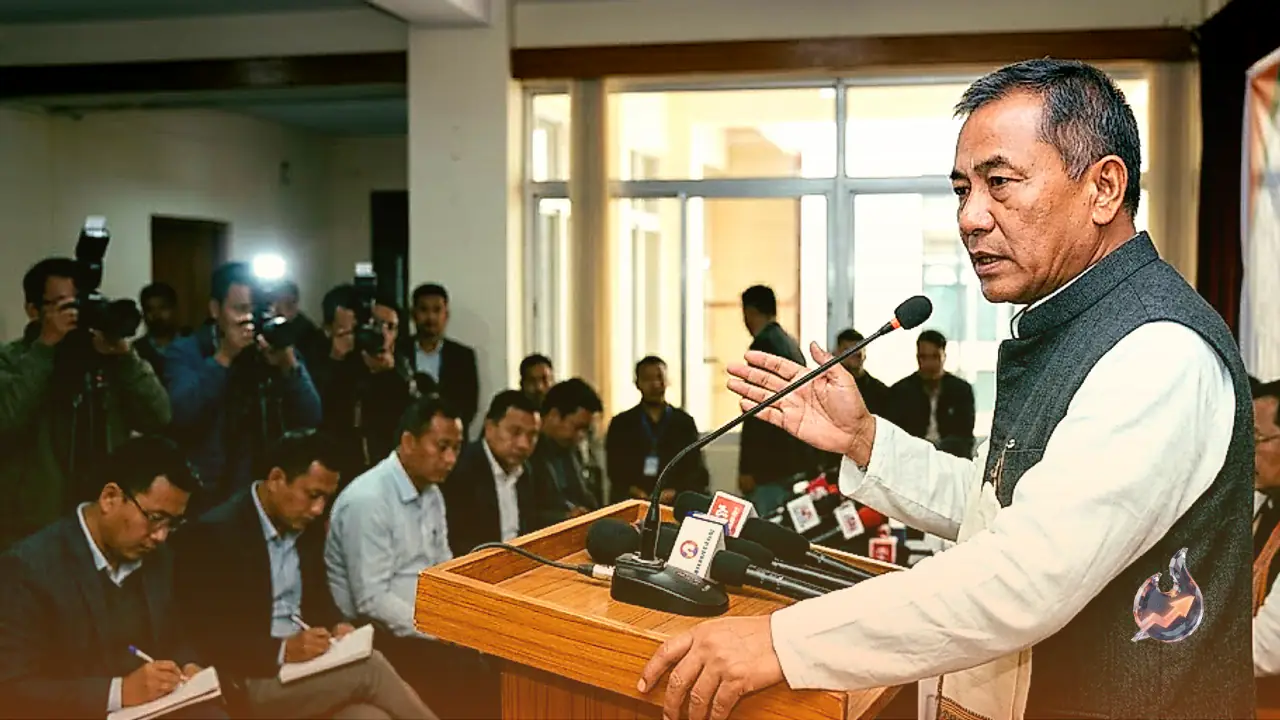




















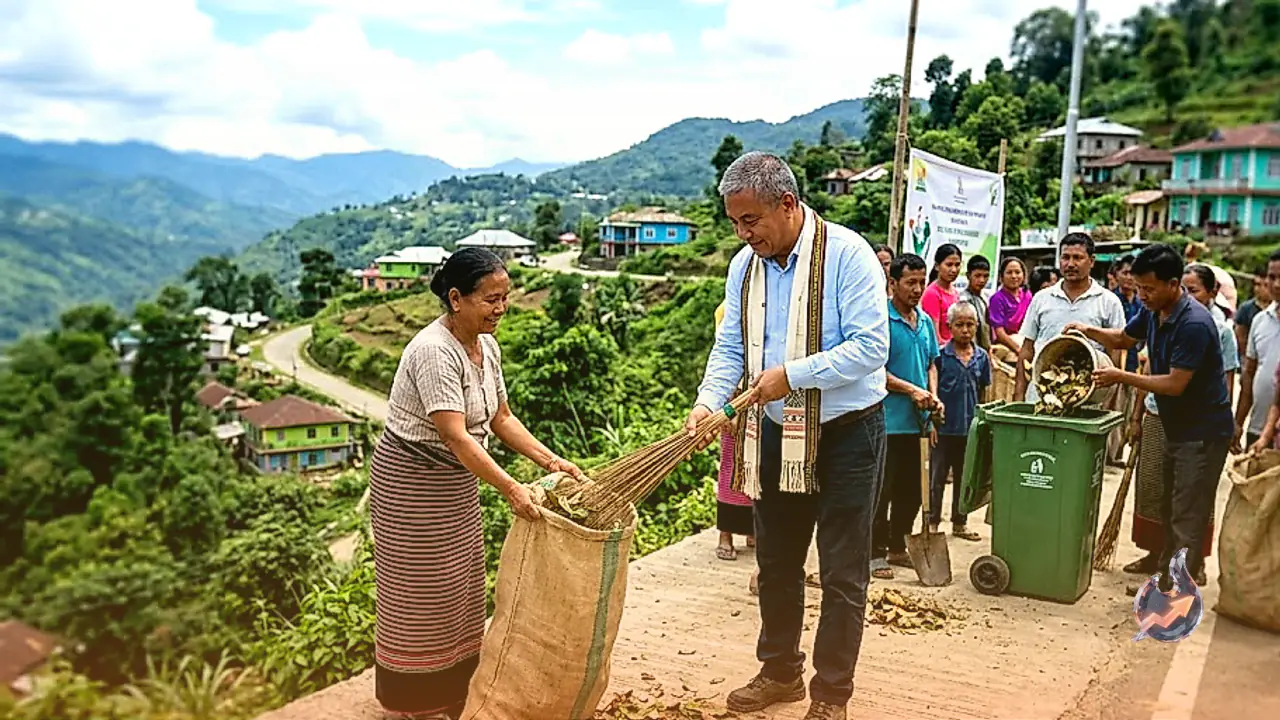

Manipur Chief Minister Y Khemchand Singh launched two key waste management and sanitation initiatives during an event held at the Chief Minister's Secretariat in Imphal on Thursday. The campaigns, titled 'Swachhata Hi Seva, 2026' and the 'Clean Himalayan Hill Cities Initiative', aim to address environmental challenges, upgrade infrastructure, and foster active public participation across the state.
Fostering Community Participation and Behavioral Change
During the official launch, Chief Minister Y Khemchand Singh stressed the importance of public involvement. He urged local residents, Urban Local Bodies (ULBs), and various community stakeholders to play an active part in ensuring the success of these programs. In a statement shared on his official handle on X, Singh emphasized that the campaigns will encourage a "Whole of Society" approach. This strategy is designed to drive positive behavioral changes among citizens and introduce scientific methods for waste management. It is particularly targeted at addressing the growing challenges of solid waste and sanitation in the ecologically vulnerable hill regions of the state.
Strengthening Infrastructure and Capacity Building
The two programs, coordinated by the Manipur Urban Development Agency (MUDA), are designed to offer comprehensive support to local administrative bodies. In addition to creating awareness and promoting behavioral adjustments, these initiatives will focus on improving the existing waste-management infrastructure in selected locations. They will also provide crucial institutional backing, training sessions, and resources to ULBs and other organizations working in sanitation and community development. By doing so, the state hopes to establish long-term, sustainable waste solutions.
Details of the Twin Campaigns
According to officials, 'Swachhata Hi Seva, 2026' is scheduled to run from September 17 to October 2. A major focus of this campaign will be the four-way segregation of waste directly at its source. This will help simplify disposal processes, promote solid waste management guidelines, and encourage the conversion of waste into valuable resources through "waste-to-wealth" practices.
Parallelly, the Clean Himalayan Hill Cities Initiative will span a 100-day period. This campaign will concentrate heavily on building institutional capacity, implementing Behavior Change Communication (BCC) strategies, conserving heritage and iconic sites, and fortifying the overall waste management network in the region.