
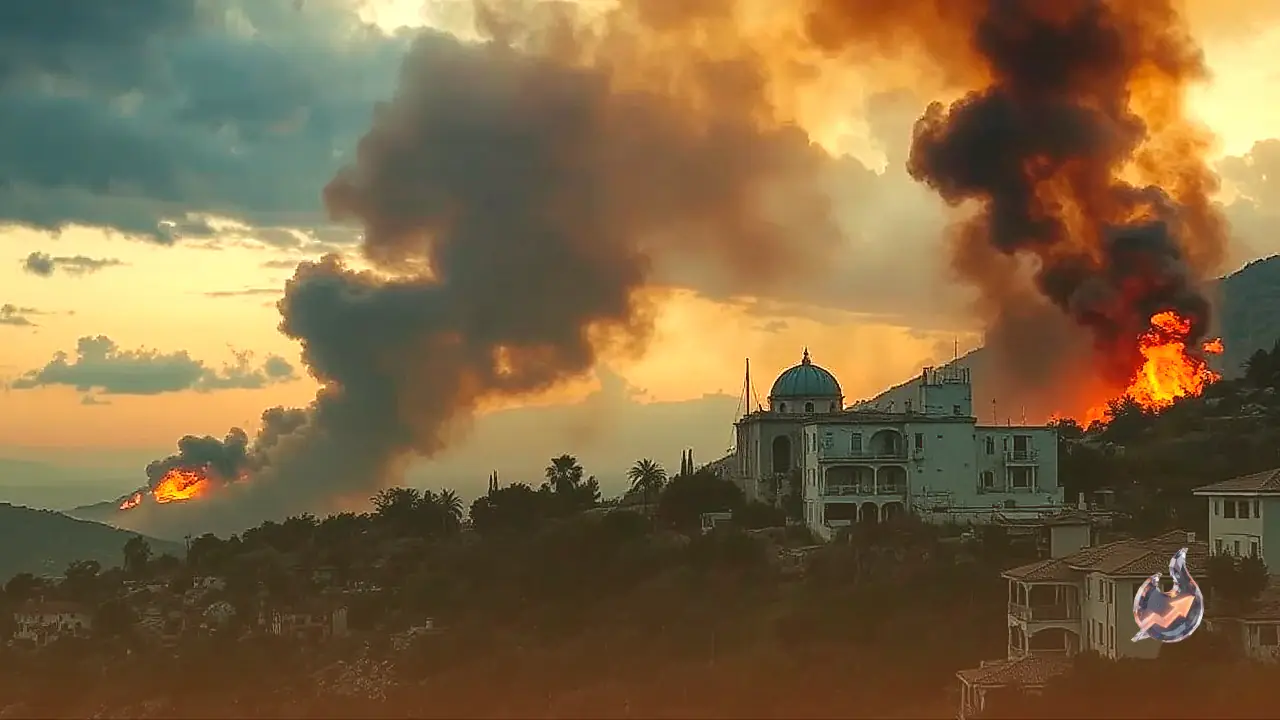






















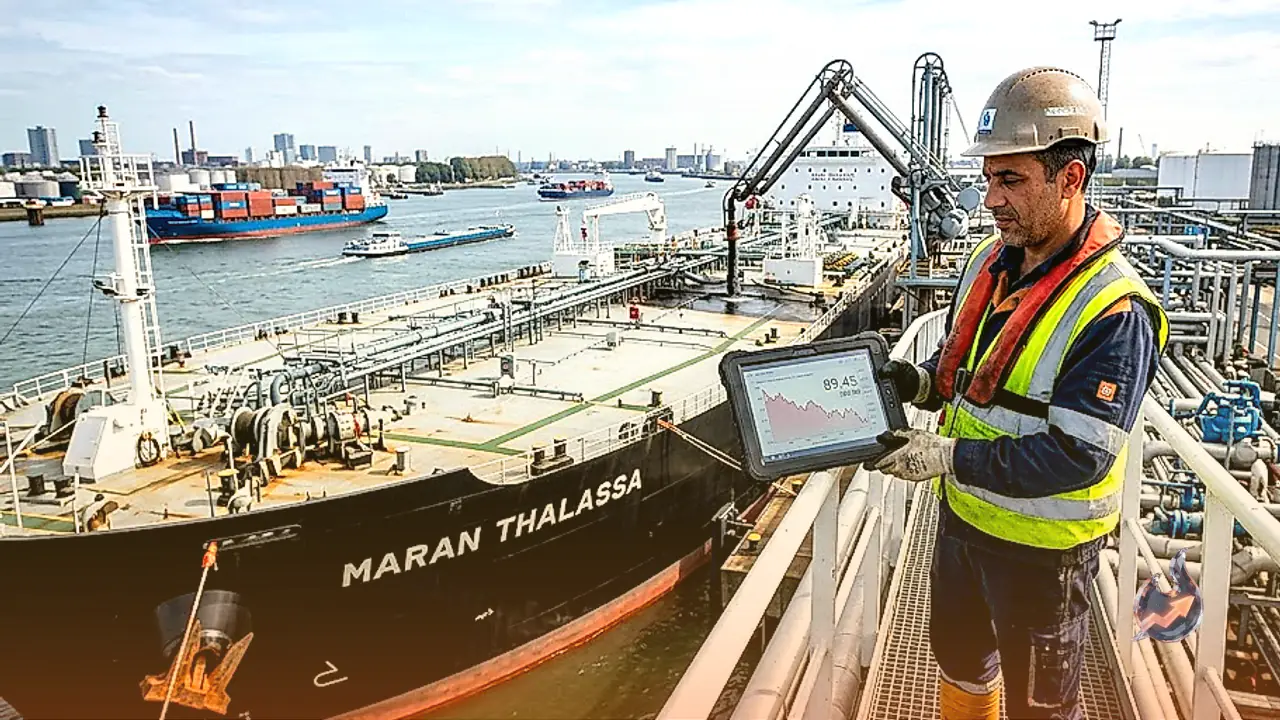

Global energy trading experienced notable volatility as Brent crude benchmarks retreated sharply, temporarily breaking beneath the threshold of US$90/bbl. This shift followed a pause in direct military strikes between Washington and Tehran, providing financial markets with an initial sign of geopolitical cooling. However, underlying market tightness persists due to continuing logistical bottlenecks across European shipping corridors and persistent Russian export suspensions.
Crucial Price Swings and Market Dynamics
Commodity strategists Warren Patterson and Ewa Manthey from ING noted that while crude values retreated beneath US$90/bbl, fundamental constraints remain active. Speculative activity in energy derivatives has gathered momentum, reflected in higher net long positions across crude oil and ICE gasoil contracts. This positioning was largely driven by traders covering short exposures alongside structural deficits in middle distillate supplies.
Speaking on the operational environment, the analysts remarked, "While this is the first tangible signal of de-escalation, the reasons behind it are less clear." Washington has offered limited clarification regarding the diplomatic rationale behind the pause, leaving institutional investors cautious about committing to sustained downside projections.
Shipping Risks in the Strait of Hormuz and Black Sea Disruptions
Despite the momentary halt in direct attacks, maritime logistics through critical energy chokepoints have not shown immediate recovery. Commercial vessel transits through the Strait of Hormuz remain subdued, as shipping firms wait for verified security guarantees. Market observers emphasize that sustained price stabilization will depend heavily on whether maritime operators can navigate the strait without facing missile or drone threats.
Meanwhile, physical supply bottlenecks are compounding across Eastern European terminals. Port operations at Russia's Sheskharis facility located in Novorossiysk have remained suspended since July 21. This facility had been handling approximately 650k b/d of crude shipments earlier this year. Adding to these supply pressures, operations at the nearby CPC terminal remain halted, pulling another 1.7m b/d of crude flow out of global circulation. These operational halts follow a series of targeted Ukrainian drone strikes against Russian energy infrastructure.
Foreign Exchange Reaction: Pound and Euro Advance
The easing of Middle East hostilities alongside broader greenback weakness triggered notable movements across foreign exchange markets on Monday morning. The US dollar faced downward pressure across major currency pairs, opening doors for gains in European currencies.
- GBP/USD Performance: Sterling extended its rebound from last week's three-week low, trading near 1.3350 during European market hours. This movement marks two consecutive sessions of gains for the currency pair as market participants prepare for upcoming interest rate updates from the Federal Reserve and the Bank of England.
- EUR/USD Strength: The euro maintained steady upward momentum, trading close to the 1.1400 mark. Currency traders attributed the euro's firm footing to renewed investor optimism regarding potential diplomatic channels aimed at concluding the five-month-old US-Iran conflict.
As central banks prepare their upcoming monetary policy announcements, currency traders and energy participants remain focused on both diplomatic negotiations in the Middle East and physical supply bottlenecks across the Black Sea region.