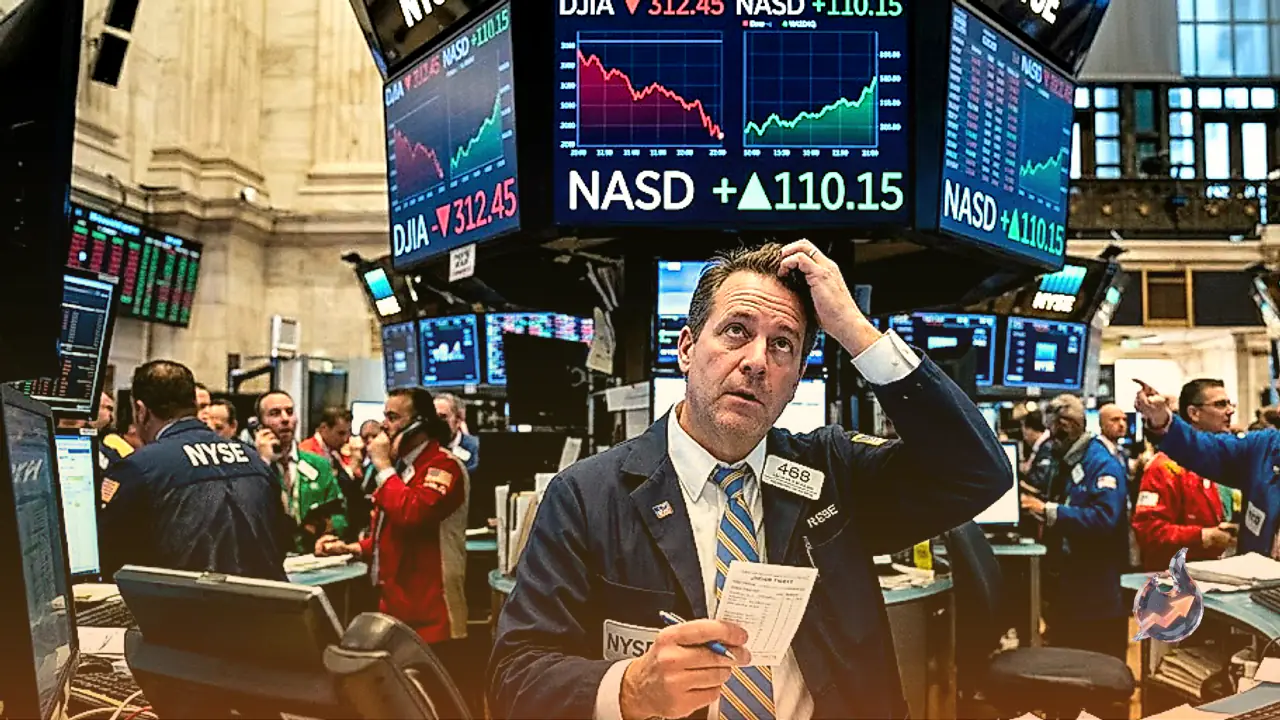

























Mounting inflation risks driven by crude oil price shocks are rattling global markets, yet the Bank of Canada appears poised to maintain a cautious stance. Ethan Currie of the National Bank of Canada points out that lingering domestic economic slack combined with ongoing trade uncertainties will likely persuade the Canadian central bank to leave interest rates unchanged at its upcoming October policy gathering. While financial market participants have progressively brought forward their tightening timelines, with overnight index swap pricing reflecting roughly four rate increases from the Bank of Canada by June 2026, Currie notes that this projected trajectory could be overly aggressive relative to real economic fundamentals. Policymakers are actively prioritizing efforts to curtail second-round inflationary impacts, yet the ultimate speed and calendar for future rate moves will depend strictly on the balance between growth prospects and emerging inflation risks.
Domestic Momentum Pressures and Central Bank Tightening Paths
Addressing the domestic landscape, Ethan Currie observed that although projected timelines for policy normalization have moved up, immediate actions remain constrained. Currie stated that while tightening has been pulled closer on the expected timeline, domestic conditions still point toward the Bank of Canada remaining sidelined in October as economic momentum is threatened and slack remains. Ever since the bond market selloff witnessed across rates in March, an overarching tightening bias has persisted across most developed market economies, though its implementation remains distinctly uneven. Within Canada, domestic economic slack alongside trade frictions had steadily deferred market expectations for rate hikes, with the notable exception of a temporary shift following the hawkish tone struck by Macklem in his September press briefing. For institutions that have not yet implemented rate hikes, the strategic focus remains centered on addressing elevated inflation pressures, and financial markets have responded by pricing in eventual monetary adjustments. Derivative contracts tracking overnight index swaps currently imply that traders anticipate approximately four hikes from the Bank of Canada through June 2026.
Foreign Exchange Dynamics and Currency Moves in Asian Trading
Beyond the Canadian policy environment, international currency and financial markets witnessed notable realignments. During Tuesday's Asian trading window, the AUD/USD currency pair pushed above 0.7100, buoyed by hawkish commentary delivered by Reserve Bank of Australia Assistant Governor Sarah Hunter alongside Governor Michele Bullock. Nevertheless, ongoing escalation in Middle Eastern geopolitical conflicts combined with the persistent hawkish outlook maintained by the Federal Reserve provided resilient upward momentum for the US Dollar, which threatens to restrict further gains for the Australian currency.
Simultaneously, the USD/JPY pair registered modest upward movement, trading around 157.50 during Asian market hours on Tuesday. While apprehensions regarding direct currency market interventions by authorities helped cushion losses for the Japanese Yen, the Bank of Japan's comparatively dovish rate increase to a 31-year high continued to leave Yen buyers in a vulnerable posture. Ongoing geopolitical friction in the Middle East and the Federal Reserve's hawkish policy orientation reinforced the greenback's underlying strength, providing ongoing support to the pair.
Bank of Japan Delivers Rate Increase While Gold Extends Losses
Marking a critical step in the gradual normalization of its long-standing monetary stance, the Bank of Japan advanced its short-term interest rate target from 1.00% to 1.25%. The monetary policy board approved the move by a 7-2 vote margin, an outcome that matched the consensus expectations held across financial markets for several weeks. This rate adjustment established borrowing costs at a fresh 31-year peak.
In the commodities space, precious metals saw persistent downward pressure as spot gold declined for a second consecutive trading session. The yellow metal retreated toward the $4,300 per troy ounce threshold on Tuesday. This retracement in bullion prices was primarily precipitated by renewed buying appetites for the US Dollar, mixed movements in US Treasury yields, and broad macro uncertainties stemming from geopolitical conflicts.
High-Stakes Washington Summit Between Donald Trump and Xi Jinping
Market participants worldwide are closely monitoring Washington as diplomatic developments take center stage later this week. US President Donald Trump and Chinese President Xi Jinping are scheduled to convene on Thursday for a critical bilateral summit. The outcome of their discussions is seen as pivotal in establishing whether the two largest economies on the globe can successfully prolong their trade truce or find themselves descending into an extended phase of economic friction and geopolitical unpredictability.