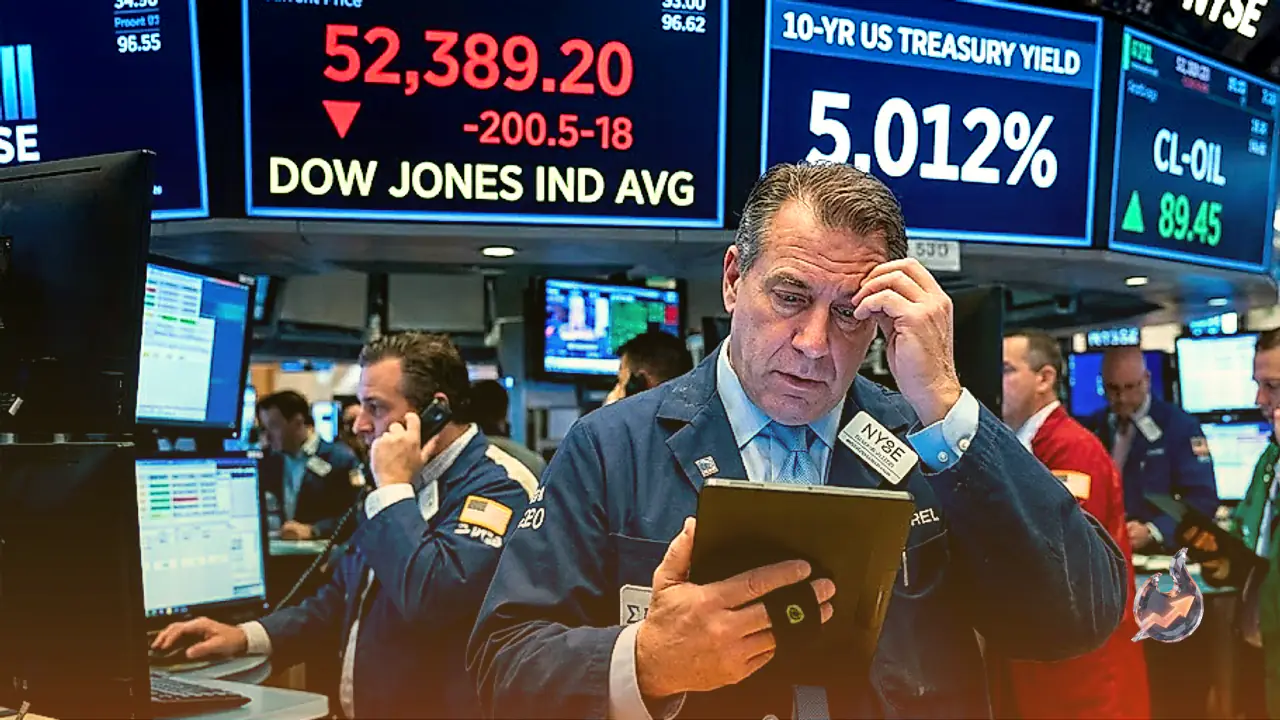

























The euro remained under persistent selling pressure against the US dollar on Tuesday, drifting lower toward 1.1535 despite intensifying warnings from European Central Bank policymakers regarding upside inflation risks. Surging energy expenses have complicated the monetary policy landscape across the Eurozone, prompting officials to advocate for further policy tightening. At the same time, the broader currency market continues to favor the greenback, supported by near-certain expectations that the US Federal Reserve will deliver another interest rate hike at its policy conclusion on Wednesday.
Mounting Rate Hike Projections for the ECB
Financial market institutions increasingly anticipate that the European Central Bank will deliver another interest rate increase before the current year concludes. Major investment institutions including Goldman Sachs, Citi, and Barclays expect the central bank to lift borrowing costs once more in December. Market pricing derived from LSEG data reveals that traders are assigning a 94% probability to a 25 basis point rate hike at the upcoming December gathering. Beyond this year, Citi projects that monetary tightening will extend further, anticipating an additional rate hike in March 2027. Statements emerging after recent policy discussions indicate growing unease among central bankers regarding persistent price pressures.
Policymakers Reinforce Hawkish Stance
Analysis from Scotiabank observed that hawkish rhetoric from European Central Bank representatives appears to be intensifying as energy costs climb. Executive Board member Isabel Schnabel characterized the latest moves in energy prices as quite concerning, comments that have strengthened market convictions around a more decisive policy response. Adding to these concerns, Martins Kazaks, governor of Latvia's central bank and an ECB governing council member, remarked that rising fuel expenses resulting from the Iran conflict are beginning to filter into wages and broader consumer prices, asserting that the rationale for further policy tightening is actively building.
Technical Indicators and Dollar Index Strength
The US Dollar Index, which gauges the greenback against a basket of six major global currencies, advanced 0.18% to trade near 99.64. In technical terms, the EUR/USD pair trades lower near 1.1535 and remains capped beneath its 20-day Exponential Moving Average located at 1.1594, keeping short-term momentum biased to the downside. The Relative Strength Index hovers near 41, settling in neutral-to-soft territory to reflect consistent downside pressure that has not yet reached oversold extremes. On the upside, initial resistance is anchored at the 20-day EMA near 1.1594, where a daily close above this threshold would be required to alleviate bearish sentiment and target the September 9 high of 1.1654. Conversely, ongoing weakness threatens to push the pair toward the psychological threshold of 1.1500.
Broader Forex Dynamics and Commodity Movements
Cross-market sentiment remains dictated by sovereign bond yields and anticipation surrounding the Federal Reserve meeting. During Asian trading hours on Tuesday, the AUD/USD pair held on the back foot below 0.7150, trading close to the three-week low established in the previous session. Elevated US Treasury yields, underpinned by persistent inflation risks from oil and expectations of Fed action, bolstered the dollar while weighing on the Australian currency alongside mixed economic activity numbers out of China for August.
Meanwhile, the Japanese currency experienced persistent pressure against the greenback. While USD/JPY was earlier pushing toward the 155.00 mark, live closing data positions the pair at 156.85, up 0.46% from the prior close of 156.13. Current live technical metrics show the 14-period RSI at 49, with the 20-day EMA at 156.47, 50-day EMA at 158.10, and 200-day EMA at 157.62, showing a golden cross configuration. Although higher US bond yields support the pair, expectations of eventual normalization from the Bank of Japan could influence long-term trajectory. In precious metals, gold struggled to sustain early Asian gains, remaining depressed below $4,300 per ounce near its recent one-month low as investors moved to the sidelines ahead of the FOMC policy gathering.